Key Factors Affecting Your Tree Removal Service Duration
Homeowners often wonder how much time a professional tree removal service requires when scheduling property maintenance or addressing urgent landscape hazards. Understanding the timeframe necessary for safely felling or disassembling a tree allows property owners to plan their day, clear driveway space, and prepare surrounding outdoor areas appropriately. While simple jobs in open spaces wrap up rapidly, complex projects require extensive coordination, specialized machinery, and careful rigging to protect nearby property. According to This Old House, depending on the size and type of tree, tree removal can take as little as 15 minutes or as long as a few hours. By learning the primary elements that influence project timelines, property owners can gain valuable perspective on what happens during a professional arboricultural project and set realistic expectations for work completed on their property.
Evaluating Tree Size and Canopy Density
The physical dimensions of a tree represent primary factors determining how long work will take on site. Taller specimens with thick trunks and massive branch systems demand far more time to disassemble safely than smaller ornamental trees or young saplings. Massive hardwood trees feature dense wood structures that require repetitive cutting, frequent chainsaw maintenance, and controlled lowering of heavy timber sections. An expansive canopy with widespread branching also increases the total volume of limbs requiring individual attention before crews can address the main trunk structure.
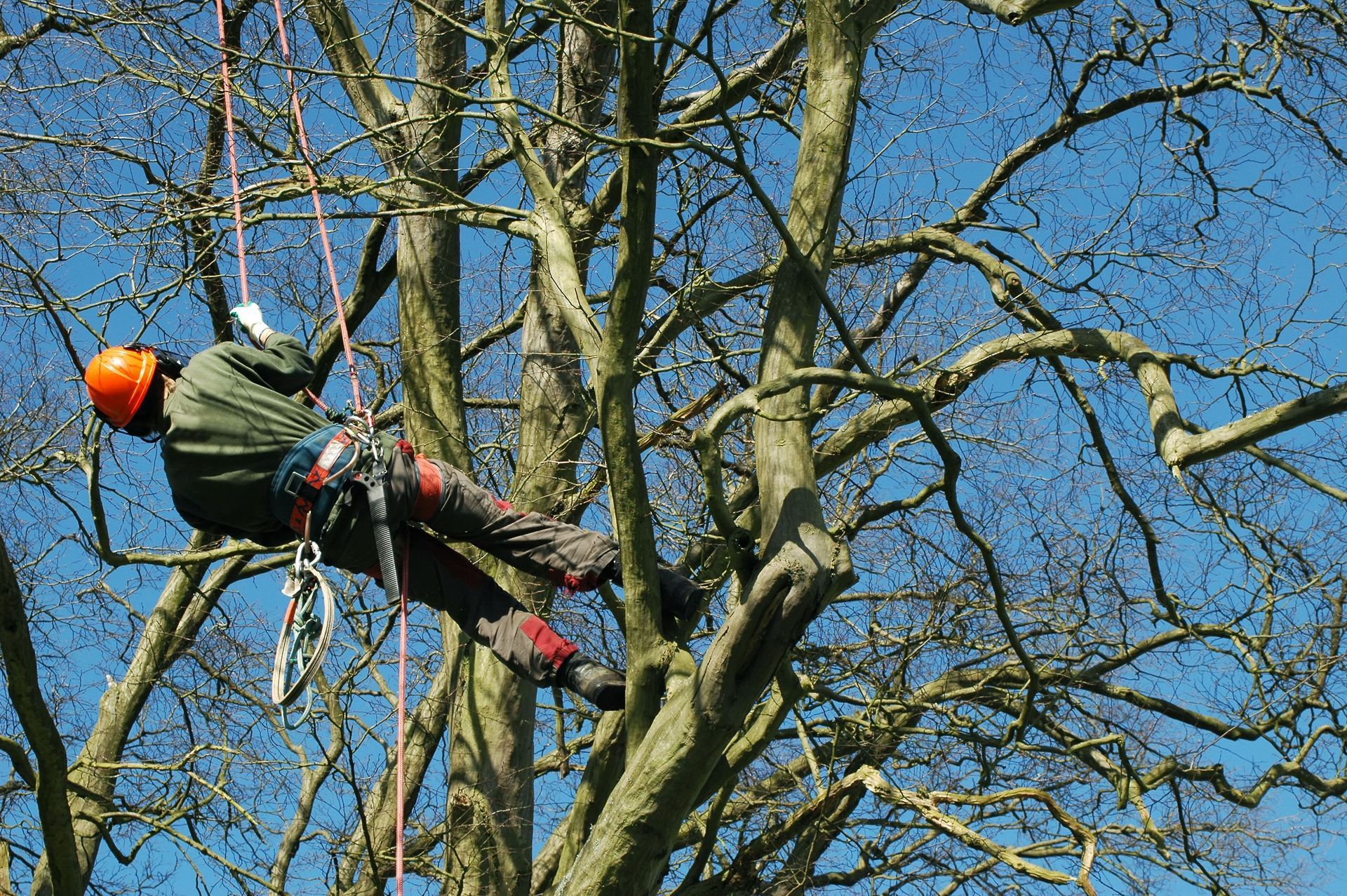
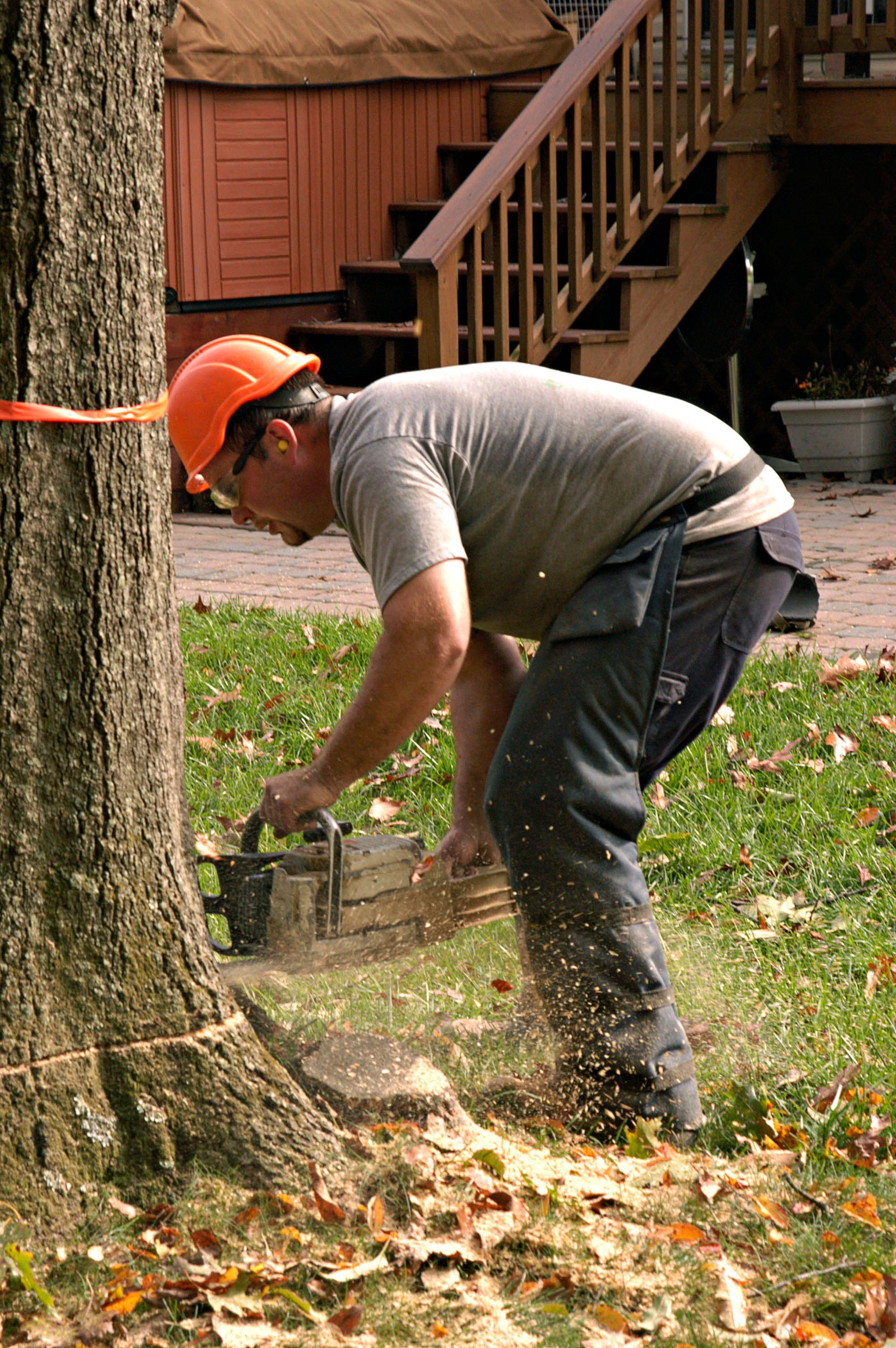
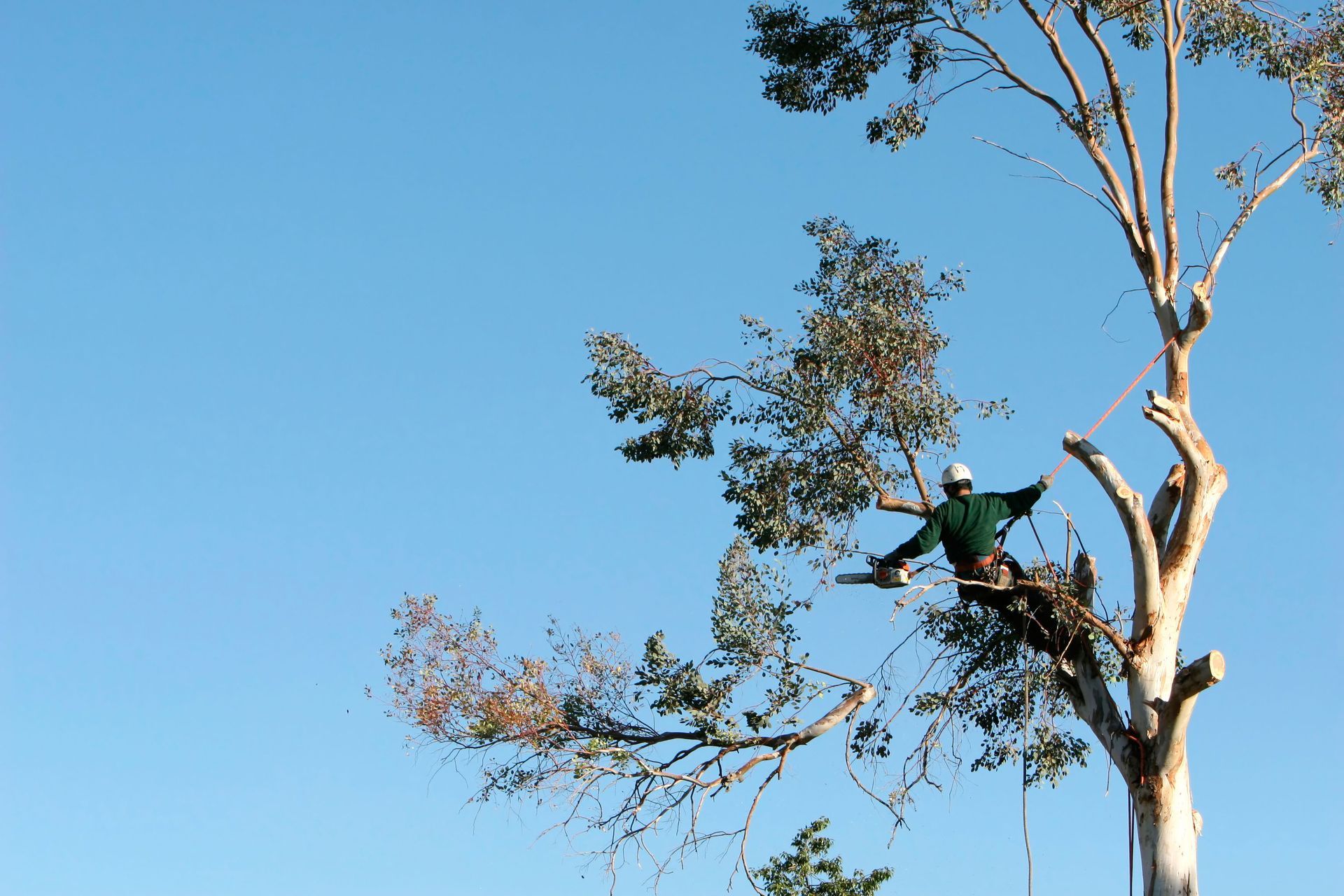
When a professional tree removal service addresses giant trees, workers cannot simply cut at ground level and allow the entire structure to collapse freely across the yard. Instead, arborists must climb high into the upper canopy or utilize elevated platform lifts to remove the tree section by section from top to bottom. Each limb must be carefully evaluated for weight, balance, and falling trajectory before making precise cuts. Naturally, disassembling a massive oak, maple, or pine through careful top-down dismantling adds substantial operational time compared to removing slender trees in wide open spaces.
Assessing Site Accessibility and Location Constraints
The specific position of a tree within a residential property significantly dictates the overall operational timeline. Trees situated in spacious open front yards allow direct placement of heavy machinery, including aerial bucket trucks, heavy cranes, and industrial wood chippers. Immediate machine access enables workers to maneuver freely, attach rigging hardware quickly, and transport heavy timber directly to support vehicles without manual carrying. Easy accessibility speeds up workflow considerably and minimizes physical exertion required by ground personnel throughout the day.
Conversely, trees located in tight backyard spaces, behind narrow side gates, or on steep slopes introduce logistical obstacles that prolong the timeline. When heavy machinery cannot cross delicate turf or fit through narrow property lines, workers must transport heavy timber manually or utilize specialized portable rigging systems. Furthermore, working near valuable residential structures, glass windows, swimming pools, ornamental fences, or overhead power lines demands extreme caution. Protecting nearby property requires secure rigging and slow lowering of every cut section, extending the overall duration of the tree removal service.
Analyzing Structural Health and Tree Decay
The internal physical condition of a tree plays a critical role in establishing safe work protocols and operational timing. Healthy trees with sound wood structures offer predictable anchor points for climbing arborists and standard rigging equipment. Workers can safely ascend healthy trunks, attach lowering lines, and maneuver within upper branches without fear of sudden structural failure. Predictable structural integrity allows the tree removal service crew to maintain a steady, efficient, and continuous operational pace throughout the duration of the project.
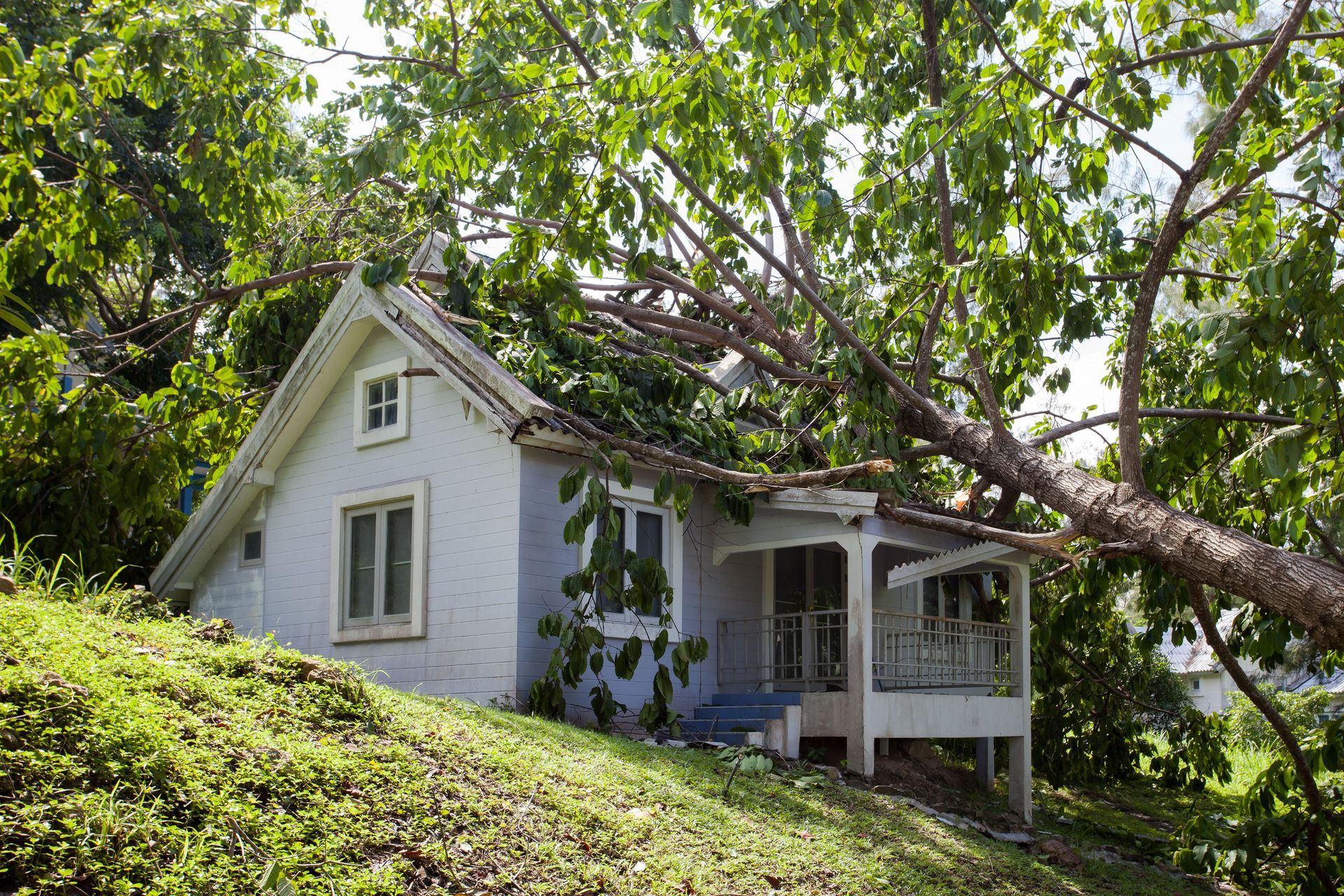
Severe structural decay, hollow trunks, fungal infestations, or extensive storm damage introduce hazardous variables that force arborists to work much slower. Compromised wood cannot reliably support the weight of a climbing worker or heavy rigging hardware, rendering standard climbing techniques unsafe. In these high-risk scenarios, crews must set up specialized cranes or advanced bucket trucks to support personnel and lift heavy sections safely. Carefully securing unstable limbs and executing cautious cuts around decayed wood adds necessary time to ensure full safety for workers and property.
Considering Weather Conditions and Environmental Factors
Environmental conditions encountered on the scheduled work day directly impact operational efficiency and safety measures. Mild weather with clear skies and calm breezes provides optimal conditions for efficient outdoor tree work. Ground workers can move easily across dry soil, climbers maintain secure footing on dry bark, and equipment operators enjoy clear visibility. Ideal weather conditions allow a professional tree removal service to execute work plans smoothly without unexpected pauses, equipment delays, or environmental interruptions.
Unfavorable weather such as heavy precipitation, strong wind gusts, freezing temperatures, or saturated muddy ground severely alters project timelines. High winds make handling large branches aloft extremely hazardous, requiring workers to pause until gusts subside or execute smaller, more cautious cuts. Saturated soil requires laying protective ground mats to prevent heavy machinery from sinking or damaging lawns, which adds setup time. Extreme winter cold or slippery freezing rain slows down physical movement and equipment operations, extending the time necessary to complete the job safely.
Utilizing Specialized Equipment and Crew Expertise
The selection of tools and heavy machinery brought to the job site strongly affects overall task completion times. Advanced equipment like mechanized cranes, high-reach aerial platforms, automated log loaders, and high-capacity chippers streamlines labor-intensive processes. A crane can lift massive upper sections of a tree safely over rooftops in moments, bypassing the need for manual rope rigging. Modern machinery significantly reduces physical handling, enabling a tree removal service crew to dismantle large trees in a fraction of traditional timeframes.
Equally important is the skill level, coordination, and size of the professional crew performing the work. Experienced arborists with specialized training perform cuts with speed and precision, communicate effectively using hand signals or radio helmet headsets, and anticipate workflow needs seamlessly. A well-coordinated team works in synchronized fashion, with ground personnel clearing debris immediately as climbers lower branch sections. High crew competence eliminates wasted motion and keeps the project moving forward efficiently from arrival to completion.
Managing Debris Processing and Yard Cleanup
Cutting down the tree structure itself represents only a portion of the complete operational timeline. Once branches and trunk sections reach the ground, crews must process massive volumes of organic debris. Heavy logs must be cut into manageable lengths for loading onto transport trailers or split for specialized disposal. Smaller limbs and dense foliage must be fed continuously into wood chippers to convert bulky brush into compact wood chips for easy transport away from the property.
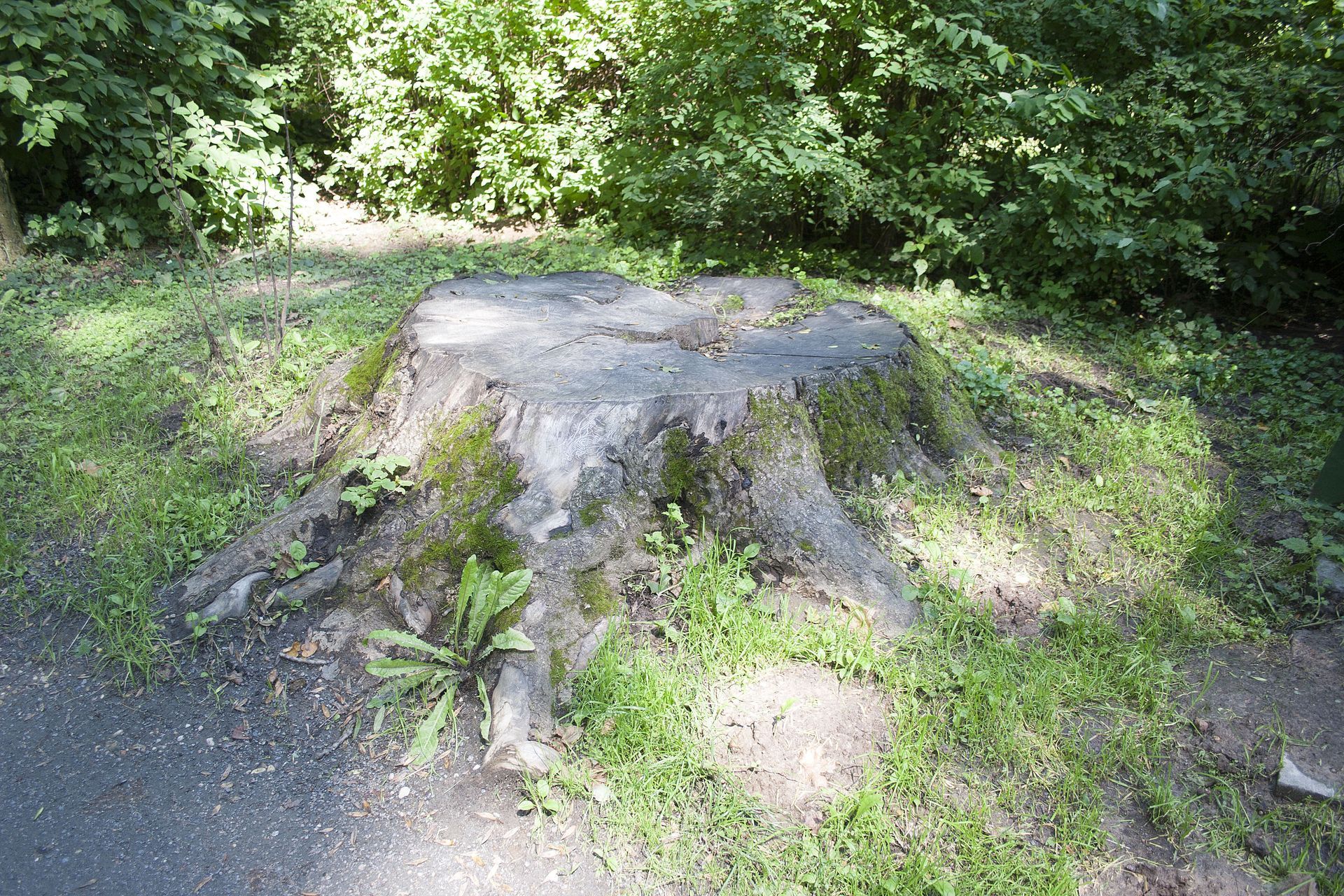
Comprehensive site cleanup requires thorough raking, sweeping, and blowing of sawdust, leaves, and small twigs from lawns, driveways, walkways, and surrounding garden beds. If the homeowner requests complete stump elimination, additional specialized grinding machinery must be maneuvered into place to grind the remaining wood below ground level. Thorough debris handling and final yard restoration ensure the property remains pristine, though processing dense foliage and removing heavy wood naturally adds time to the tree removal service project.
Understanding the diverse elements that shape project timelines helps property owners appreciate the skill, careful planning, and safety protocols involved in professional arboriculture. From initial property assessment and safety setup to delicate top-down branch rigging, heavy wood processing, and meticulous yard restoration, every step contributes to a successful outcome. Prioritizing safety over speed guarantees that the property remains protected while hazardous or unwanted trees are cleared efficiently. When planning your next landscape maintenance project or addressing hazardous trees on your property, rely on the experienced team at Dillon Tree Service.
Share On: