Major Property Risks Addressed by a Tree Removal Company
Trees can add beauty, shade, privacy, and character to residential and commercial properties, but they can also create serious risks when they become damaged, diseased, unstable, or poorly positioned. While routine pruning and maintenance can address many concerns, some trees may reach a point where removal becomes the safest option. Recognizing these situations early can help property owners reduce the potential for damage to structures, vehicles, utility lines, and outdoor spaces. A tree removal company can evaluate concerning trees and determine whether removal is appropriate based on their condition, location, and surrounding hazards. Property owners should also pay attention to visible warning signs rather than waiting for a weakened tree to fail unexpectedly. Understanding the major risks associated with hazardous trees can make it easier to plan maintenance and protect valuable property.
Identifying Structural Tree Hazards
A tree's structural condition plays an important role in determining whether it presents a risk to the surrounding property. Cracks, cavities, split trunks, hanging branches, and large areas of decay can indicate that a tree has been compromised. According to University of Maryland, tree removal may be worth considering when approximately one-third of a tree's interior has become hollow or rotten. These internal problems may not always be obvious from the ground, which makes professional evaluation valuable when serious concerns arise. A tree removal company can inspect visible signs of weakness and consider how the tree's condition affects nearby structures. Large trees with significant defects may become especially concerning when they are located beside homes, garages, driveways, or other frequently used areas. Addressing structural hazards before a major failure occurs can help property owners take a more proactive approach to landscape safety. Regular inspections can also help identify developing problems before they become more difficult to manage.
Managing Falling Branch Risks
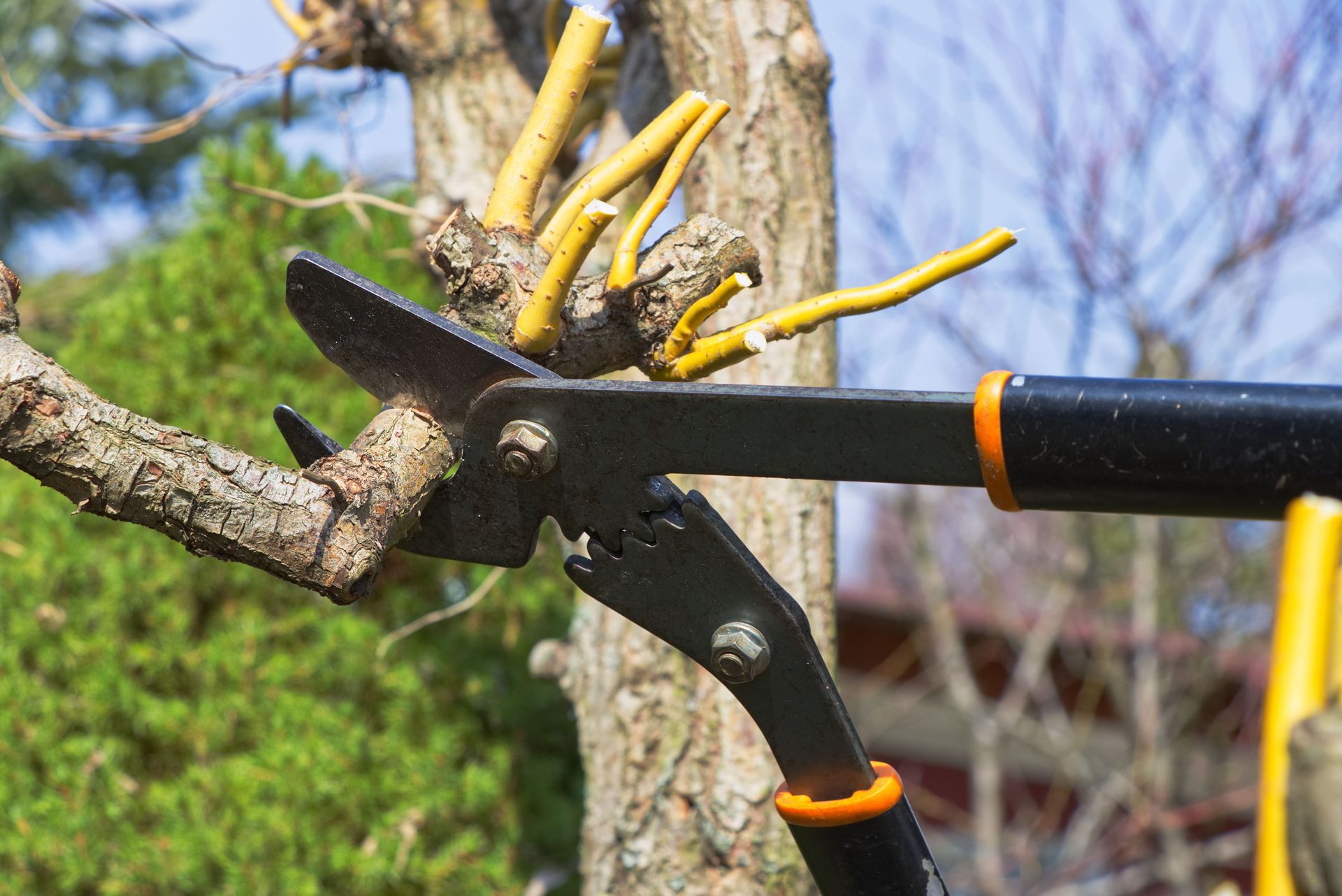
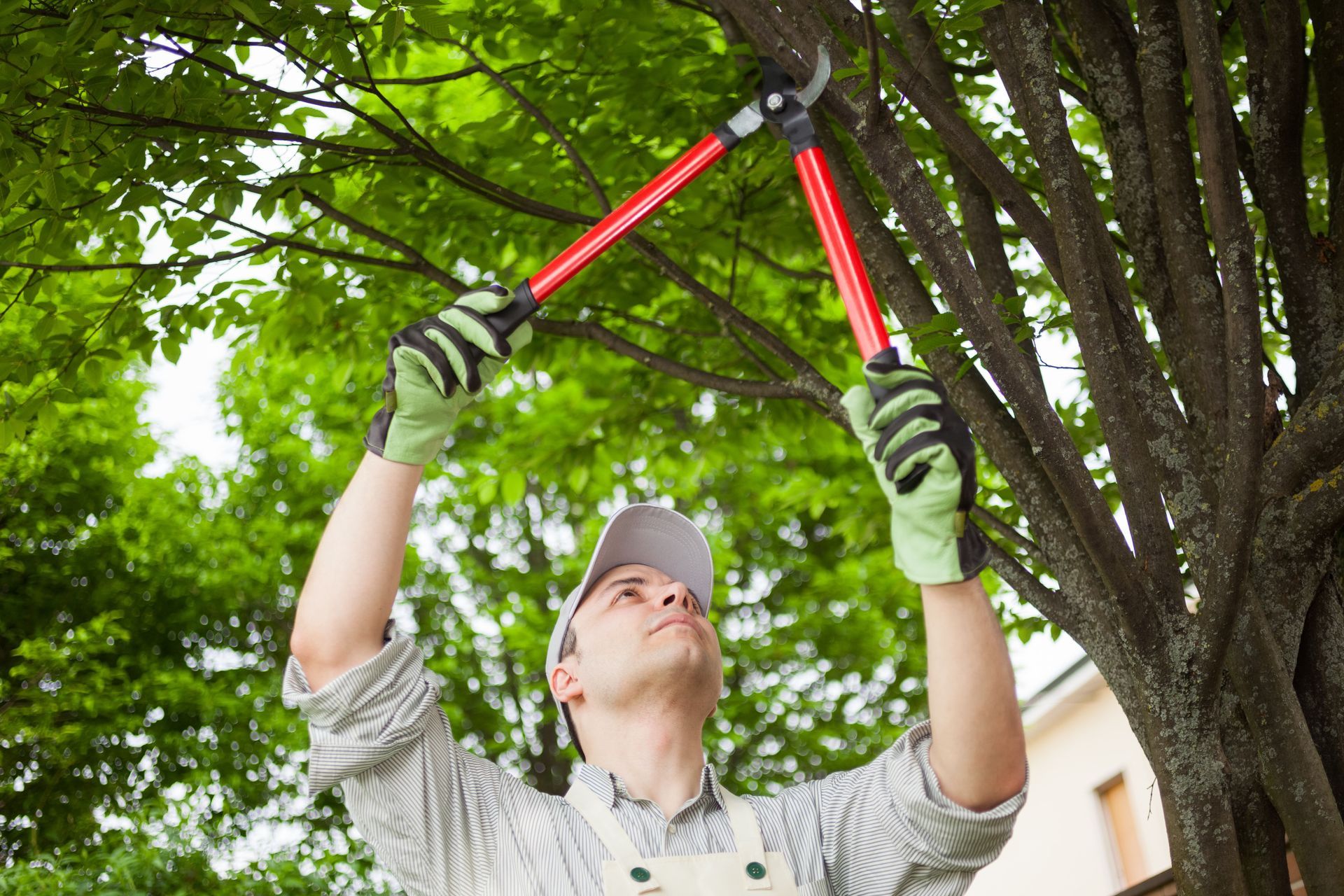
Branches can become hazardous when they are dead, diseased, cracked, or weakened by storms and environmental stress. Even a single large branch can cause significant property damage if it falls onto a roof, vehicle, fence, or outdoor structure. Trees with dense canopies may also conceal damaged limbs, making it difficult for property owners to recognize every potential hazard. A tree removal company can assess whether individual branches can be safely pruned or whether the overall condition of the tree warrants removal. This distinction is important because removing a few damaged limbs may be sufficient in some situations, while extensive deterioration can create broader concerns. Property owners should inspect trees after severe weather for broken limbs, exposed wood, hanging branches, and other visible changes. Prompt attention can reduce the amount of time that a hazardous branch remains over an occupied or valuable area. Keeping trees properly maintained also supports safer use of yards, walkways, parking areas, and outdoor gathering spaces.
Protecting Homes and Buildings
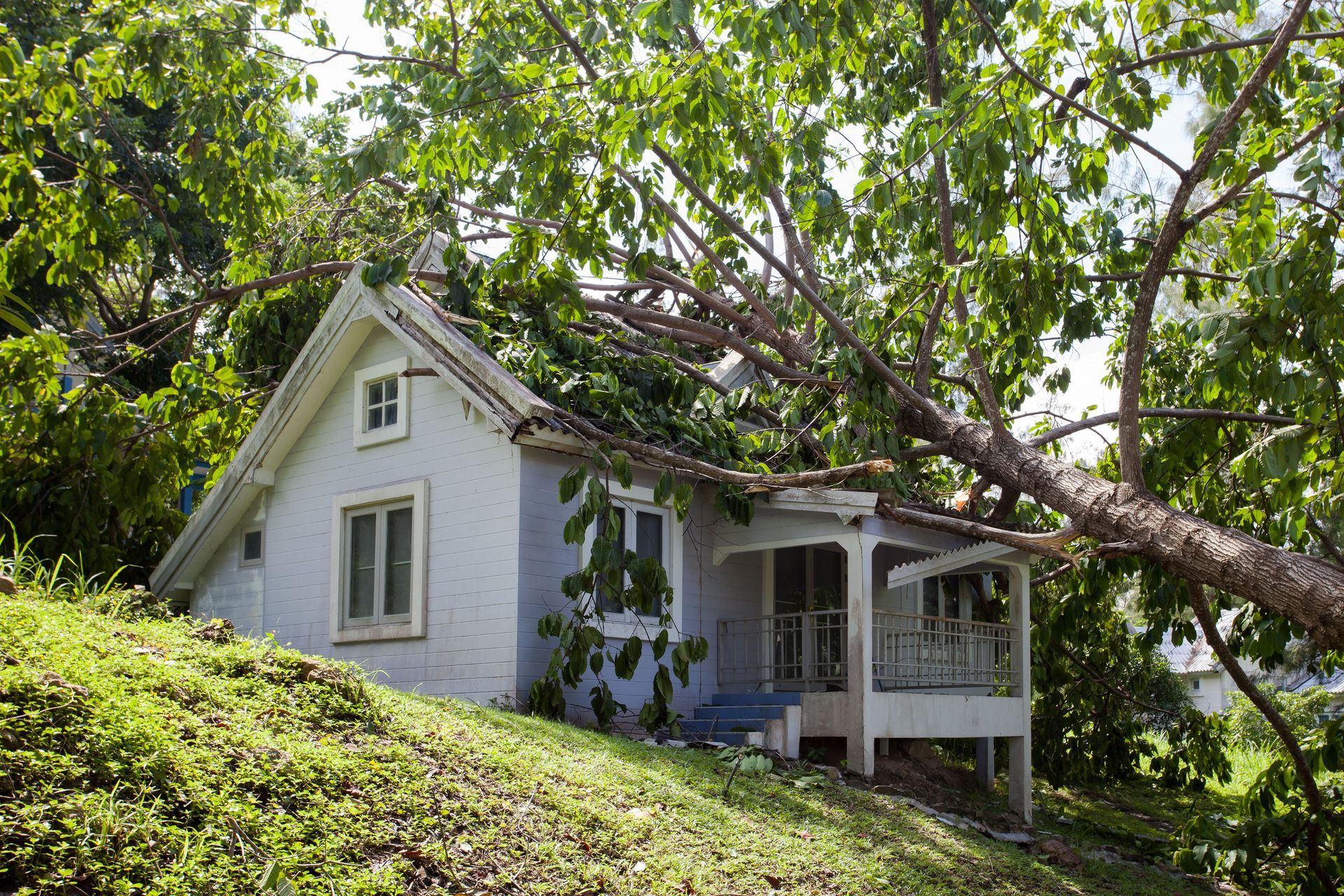
Trees positioned close to buildings can create several property concerns when roots, trunks, or branches become problematic. Large branches may extend over roofs, while unstable trunks can pose a direct threat to exterior walls, windows, and other structural features. Roots can also interact with foundations, walkways, drainage features, and underground infrastructure depending on the tree and site conditions. When a tree becomes severely compromised, its proximity to a building can increase the consequences of failure. Professional evaluation can help determine whether pruning, monitoring, or removal is the appropriate response. A tree removal company can also consider the tree's lean, canopy distribution, trunk condition, and surrounding environment during an assessment. Removing a hazardous tree from a particularly vulnerable location may help reduce potential conflicts between vegetation and structures. Property owners can then use the cleared area for safer landscaping or other planned improvements.
Reducing Storm-Related Property Damage
Severe weather can expose weaknesses that may otherwise go unnoticed in established trees. High winds, heavy rain, ice, and lightning can place substantial stress on branches, trunks, and root systems. Trees that already have decay, structural defects, or damaged limbs may be less capable of withstanding these conditions. A tree removal company can identify trees that appear particularly vulnerable before seasonal storms create additional problems. This type of assessment is especially relevant for trees growing near homes, power lines, garages, sheds, and parking areas. After a major storm, property owners should look for newly exposed roots, leaning trunks, broken branches, and fresh cracks in the wood. These changes can indicate that a tree's stability has been affected even if it remains standing. Addressing storm-damaged trees promptly can help limit additional risks while making the property easier to maintain.
Addressing Diseased or Declining Trees
Disease and decay can gradually weaken trees and affect their ability to remain structurally sound. Some problems begin internally, meaning a tree may appear healthy even while significant deterioration is occurring inside the trunk or major limbs. Other warning signs can include unusual leaf loss, dead branches, fungal growth, discolored bark, cavities, and areas of soft or decaying wood. When these symptoms become extensive, property owners may need professional guidance to determine whether the tree can be preserved. A tree removal company can examine the tree's condition and surrounding environment before recommending an appropriate course of action. Removal may sometimes be considered when deterioration creates an unacceptable hazard or when the tree has reached the end of its useful life. Prompt evaluation can also help prevent a declining tree from becoming a larger concern during severe weather. Maintaining healthy trees elsewhere on the property can further support a balanced and manageable landscape.
Preventing Utility Line Conflicts
Trees growing near utility lines require careful attention because branches can interfere with overhead infrastructure and create safety concerns. Fast-growing limbs may eventually reach electrical, communication, or other utility lines even when the tree was originally planted at a reasonable distance. Storm damage can make the situation more urgent by breaking branches into or across nearby lines. Property owners should avoid attempting to cut branches that are touching or dangerously close to electrical lines. A tree removal company can assess vegetation-related hazards and determine what type of professional service may be appropriate. In certain situations, utility providers may also need to be involved because specialized procedures can apply around energized equipment. Keeping vegetation properly managed can reduce conflicts while preserving safe access around utility infrastructure. Planning tree placement and maintenance carefully can also help prevent similar issues from developing with newly planted trees.
Protecting Driveways and Outdoor Areas
Trees can affect more than buildings and utility systems, as their branches and roots may also create problems around driveways, patios, sidewalks, fences, and other outdoor features. Falling limbs can damage vehicles or block access, while aggressive roots may contribute to uneven surfaces or interfere with hardscaping. A declining tree located beside a driveway can become particularly concerning if its canopy extends over parked vehicles or frequently used pathways. Professional assessment can help determine whether maintenance can address the problem or whether more extensive action is necessary. When removal is appropriate, a tree removal company can help property owners address the hazardous vegetation while considering the surrounding landscape. Clearing a problematic tree can also create opportunities to redesign areas that have become difficult to use or maintain. Property owners should consider both current damage and future growth when evaluating trees around outdoor living and access areas. Thoughtful landscape planning can help minimize conflicts between mature vegetation and hardscape features.
Planning Safe Tree Removal
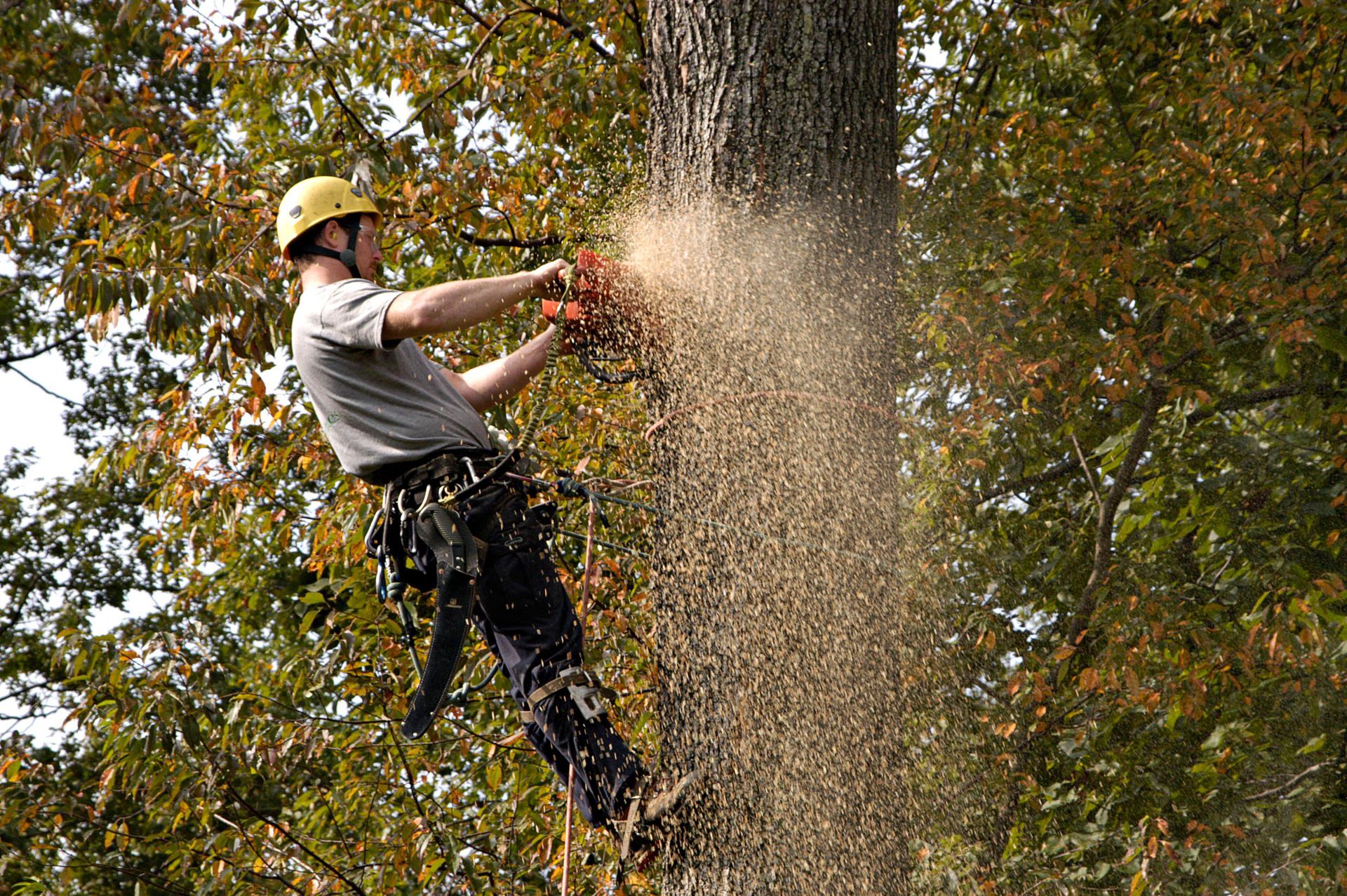
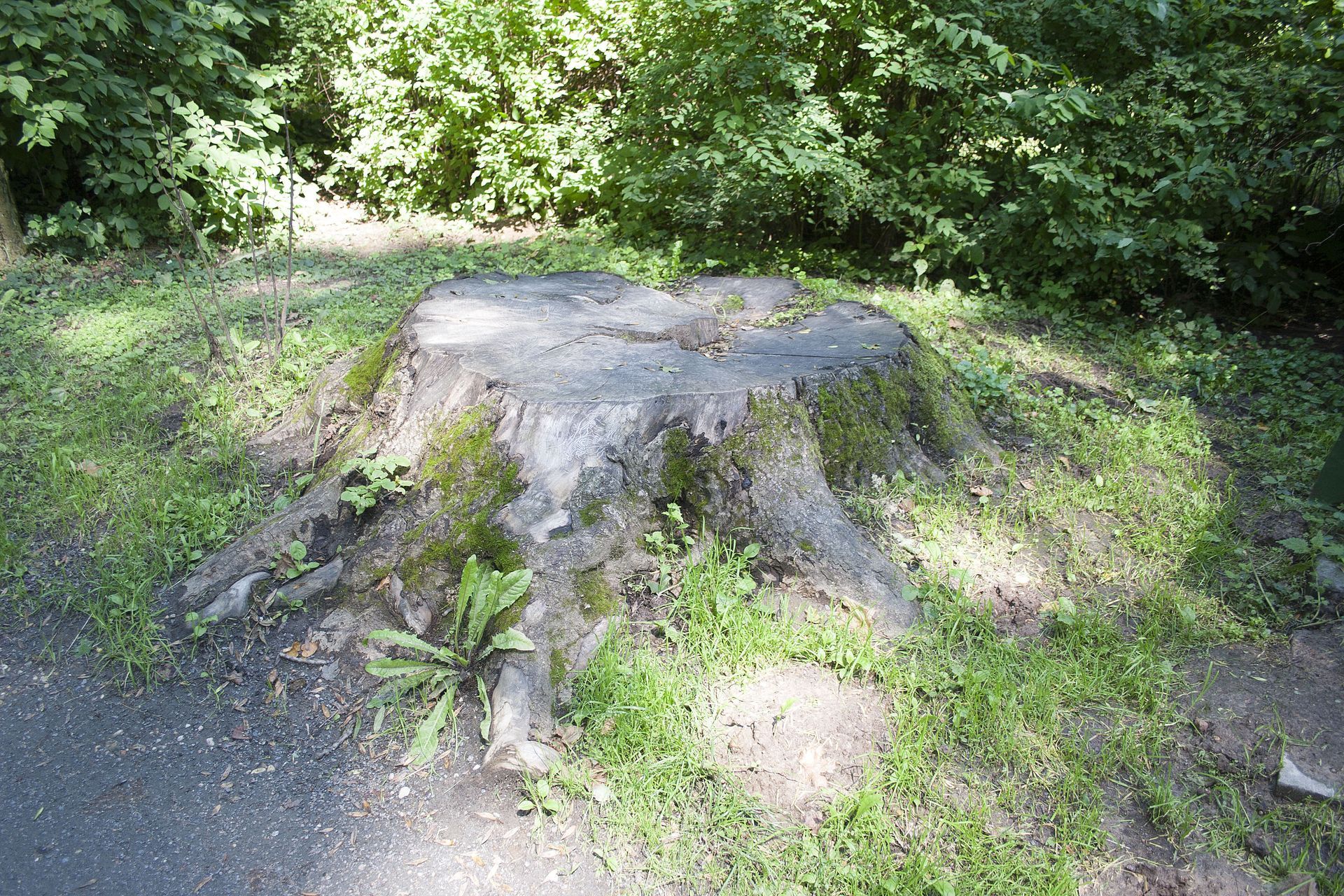
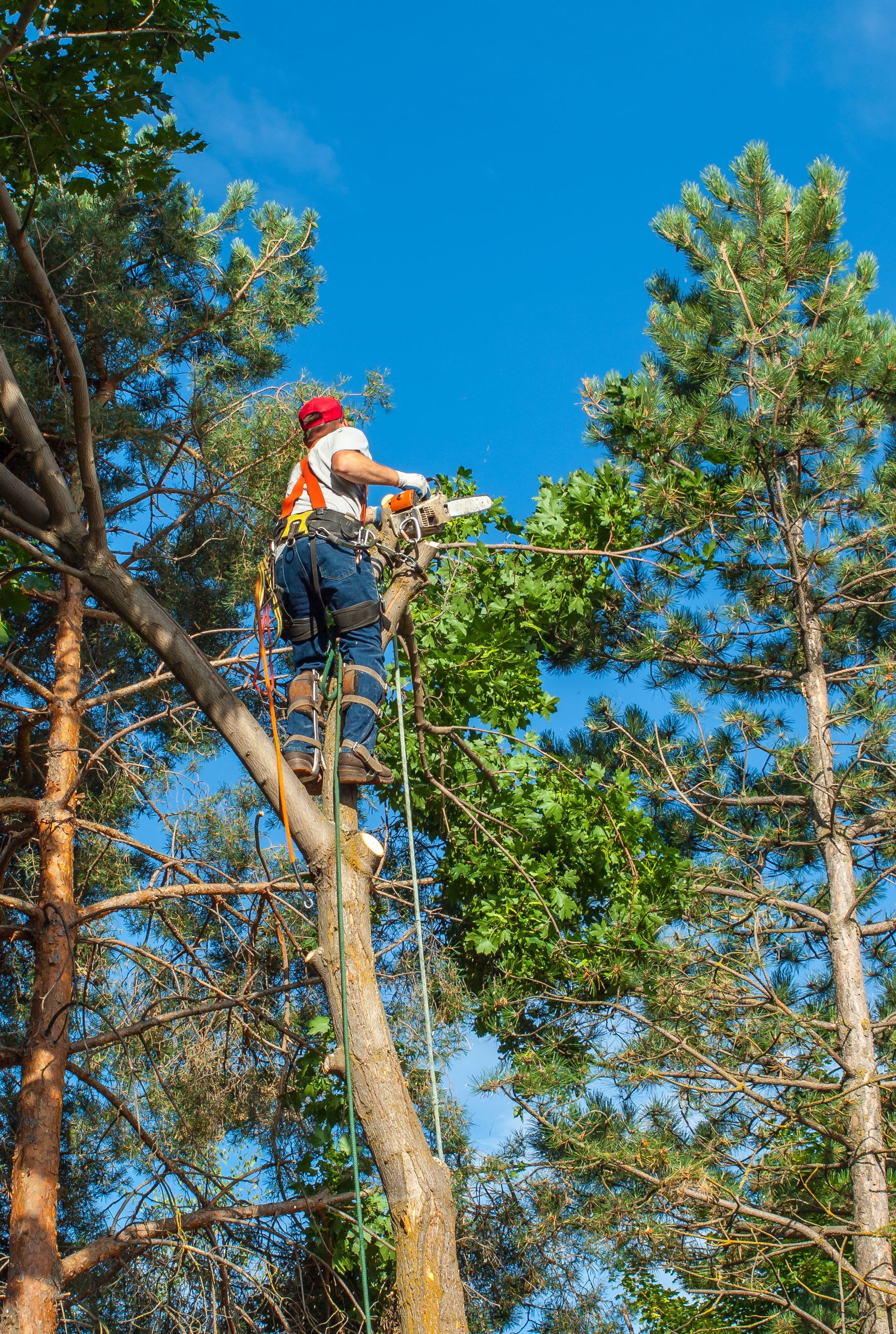
Removing a hazardous tree requires more planning than simply cutting down the trunk. The size, height, condition, lean, surrounding structures, and access to the work area can all affect how removal should be approached. Professional crews can evaluate these factors and determine how branches, trunk sections, and debris can be managed during the process. A tree removal company may also identify nearby obstacles that require additional precautions before work begins. This planning is particularly important when a tree is positioned close to a home, fence, roadway, vehicle, or utility infrastructure. Property owners should avoid taking on complex removals themselves when a tree's size or location creates significant hazards. Professional equipment and experience can help make the process more controlled and organized. Once removal is complete, the property owner can determine whether the remaining stump should also be addressed as part of the landscape plan.
For professional tree care and removal assistance, contact Dillon Tree Service to discuss concerns about hazardous, damaged, or declining trees and determine the appropriate next steps for your property.
Share On: