
Structural Tree Trimming and Pruning: When and Why It Matters
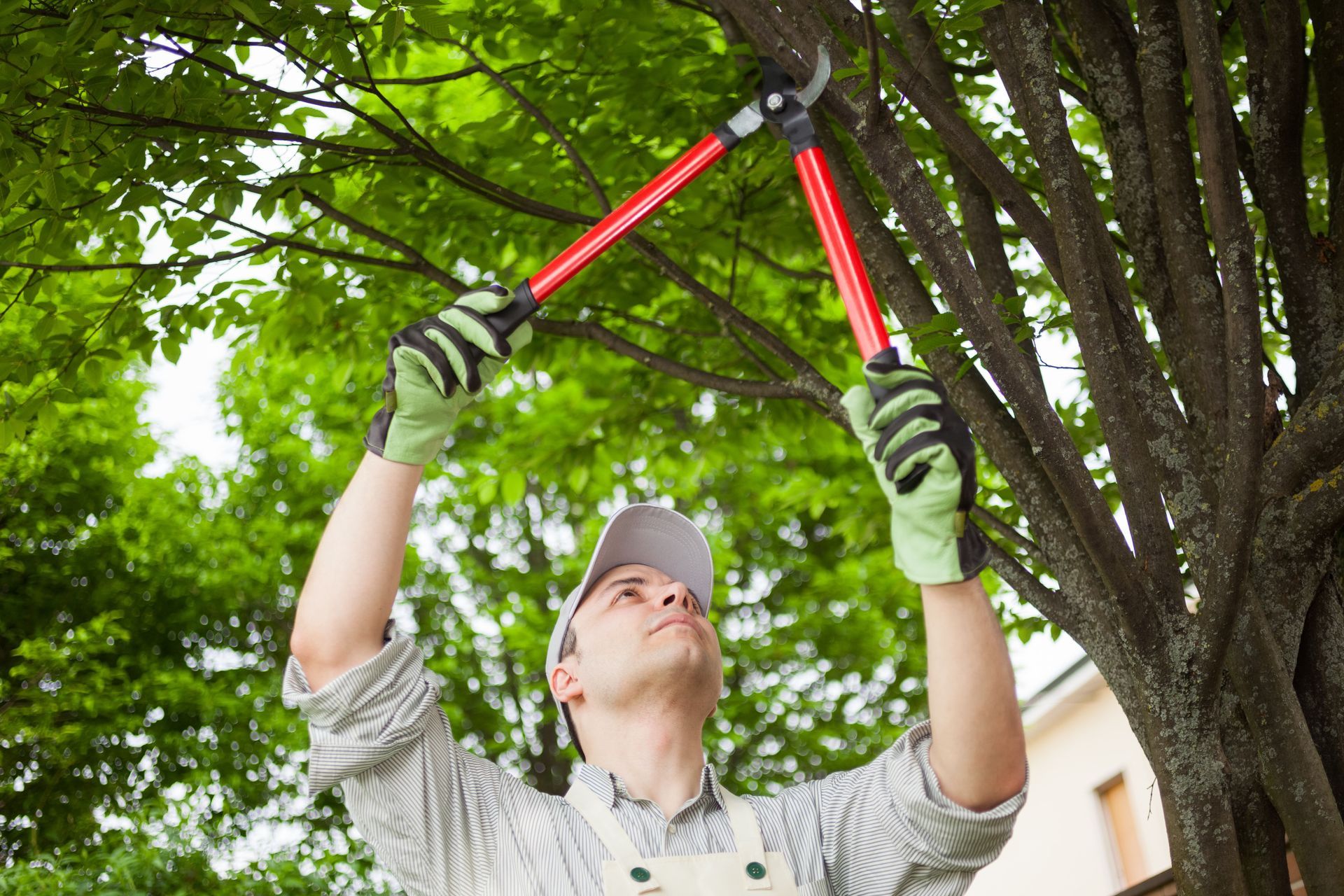
Trees bring life, character, and necessary shade to any residential property, but keeping them strong, healthy, and structurally balanced requires consistent care and attention over many years. Simply letting nature take its course without human intervention can eventually lead to overgrown limbs, severe structural hazards, and poor overall plant health. Regular tree trimming helps guide a tree's physical development early on, establishing a firm, dependable framework that supports heavy foliage, resists harsh weather, and withstands powerful seasonal storms. Taking a proactive approach to caring for your canopy ensures that your landscape stays bright, safe, and visually appealing year after year while protecting the overall longevity of your environmental investment.
Establishing a Strong Framework in Young Trees
Every mature, majestic canopy starts with a solid structural foundation that develops over time through proper pruning practices. When young trees grow naturally without guidance, they frequently produce competing main trunks or narrow branch unions that become increasingly vulnerable as the tree gets heavier and taller. Routine tree trimming eliminates these weak spots before they develop into major structural problems, allowing the plant to concentrate its energy on building a single, strong central stem. By carefully guiding the physical growth pattern of the tree during its early developmental years, you create a balanced framework that handles high winds, heavy ice, and dense summer foliage effortlessly for decades to come.
Mitigating Safety Risks and Falling Branch Hazards
Safety is often the primary reason property owners invest in routine tree trimming for their residential landscape. Overextended, dead, split, or diseased branches can snap without warning, threatening nearby structures, vehicles, sidewalks, or frequently traveled walking paths. Timely branch removal reduces excess weight on long, heavy limbs, significantly decreasing the risk of sudden structural failure during severe summer thunderstorms or winter ice freezes. Keeping your canopy properly maintained offers total peace of mind, knowing that your home, vehicles, family members, and visiting guests remain safe from unexpected falling timber during unpredictable weather events.
Promoting Sunlight Penetration and Internal Airflow
The internal biological processes of a tree rely heavily on direct sunlight exposure and adequate air movement throughout the crown. Dense, overcrowded foliage blocks sunlight from reaching interior leaves, causing those hidden inner branches to wither away and die prematurely while creating a damp environment where fungal spores thrive. Strategic tree trimming opens up the dense inner canopy, allowing vital sunlight to penetrate deeper and dramatically improving airflow across all main branches. According to the University of New Hampshire, six of the main reasons for pruning are to keep plants vigorous, shape and maintain sound structure, boost fruit and flower yields, promote overall health, enhance visual appeal, and control plant size.
Timing Cuts According to Seasonal Growth Cycles
Different seasons demand unique approaches when it comes to maintaining healthy branch structure, encouraging new growth, and protecting tree health. Late winter or early spring during the dormant season is widely considered an ideal window for major structural cuts because the bare branch structure makes the architecture easy to evaluate clearly. However, light tree trimming during the warm summer months can help manage rapid foliage growth, direct energy away from unwanted sprouts, and clear away deadwood before fall storms arrive. Understanding proper seasonal timing minimizes plant stress while maximizing the positive physiological growth response after every carefully executed cut.
Applying Precise Cutting Methods to Prevent Decay
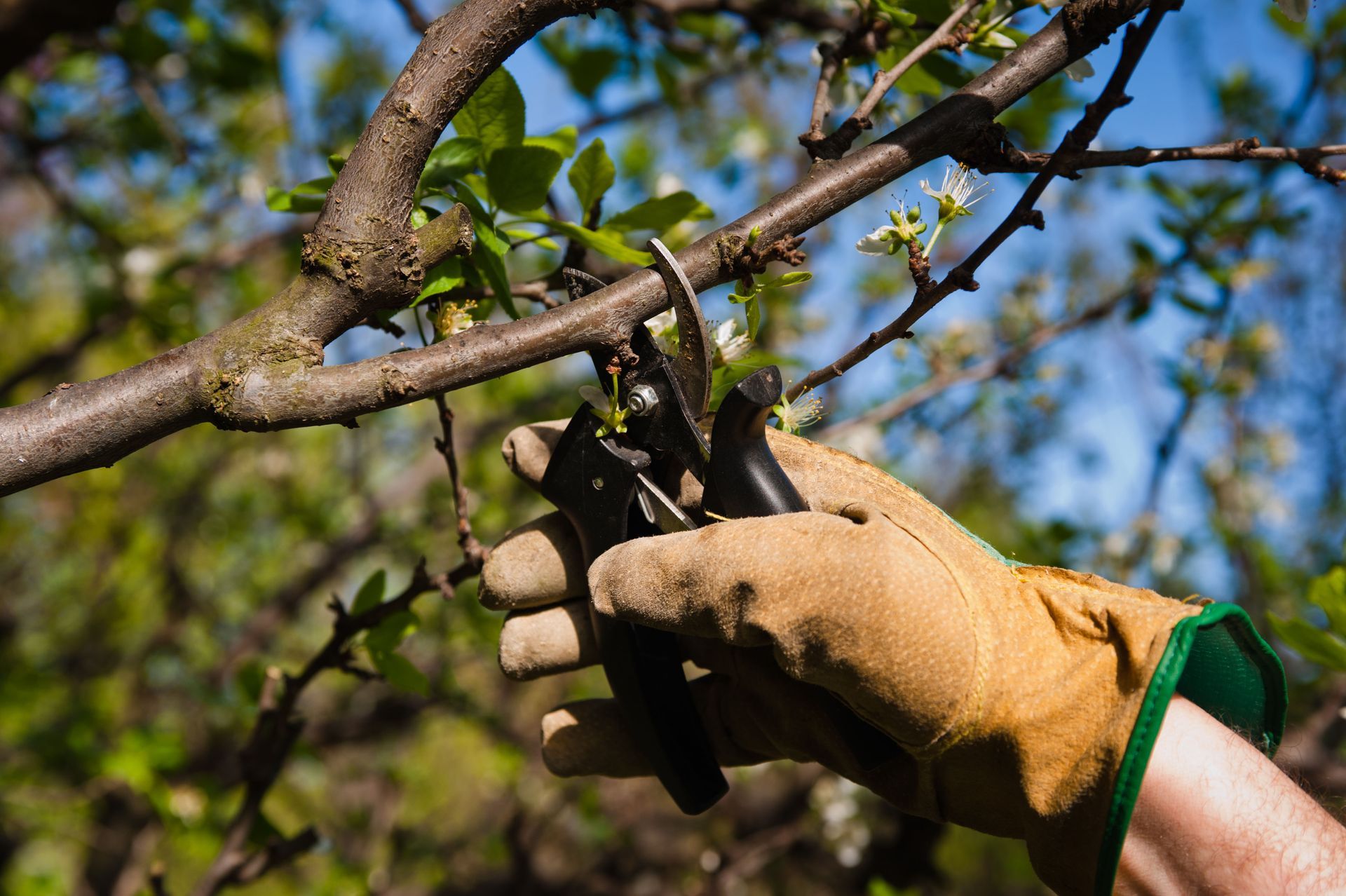
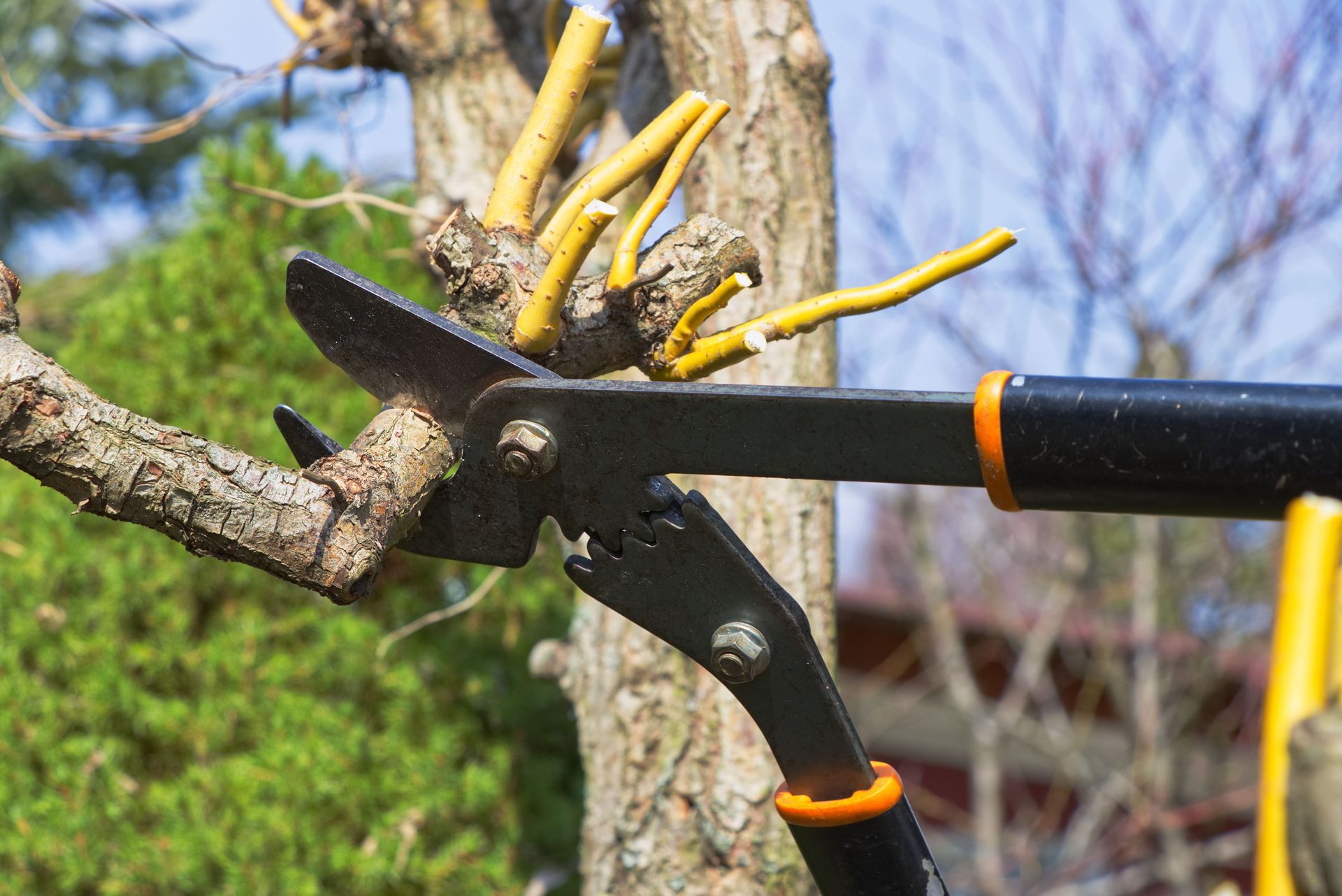
Proper cutting techniques make all the difference between a tree that heals cleanly and one that struggles with internal wood decay and pest infestations. Making precise cuts just outside the branch bark collar allows the plant to form protective callus tissue over the wound naturally without damaging surrounding trunk tissue. Indiscriminate tree trimming or aggressive topping destroys the natural form of the tree and leaves open wounds that invite wood-boring insects and destructive fungi into the heartwood. Relying on accurate structural cuts preserves the natural defense mechanisms of the wood while directing future growth exactly where it needs to go.
Managing Canopy Space in Urban Landscapes
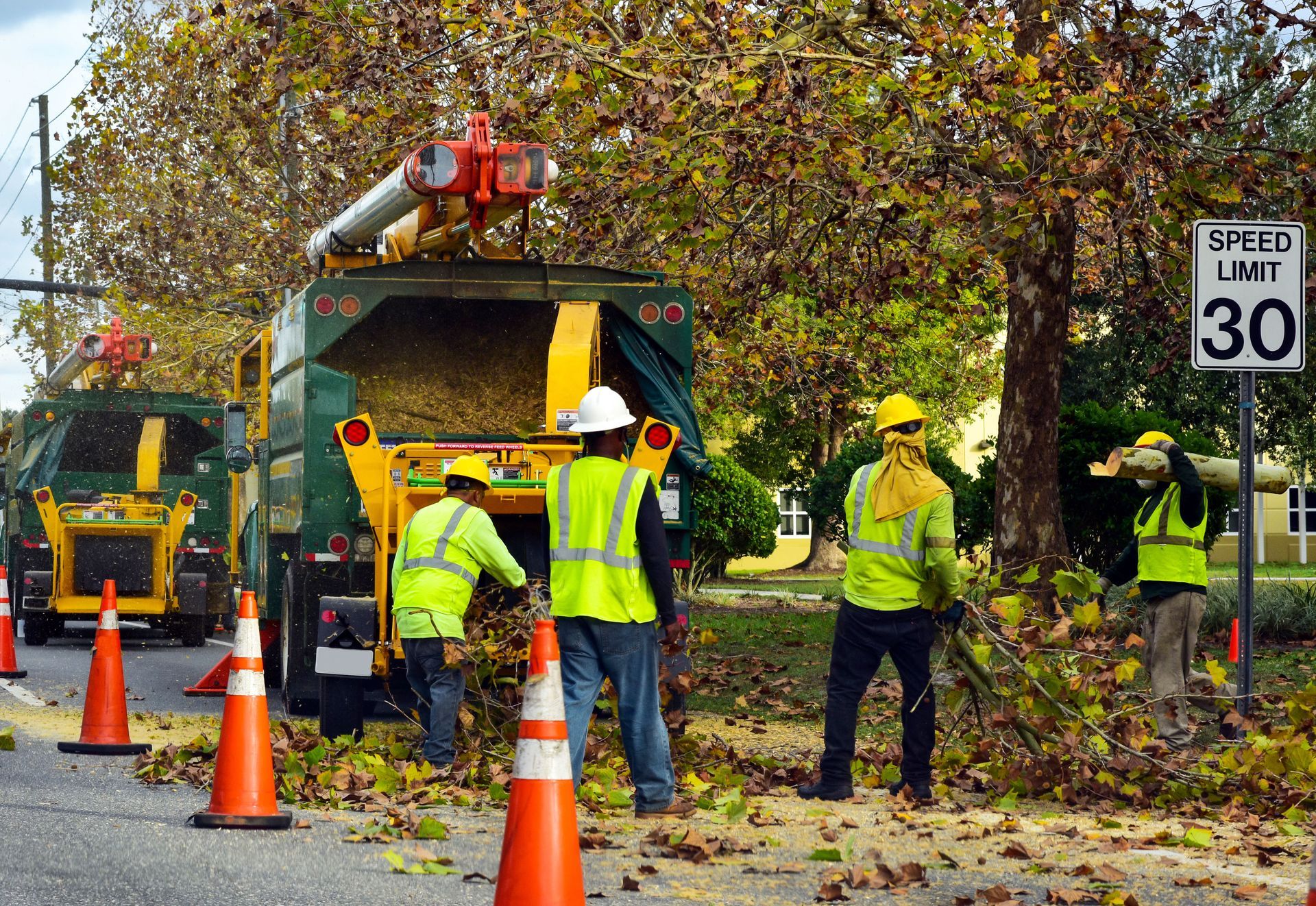
Urban and suburban landscapes present unique environmental challenges and spatial constraints that trees in the forest never encounter in their natural habitats. Trees planted near driveways, sidewalks, power lines, and rooflines need regular tree trimming to prevent encroaching on surrounding architecture or blocking critical infrastructure. Proper spatial management keeps branches clear of roof shingles and overhead wires while ensuring pedestrians and drivers maintain unobstructed sightlines down streets and driveways. Maintaining a clean separation between your large trees and home structures helps prevent costly structural damage and unnecessary interference down the road.
Tailoring Pruning Techniques to Specific Tree Species
Large shade trees and fruit-bearing species both require tailored structural maintenance strategies to stay healthy, strong, and productive over their lifespan. Shade trees need a dominant central leader to grow tall and sturdy, whereas fruit trees require an open, vase-like framework to maximize light exposure and support heavy crops of fruit. Targeted tree trimming encourages sturdy scaffolding branches that can handle the massive weight of dense summer foliage or abundant harvest seasons without breaking. Tailoring your approach to the exact species ensures optimal biological health, structural stability, and crop production for generations.
Identifying Early Warning Signs of Structural Weakness
Recognizing the warning signs that indicate a need for structural care keeps you ahead of severe canopy failures and costly property damage. Crossed limbs that rub continuously against each other wear away protective bark, opening up direct entry points for harmful fungal diseases and invasive wood-boring insects. Unusually dense growth, sagging branches, or dying twig tips are clear signals that your canopy requires professional tree trimming. Catching these subtle structural defects early prevents minor branch issues from escalating into full-scale canopy declines or sudden limb collapse during heavy winds.
Enhancing Property Value and Visual Appeal
Healthy, beautifully shaped trees directly enhance the overall value, curb appeal, and charm of your entire residential property. Well-maintained canopies frame your home elegantly, creating an inviting, picturesque landscape that catches the eye of visitors, neighbors, and potential homebuyers alike. Scheduled tree trimming preserves the natural aesthetic beauty of your trees while preventing chaotic, unsightly growth patterns from taking over your yard. Investing in routine structural care is one of the most effective and rewarding ways to boost your property's long-term visual charm and real estate market value.
Relying on Certified Arborists for Canopy Health
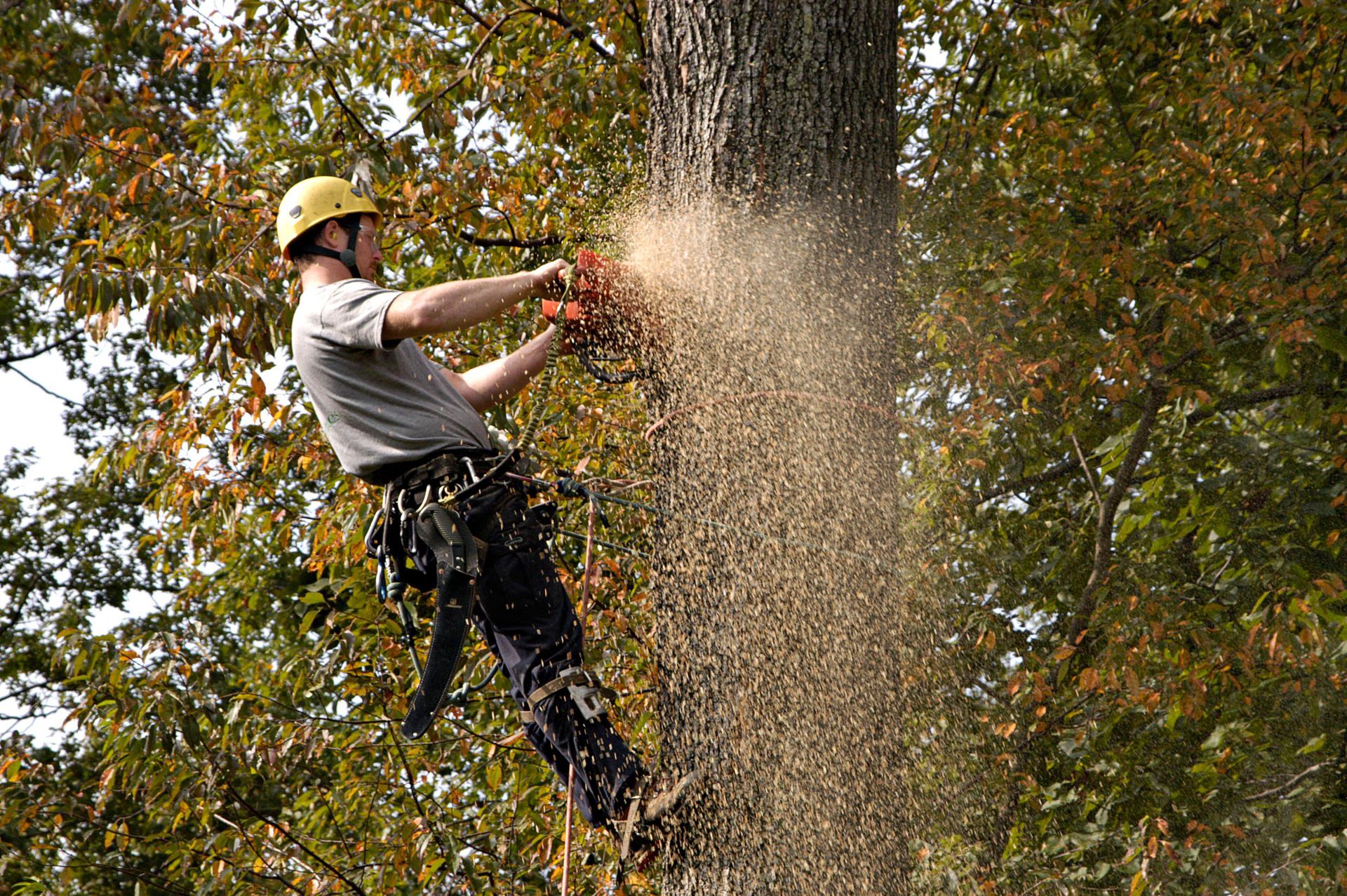
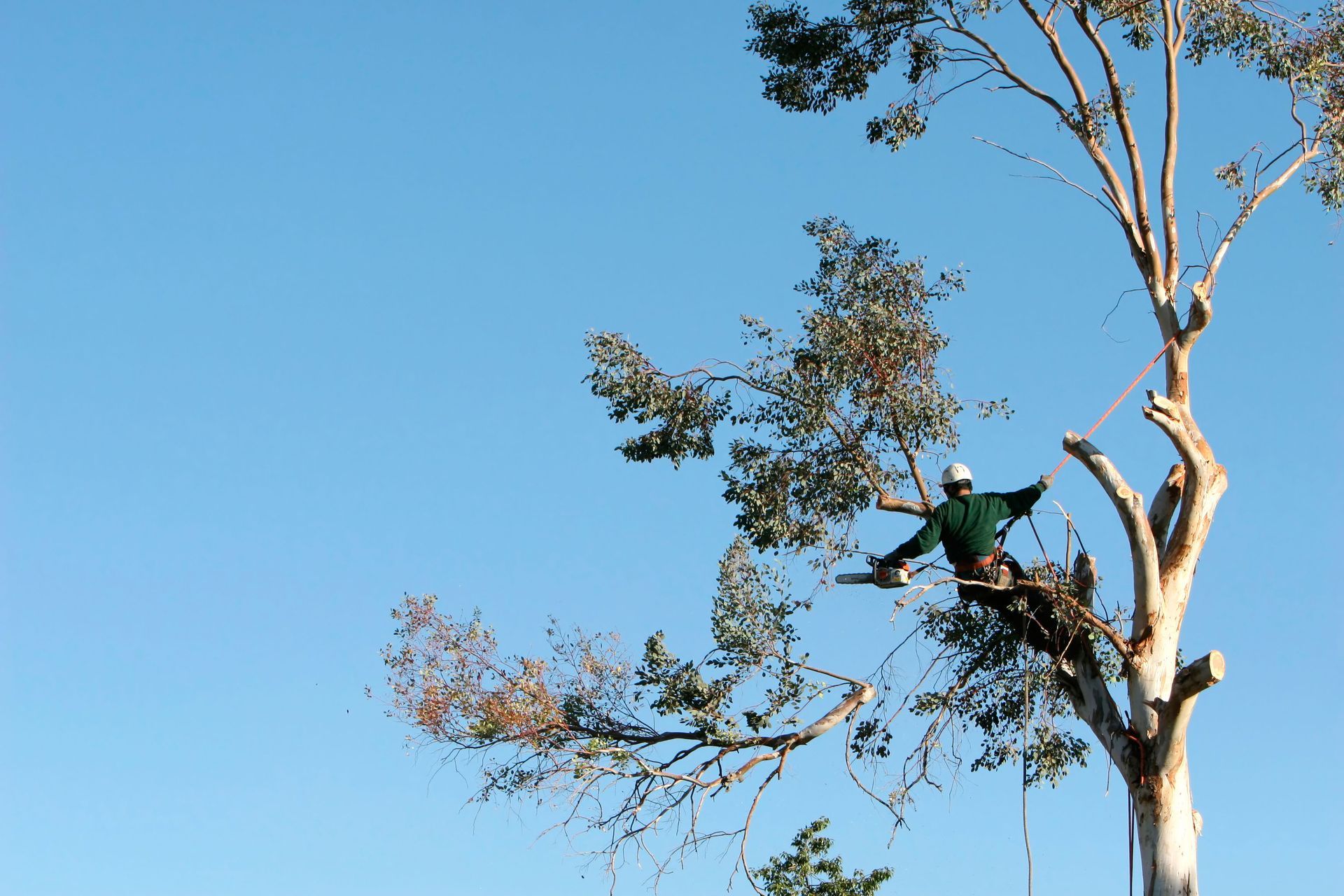
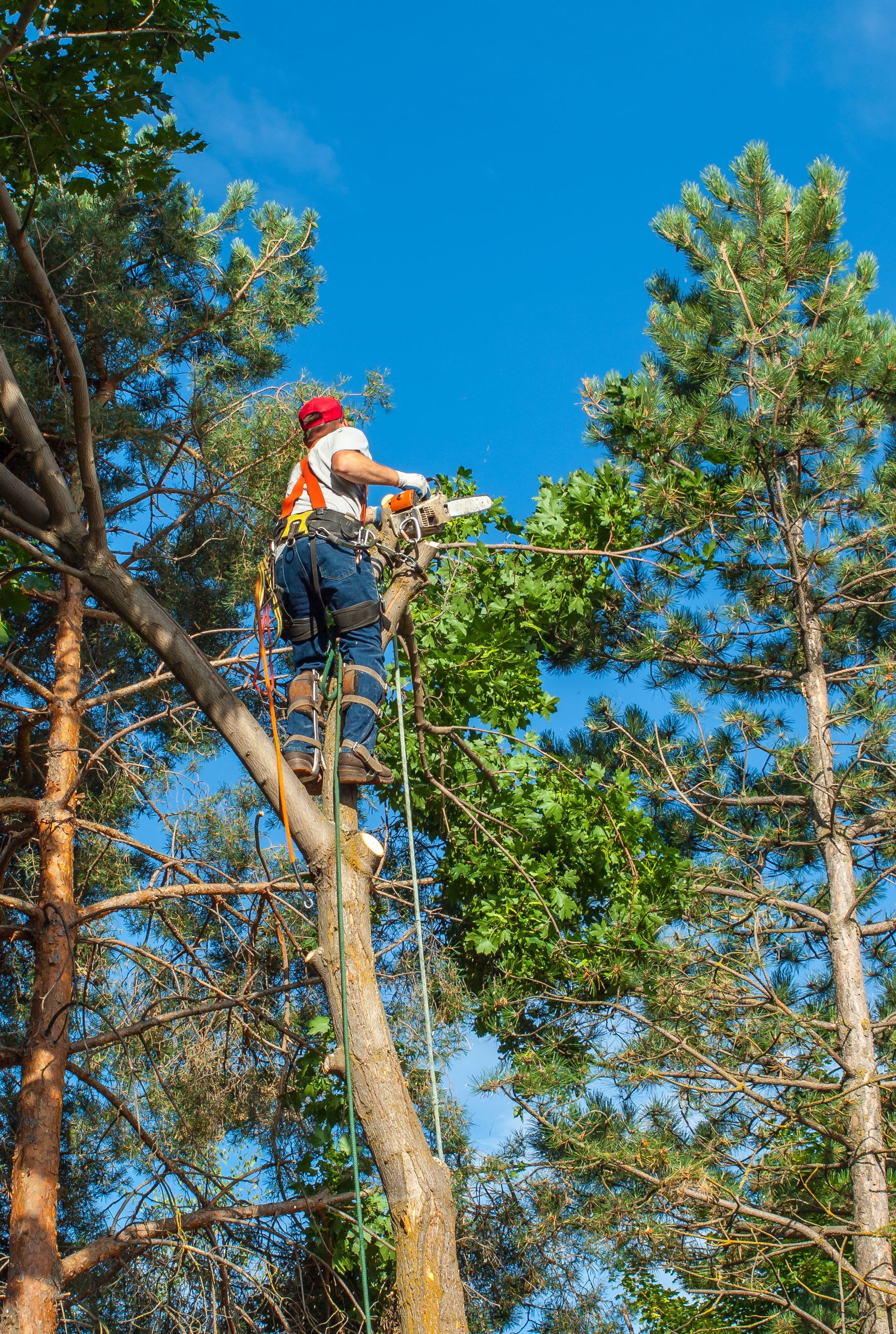
Maintaining long-term landscape resilience involves working alongside skilled professionals who understand advanced silviculture science and proper safety protocols. Certified arborists possess the expert knowledge, industry experience, and professional equipment necessary to evaluate canopy health, identify hidden structural defects, and execute precise cuts safely. Professional tree trimming ensures that every single branch removal supports the long-term vitality, safety, and structural soundness of your trees. Working with experienced professionals guarantees that your investment yields a flourishing, safe, and stunning landscape for many years to come.
Taking care of your canopy is a continuous journey that yields rich rewards in beauty, functional shade, and safety for your home and property. Prioritizing routine tree trimming protects your long-term investment, preserves tree health, and creates a picturesque outdoor environment that you and your family can enjoy every day. When you are ready to enhance the health, structural safety, and beauty of your landscape, contact our professionals at Dillon Tree Service to schedule your expert consultation today.


Share On: