Storm Season Readiness: How Tree Risk Assessments Prevent Costly Damage
Professional tree risk assessments consider several factors that can affect the likelihood and potential consequences of tree failure. These evaluations can help identify concerns involving the tree itself as well as surrounding structures and other potential targets. When additional work is needed, a tree company may provide services such as tree trimming, structural pruning, hazardous tree removal, or emergency tree removal to address identified concerns.
Important Tree Risk Factors
Identify Property Risks
Tree risk assessments can help property owners identify conditions that may increase the likelihood of tree or branch failure. An assessment can consider decay, root problems, insects and disease, cracks in the trunk or branches, deadwood, crown density, tree history, and species. Nearby potential targets are also considered when evaluating the possible consequences of failure, giving a tree company information that can help property owners better understand potential hazards.
Consider Tree Health
The condition of a tree can change over time, making it important to pay attention to visible signs of damage or decline. Decay, disease, dead branches, cracks, root problems, and changes in crown density can all be relevant when evaluating tree risk. A professional assessment provides a closer look at these conditions and can help a tree company determine whether trimming, pruning, removal, or additional evaluation may be appropriate.
Address Potential Hazards
Unidentified tree problems can become more serious when weakened trees or branches fail. A tree risk assessment can help identify conditions that may present a potential hazard to people or property. Recognizing concerns before a tree or branch fails can give property owners an opportunity to consider appropriate tree care and address problems before severe weather creates additional challenges.
Consider Surrounding Conditions
The area surrounding a tree can affect the potential consequences of failure. Buildings, traveled areas, and other nearby targets may be considered during a tree risk assessment. The tree's history, species, condition, and other factors can also help determine the likelihood of failure and the potential impact if a tree or branch falls.
Effective Assessment Elements
Identify Warning Signs
Visible changes can provide an indication that a tree may require professional attention. Signs such as decay, disease, deadwood, cracks, root problems, or weakened branches may warrant further evaluation. A tree risk assessment can take these conditions into account along with the tree's history, species, crown condition, and surrounding area, helping a tree company better understand potential risks associated with a tree.
Evaluate Structural Conditions
Evaluating a tree's structural condition is an important part of understanding its risk profile. The trunk, branches, roots, and crown can all provide information about the tree's overall condition. According to the University of Illinois, tree root reach has been recorded as potentially up to four times as wide as the canopy. Considering these factors together can help determine whether additional tree care may be appropriate.
Evaluate Tree Risk
Professional tree risk assessments focus on determining how likely a tree or its branches may be to fail and what could be affected if failure occurs. The assessment considers factors such as tree history, vigor, crown density, potential targets, species, root condition, cracks, decay, disease, and other visible concerns. This evaluation can help property owners make more informed decisions about managing potentially hazardous trees and determine whether a tree company should address identified concerns.
Schedule Professional Assessment
When a property owner has concerns about a tree's condition or potential hazards, a professional assessment can provide a more thorough evaluation. An assessment can identify conditions that may not be obvious from a general view of the tree and provide a clearer picture of potential risks. Understanding the condition of a tree can help determine whether trimming, pruning, removal, or another form of tree care may be appropriate.
Practical Storm Preparation
Inspect Vulnerable Trees
Before severe weather, property owners can pay attention to trees with visibly weakened branches, decay, disease, or other concerning conditions. A professional tree risk assessment can provide a closer evaluation of potential hazards and help identify conditions that may warrant additional attention. Addressing concerns before a storm can help property owners prepare for potential tree-related problems and determine whether a tree company should provide additional care.
Address Damaged Branches
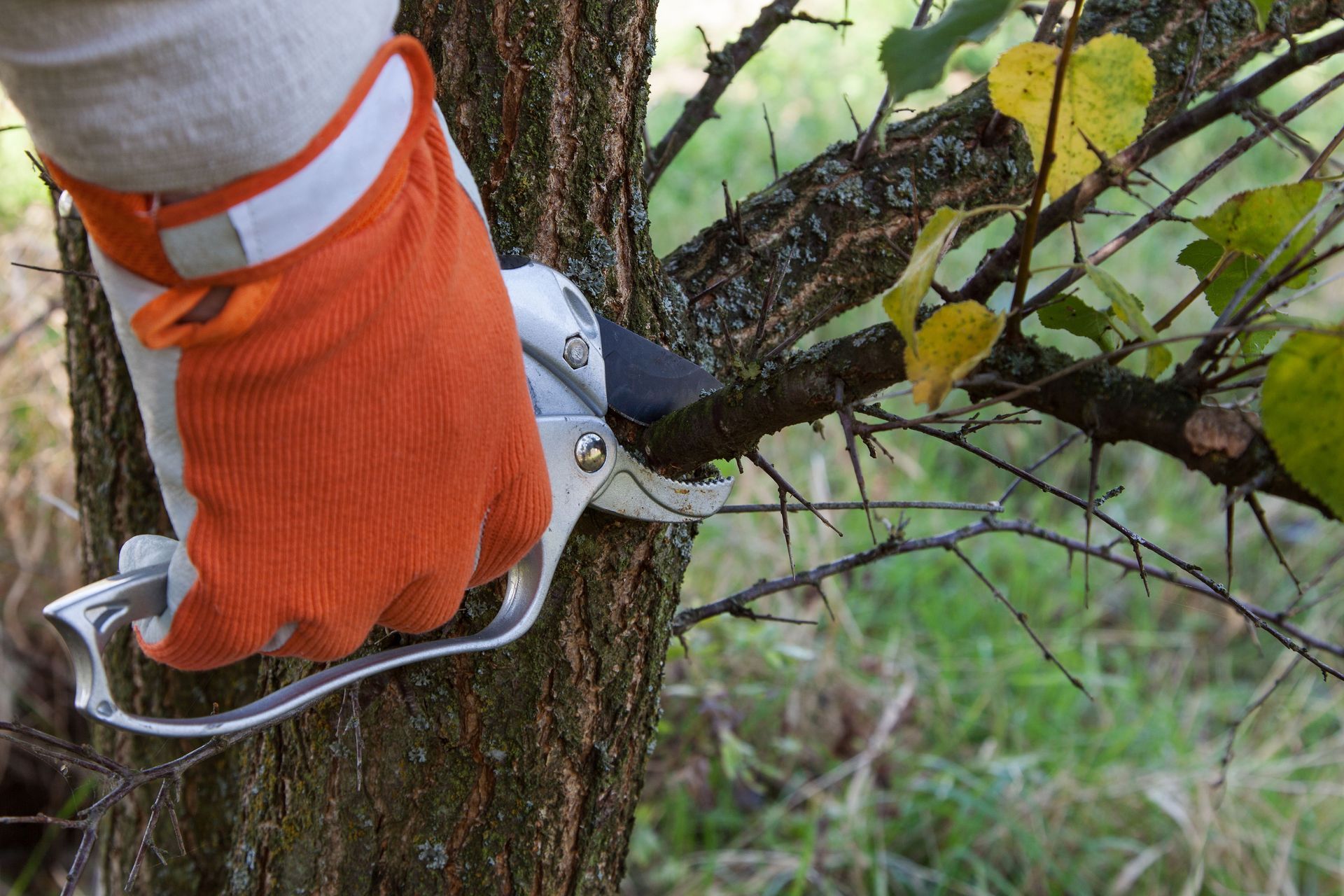
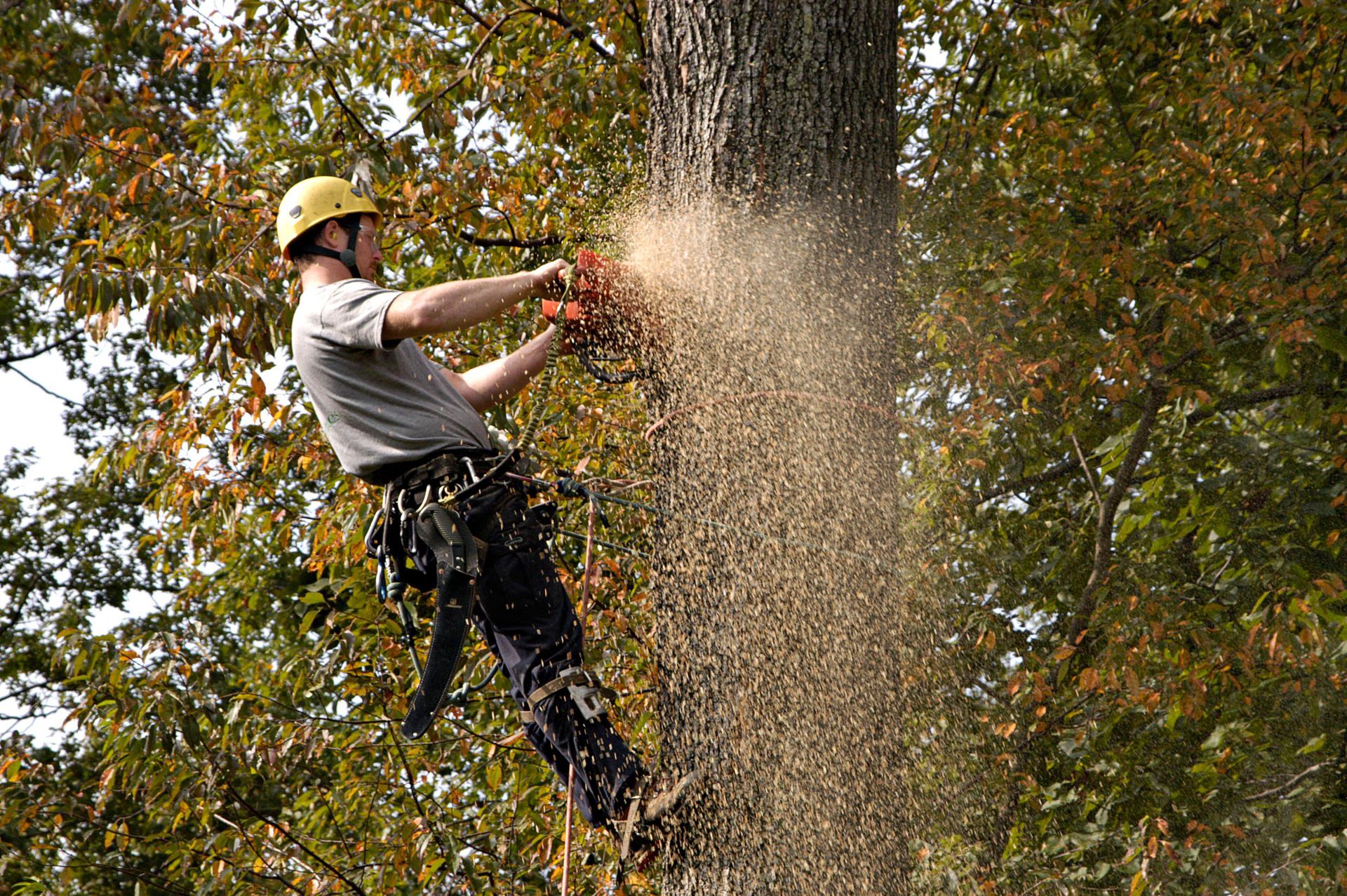
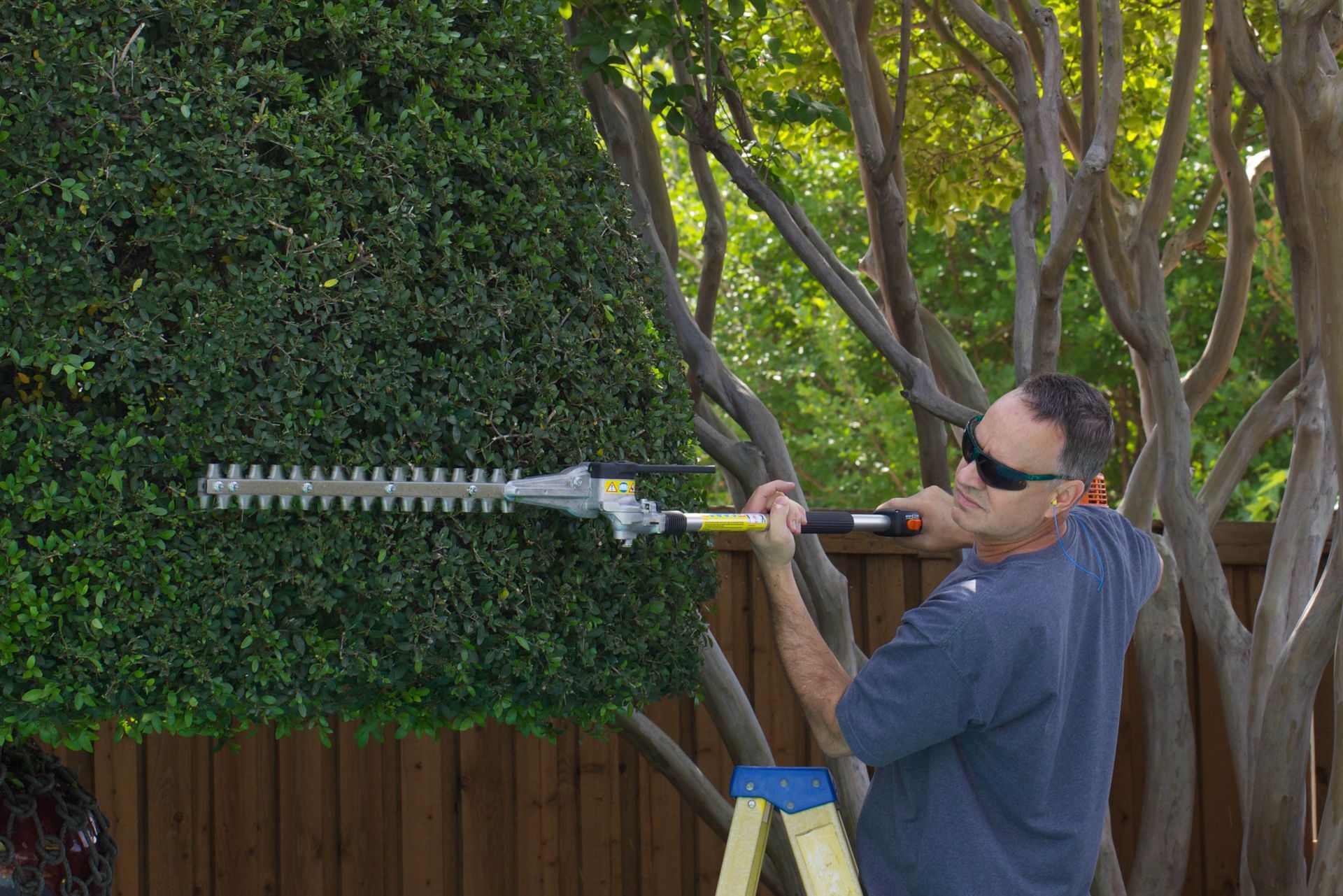
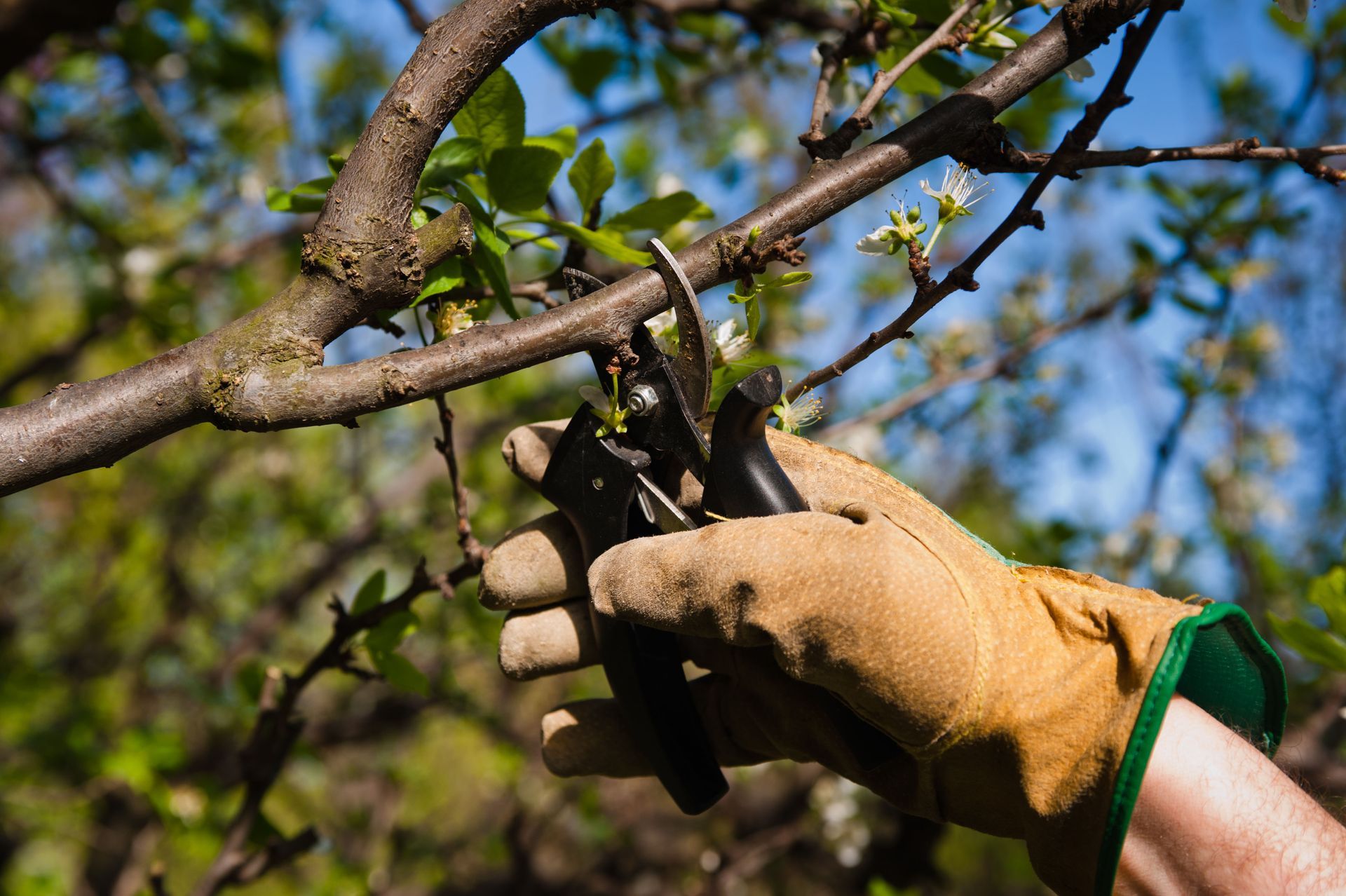
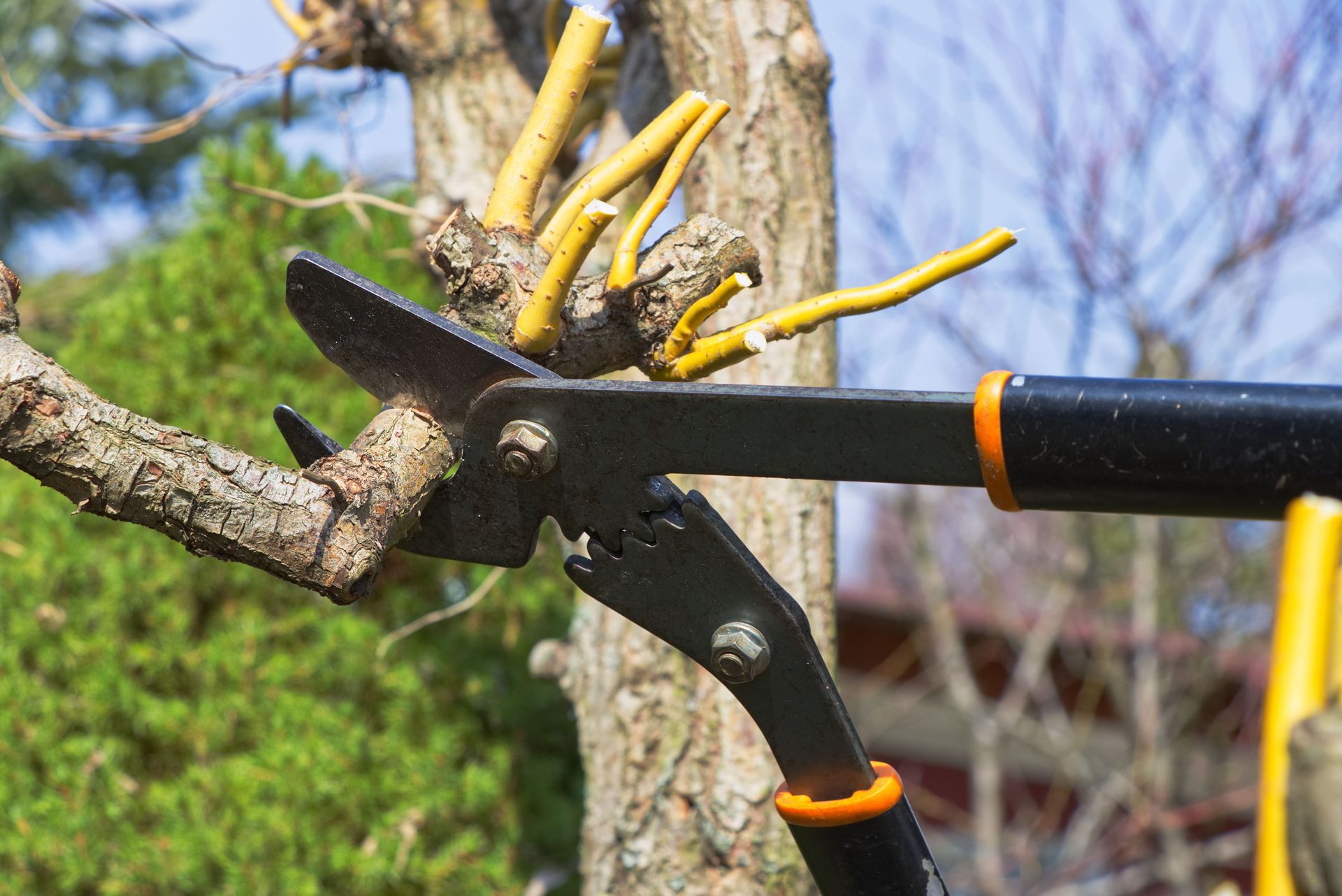
Dead, dying, weak, or structurally unsound branches can become a concern during severe weather. Tree trimming and pruning can address problematic branches while also helping maintain appropriate tree structure. Structural pruning may involve removing weak branches, correcting poor branch angles, and addressing competing leaders or other structural concerns.
Consider Hazardous Tree Removal
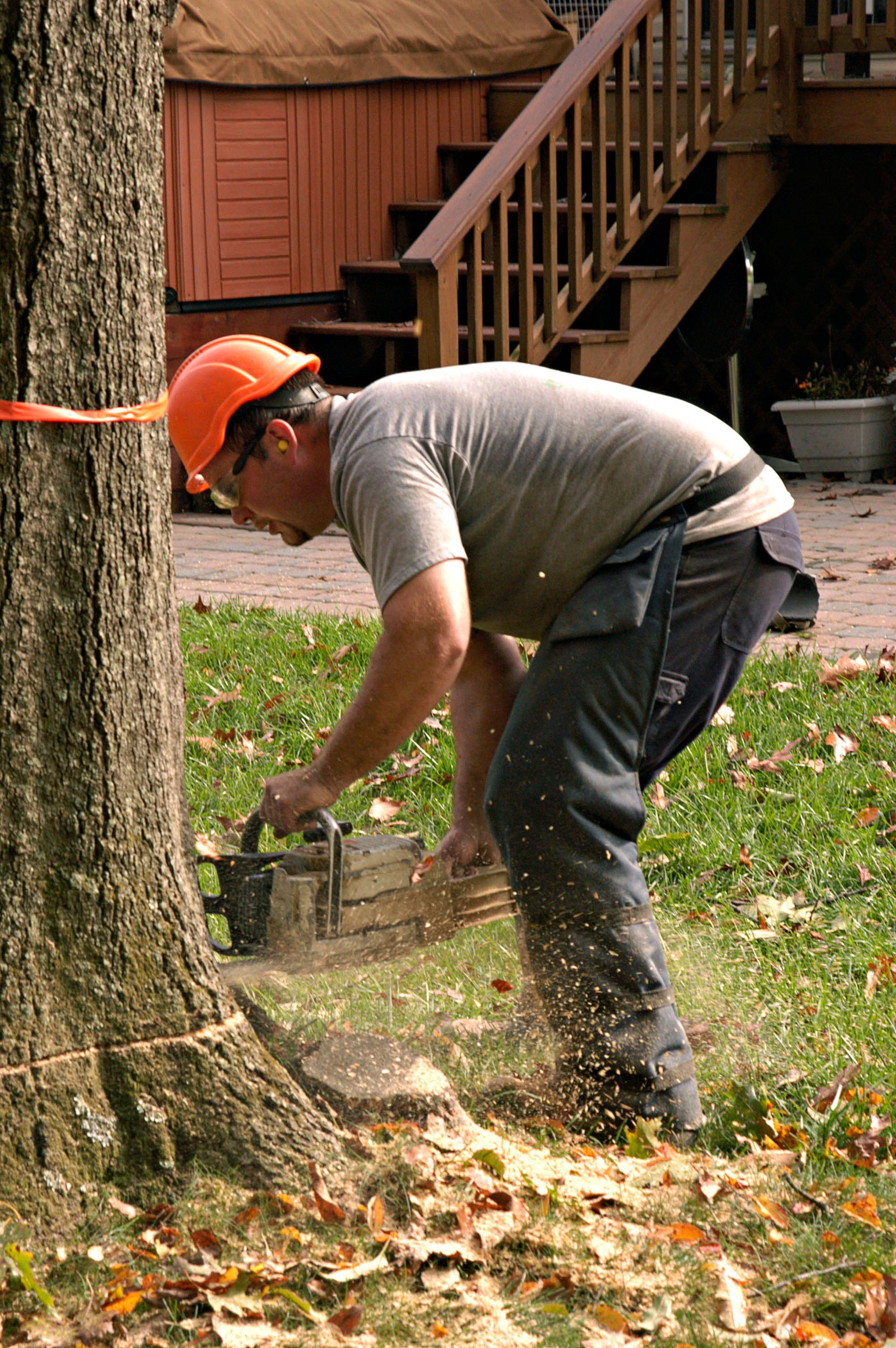
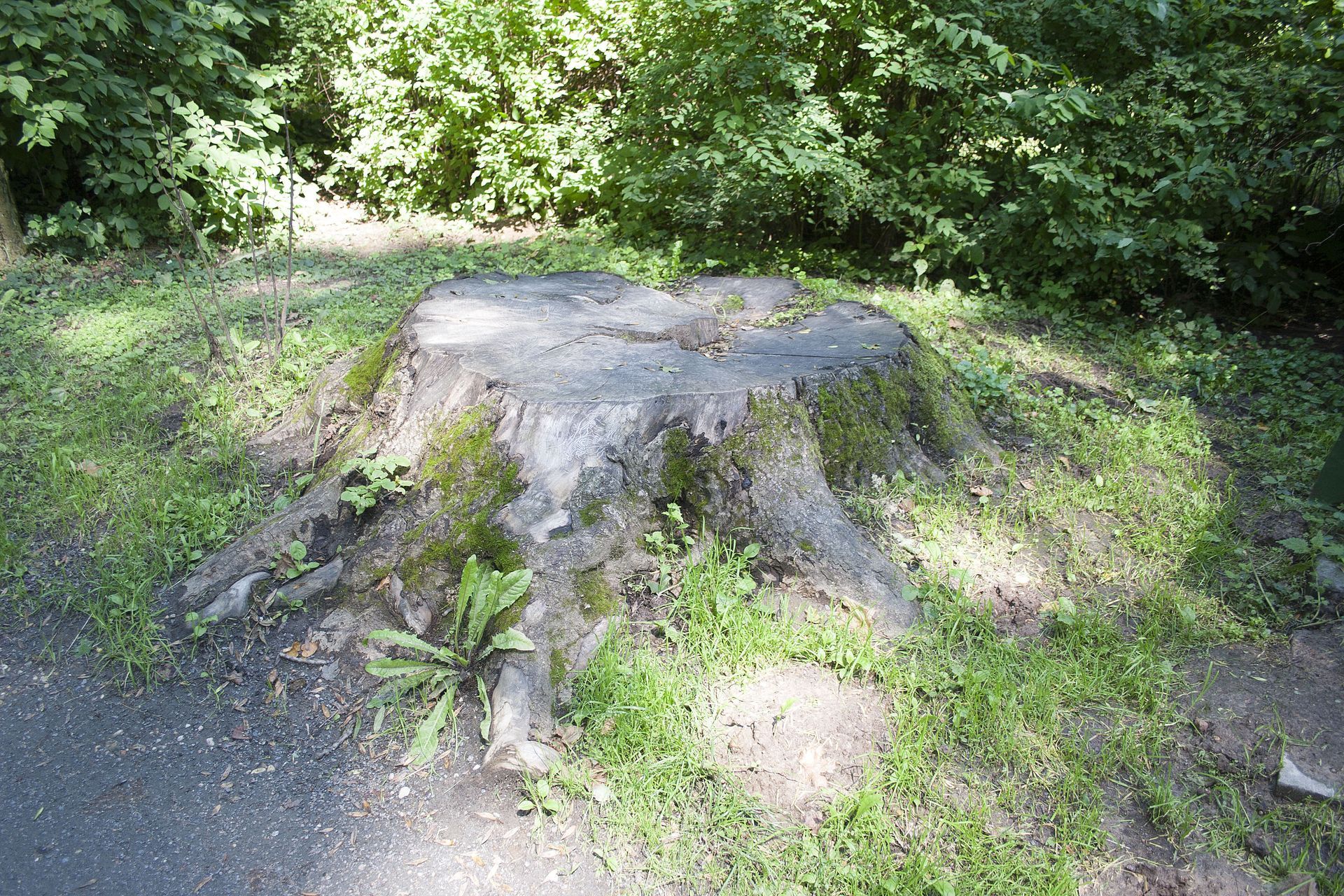
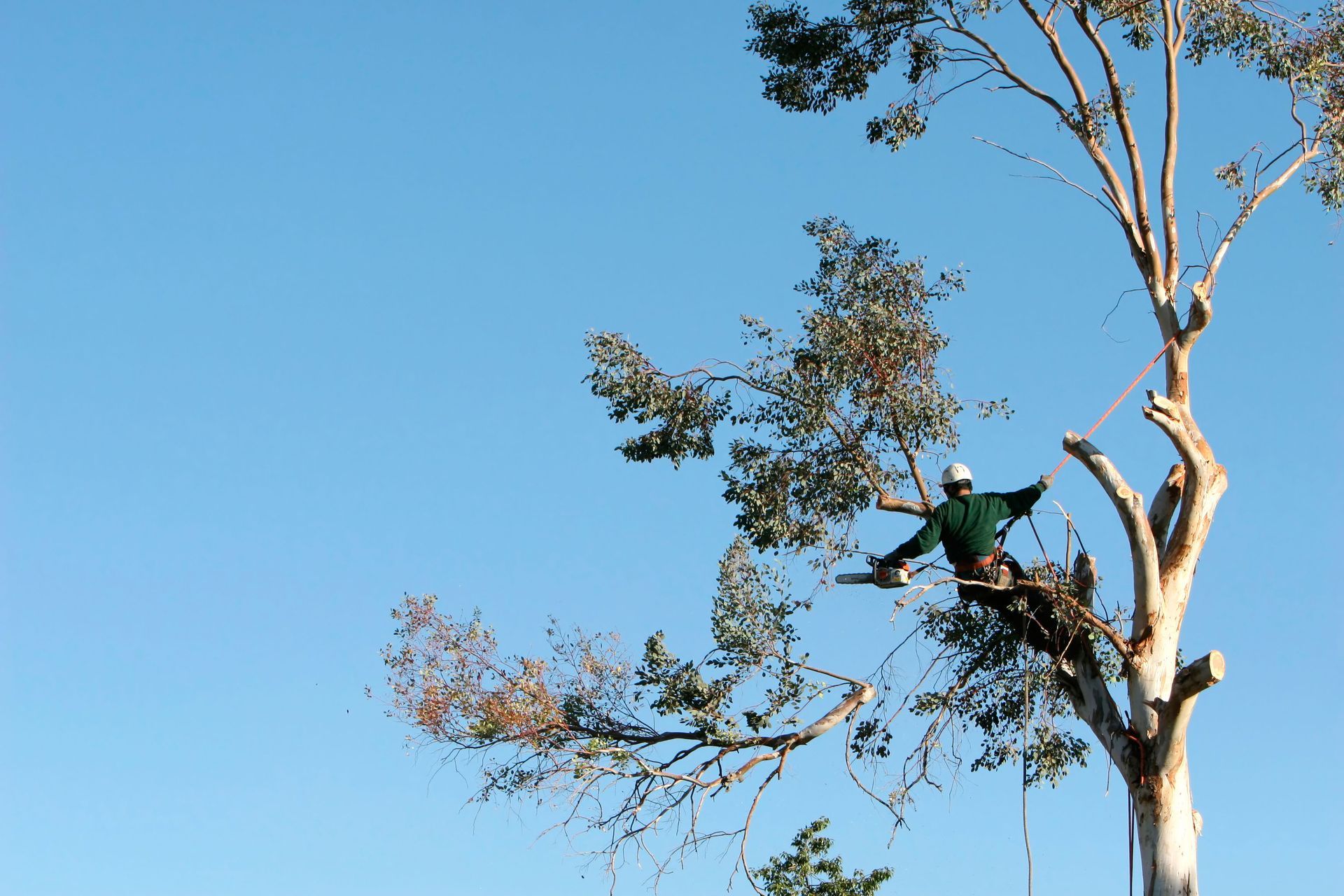
Some trees may present a greater risk because of their condition, location, or likelihood of failure. Hazardous tree removal can address trees that pose a potential threat to people or property. Large or difficult trees may require specialized removal methods, particularly when they are located near homes, fences, landscaping, or other structures.
Respond After Storm Damage
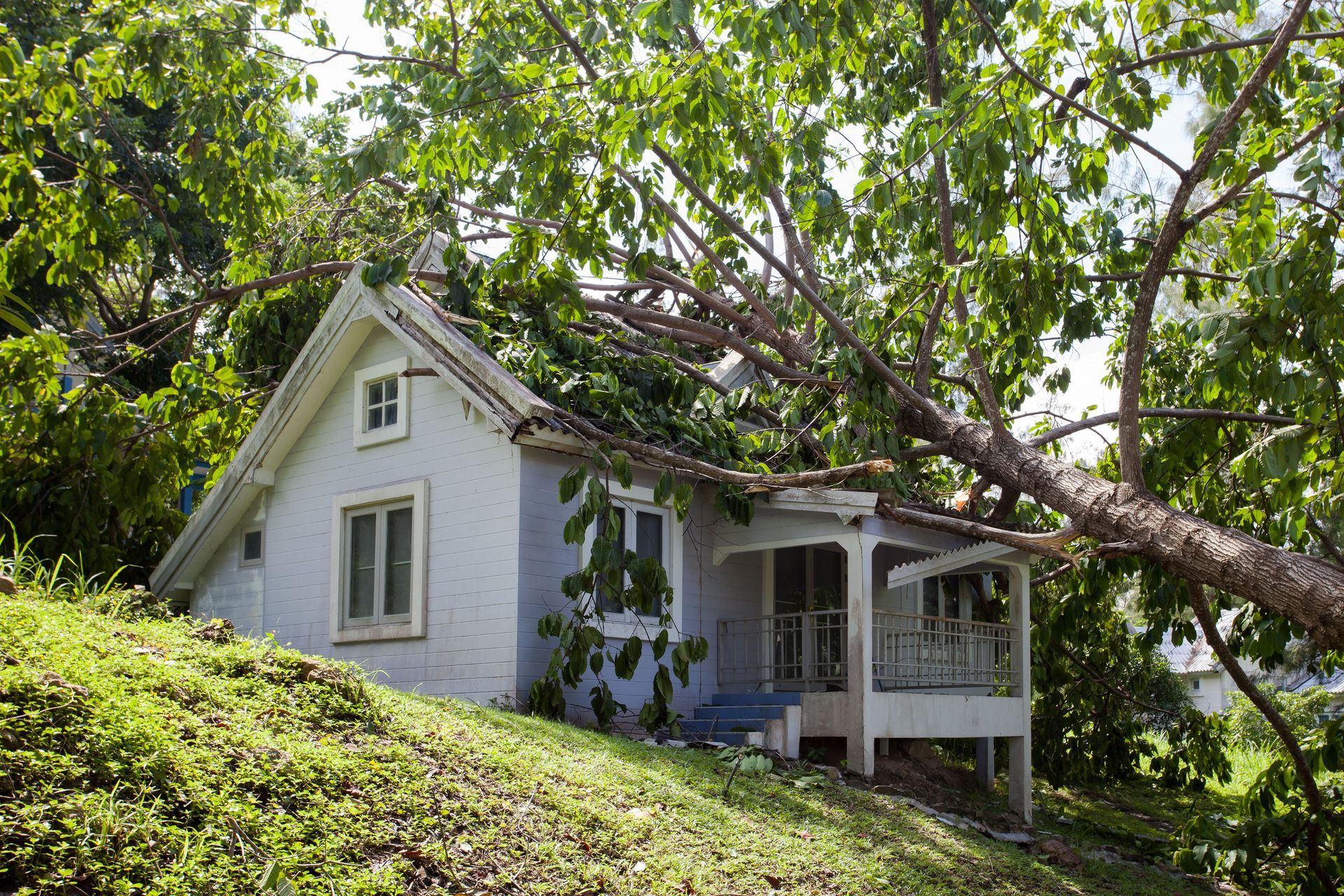
Severe weather can leave trees weakened or fallen. Storm damage services can address trees and branches affected by difficult weather conditions. Depending on the circumstances, trimming may address weak branches while hazardous tree removal may be appropriate for trees that have become unsafe, and emergency tree removal can address situations in which a tree or branch creates an immediate threat to people or property.
Appropriate Tree Care Practices
Address Tree Problems Early
Addressing tree problems before they become more serious can help property owners manage potential hazards. Tree trimming and pruning can remove dead, dying, weak, or structurally unsound branches. Risk assessments can also identify concerns involving decay, roots, disease, cracks, deadwood, and crown condition, while removal may be appropriate when a tree presents a significant hazard.
Consider Appropriate Tree Care
The appropriate response to a tree concern depends on the condition of the tree and the potential risk it presents. Trimming and pruning may address problematic branches or structural concerns, while removal may be appropriate when a tree presents a significant hazard. A professional risk assessment can help property owners better understand the condition of a tree before deciding what type of care may be needed.
Protect Surrounding Property
Tree work can require careful handling when branches or large sections are located near buildings, fences, landscaping, or other property features. Specialized equipment and controlled removal methods can help crews manage difficult tree work while limiting disruption to surrounding areas. This can be particularly important when working with large or hazardous trees in confined locations.
Specialized Tree Equipment
Use Advanced Rigging
Some tree removal and trimming projects require specialized equipment to manage large or difficult sections safely. Advanced rigging equipment can be used to lower branches carefully and help protect surrounding property during tree work. This approach can be useful when conventional removal methods are not well suited to the location or size of the tree.
Use Crane-Assisted Removal
Large or hazardous trees located near homes, fences, landscaping, or other structures can require specialized removal methods. Crane-assisted removal allows large sections of a tree to be lifted and moved around obstacles during complex removal projects. This can help a tree company manage difficult trees in locations where controlled handling is especially important.
Handle Difficult Tree Removal
Specialized equipment can be useful when a tree is large, hazardous, or positioned in a confined area. Remote-controlled equipment and other specialized machinery can support difficult tree removal projects while helping limit disruption to surrounding property. The appropriate equipment and removal approach depend on the specific conditions of the tree and work area.
Dillon Tree Service provides professional tree care for properties facing a range of tree health, safety, and storm-related concerns. From risk assessments and pruning to hazardous tree removal and specialized removal methods, our services can help address challenging tree conditions. Learn more about how Dillon Tree Service can help with your property's tree care needs.
Share On: