4 Signs a Tree Near Your Home Is a Hidden Hazard, and What to Do Next
Trees are essential to any landscape, providing beauty, shade, and habitat for wildlife. However, sometimes a tree that seems healthy can pose a significant danger to your property and safety. Being able to identify potential warnings can help prevent accidents and damage. Through proactive management and expert assistance, you can ensure that the trees around your home remain a safe and vital part of your environment. In severe cases involving compromised root systems, professional tree root removal may be necessary to restore ground stability. Here are four signs that a tree near your home might be a hidden hazard, to guide you through the appropriate steps to address these risks.
1. Dead or Falling Branches
Common Causes
The death of tree branches can be attributed to several factors, including diseases, pest infestations, and environmental stress. For example, fungal infections can cause branches to weaken and die, making them susceptible to breaking. Pest invasions, like those from insects or parasitic plants, can further exacerbate the issue by feeding on the tree's nutrients. Environmental stressors, such as drought, high winds, and pollution, can also contribute to branch dieback. Understanding these causes is critical for effectively addressing the problem.
Initial Assessment
Conducting a thorough assessment of the branches can provide insight into the severity of the situation. Examine the size and number of dead branches, as well as their rate of fall. Larger branches falling frequently are a more urgent concern than small twigs and may indicate significant decay. Additionally, inspect the tree for visible signs such as fungus, which usually signifies decay. This initial evaluation can help in determining the next steps for managing the hazard.
Preventative Measures
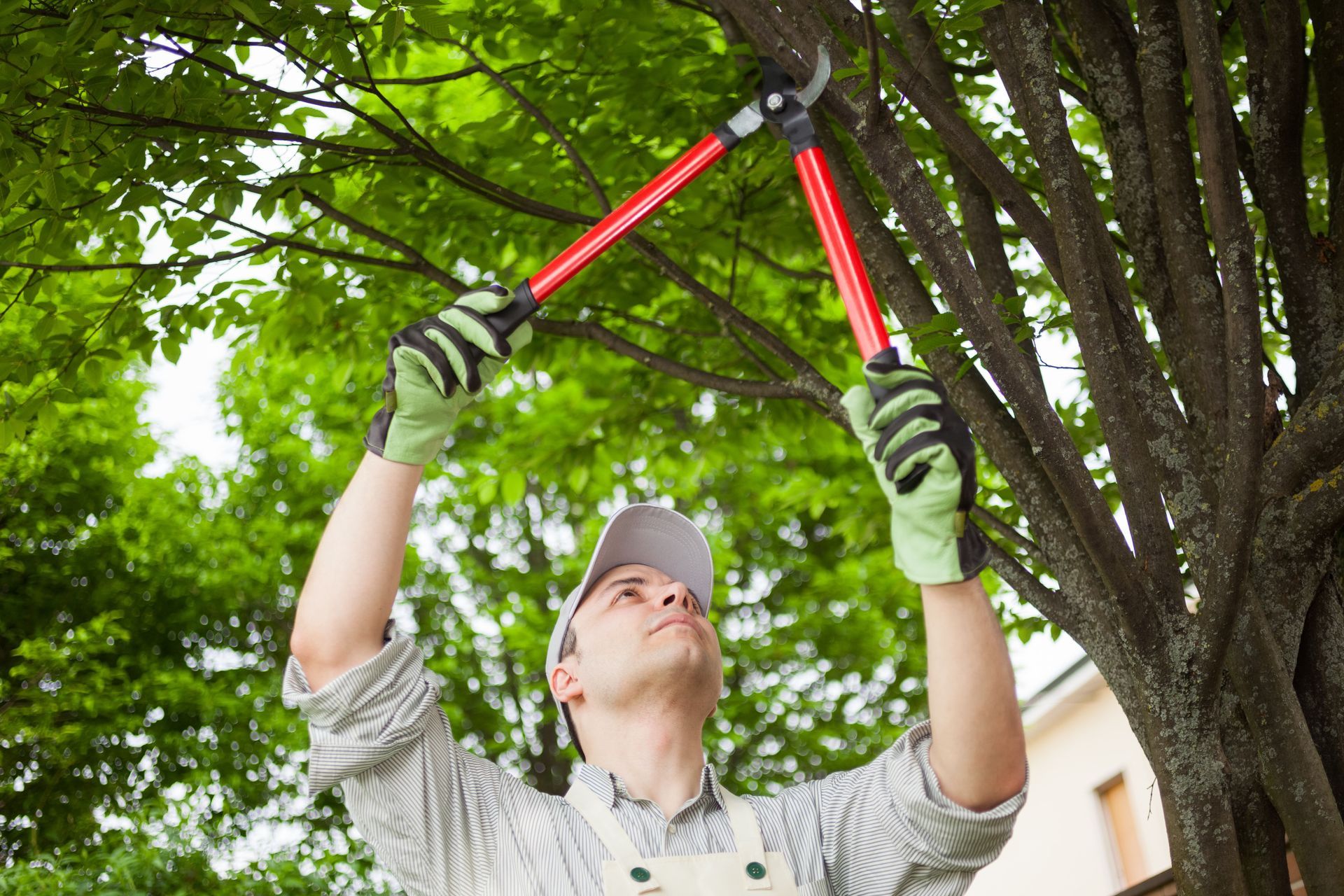
Regular trimming and upkeep are effective preventative measures to minimize the risks associated with dead or falling branches. By removing dead branches early, you can avert potential damage and allow the tree to focus its nutrients on healthy growth. Scheduled maintenance also helps in identifying early signs of diseases or pest issues that might otherwise go unnoticed. This practice is beneficial not only for safety but also for the tree's overall health. Consistent care can prevent small issues from becoming major problems.
2. Visible Roots and Soil Disturbance
Identifying Root Hazards
Visible roots protruding from the soil or showing damage can indicate that a tree's stability is compromised. Healthy root systems anchor trees effectively, but when roots are exposed or damaged, specialized tree root removal might be evaluated to clear dangerous foot traffic hazards or surface obstacles. According to the University of Illinois, up to 95% of a tree's root system lies in the top three feet of soil, illustrating how easily they can be affected by external factors like soil erosion or human activity. Damage to roots is often an early warning sign of potential tree failure. Identifying these hazards early on allows for steps to stabilize the tree and prevent accidents.
Soil Erosion Indicators
Soil erosion around a tree's base can significantly impact its health and stability. Displaced soil may expose roots, diminishing their ability to support the tree and absorb water and nutrients. Erosion can be caused by a variety of factors, including water runoff, wind, and foot traffic. Monitoring these conditions and the tree's reaction to them can help detect potential risks. When exposed subterranean networks compromise paved areas, homeowners often consult certified arborists regarding structural tree root removal options. Erosion serves as a signal that immediate measures, like mulching or installing barriers, might be necessary.
Impact on Infrastructure
The growth and expansion of tree roots can impact nearby structures, such as foundations and pipes. As roots grow in search of moisture, they can cause cracks and destabilization, leading to costly repairs for property owners. When invasive networks undermine driveways or plumbing lines, targeted tree root removal is often required to safeguard underground utilities. The presence of surface roots near structures may indicate a risk to the foundation's integrity, as they can exert pressure. Similarly, pipes can get clogged or damaged due to invasive root systems. Awareness of how trees can impact surrounding structures allows for proactive measures like installing root barriers or performing controlled tree root removal.
3. Trunk Damage or Decay
Spotting Symptoms of Decay
Decay in a tree's trunk is often evidenced by visible signs such as fungi, cavities, and discolored wood. These symptoms, while apparent, indicate underlying health issues that, if unchecked, could lead to structural failure. Fungal growth around the base is concerning, as it typically indicates decay within the trunk or at the roots, making subsequent tree root removal a necessary phase during tree extraction. Cavities can reduce the structural integrity of the tree, making it susceptible to breakage during storms or high winds. Early detection of these symptoms allows for potentially saving the tree or safely planning its removal.
Causes of Trunk Damage
Environmental factors, disease, and human activities can all contribute to trunk damage. Weather events, such as lightning strikes, may physically scar and weaken the trunk. Diseases like canker or rot can permeate the trunk and compromise its structural integrity. Furthermore, physical injuries from incorrect pruning techniques or machinery can expose sensitive tissue to infections. Understanding these causes helps property owners take preventive measures to maintain tree health and structural soundness.
Assessing Stability
Evaluating a tree's structural stability involves inspecting the overall integrity of the trunk as well as checking for signs of weakness. Examine the trunk's surface for any cracks, splits, or bark damage, as these can indicate internal decay. Acoustic tests or resistograph tests conducted by professionals measure density and strength more accurately. Observing any growth anomalies or leaning in the trunk also provides insight into its health. These assessments allow for informed decisions on whether intervention is necessary.
4. Leaning Trees
Determining Whether a Lean is Natural
Not all leaning trees are hazardous; some naturally grow at an angle due to environmental factors or competition for sunlight. Understanding the difference between a natural lean and a dangerous tilt is crucial. A natural lean typically doesn't worsen over time and has evenly distributed growth, with roots and branches compensating for the angle. Trees that develop an acute lean suddenly, particularly after storms, are more concerning. Identifying the nature of the lean helps guide appropriate decisions on management or removal.
Risk Factors for Leaning Trees
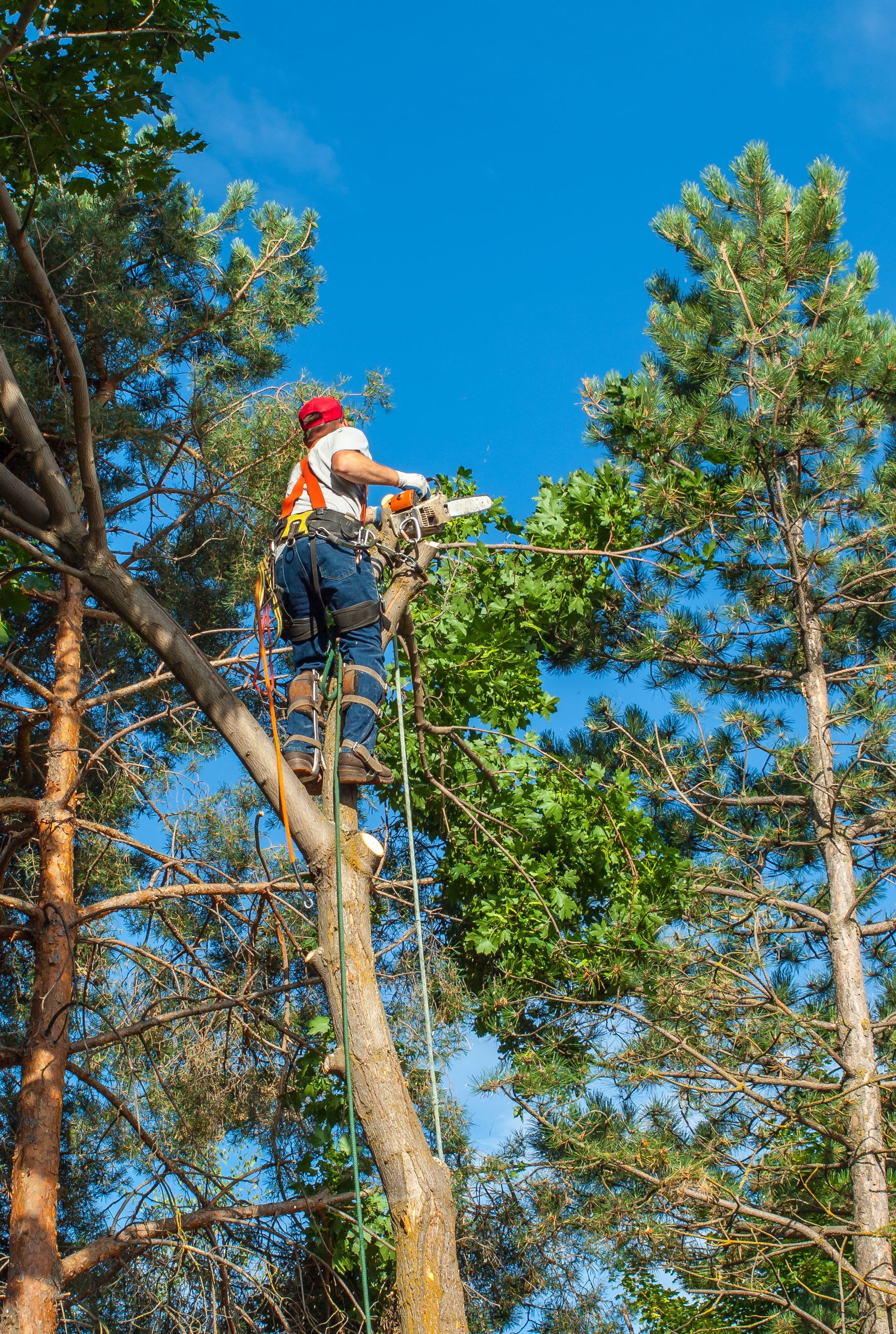
Several factors can exacerbate the risk posed by a leaning tree, including soil conditions, root health, and tree species. Compact or shallow soil, as well as root damage, can contribute to instability and increase the likelihood of a tree falling. Certain trees, like poplars and willows, are more prone to falling due to their less stable root systems, occasionally requiring extensive tree root removal during site remediation. Additionally, the presence of decay or pest infestations can compound the risk. Understanding these factors provides a comprehensive view of potential hazards and facilitates proactive risk management.
Monitoring Changes in Lean
Regular monitoring for changes in a tree's angle is vital to identifying signs of increasing risk. Implementing a simple tracking system can involve using a fixed point, such as a stake or a wall, to measure movement over time. Document these observations, noting any sudden shifts after wind, rain, or other environmental events. This data provides clear indicators of whether a tree's lean is worsening. Responding promptly to any detected changes mitigates potential hazards, especially if uprooted anchor roots necessitate complete tree root removal to clear the area safely.
A potentially hazardous tree is a concern that should not be ignored. By recognizing the signs outlined above, you can take proactive steps to protect your home and loved ones. Whether by performing regular inspections, enlisting professional help, or addressing legal considerations, the goal is to ensure that the trees on your property remain safe and healthy additions to your environment. Trees, while beautiful and essential, require responsible stewardship to mitigate the risks they can present. With vigilance and informed actions, you can enjoy the benefits of your trees while safeguarding your home's integrity—contact the certified arborists at Dillon Tree Service today to schedule a free estimate or professional tree risk assessment.

Share On: