When to Call Tree Removal Services for Leaning Trees
Trees add immense natural beauty, environmental value, shade, and architectural character to residential landscapes. However, mature trees also require ongoing health monitoring and structural evaluations to ensure they do not become hazardous liabilities to surrounding structures, utility corridors, and pedestrians. While many trees naturally develop slight natural angles as they grow toward open sunlight, a sudden or progressive lean often signals underlying root failure, trunk decay, or severe structural instability. Neglecting severe tree lean warnings can result in catastrophic property damage during windstorms, severe electrical disruptions, or dangerous personal safety hazards.
Identifying the critical warning signs that distinguish a benign natural lean from a dangerous structural failure is vital for every property owner. Evaluating root plate integrity, examining trunk decay, understanding replanting guidelines after removal, inspecting soil cracking around tree bases, assessing lean angles relative to property targets, and partnering with certified tree care specialists allow homeowners to protect their real estate investments. Exploring when to seek professional intervention reveals how systematic tree health assessments prevent property damage, preserve surrounding landscape health, and restore total peace of mind to your household.
Assessing Sudden Lean Shifts and Evaluating Root Anchor Integrity
Assessing sudden shifts in a tree's vertical orientation represents the most urgent situation requiring immediate professional arborist evaluation. Trees that lean suddenly after severe thunderstorms, heavy rainfall, or high wind events have suffered structural failure within their root anchor systems. When major structural support roots snap beneath the soil surface, the tree loses its physical anchor, making collapse imminent under its own massive weight.
Homeowners should inspect the soil surrounding the base of a leaning tree for telltale signs of root heave. Look for lifted soil mounds, exposed broken root ends, or deep horseshoe-shaped cracks in the ground on the side opposite the direction of the lean. Sourcing certified tree removal services allows emergency arborists to stabilize or safely remove structurally compromised trees before they fall onto residential homes, parked vehicles, or power lines.
Identifying Severe Trunk Decay and Checking Structural Hollows
Identifying deep trunk decay, fungal conks, or hollow interior cavities along a leaning trunk provides clear evidence that internal structural wood has compromised strength. While healthy trees can withstand moderate leans by forming dense reaction wood along stress points, decaying trees lose their internal tensile strength. When rot breaks down interior heartwood, the leaning trunk acts as a massive lever arm, placing intense pressure on weakened exterior sapwood layers.
Arborists look for large cavities, vertical trunk cracks, oozing sap wounds, or clusters of shelf-like mushrooms growing around the lower trunk and root flare. These fungal fruiting bodies indicate advanced internal decay that hollows out structural support wood invisibly from the inside out. Contracting professional tree removal services ensures that certified technicians utilize specialized rigging gear to dismantle decaying, leaning trees safely without dropping heavy wood sections onto surrounding structures.
Analyzing Replanting Guidelines and Preparing Replacement Soil
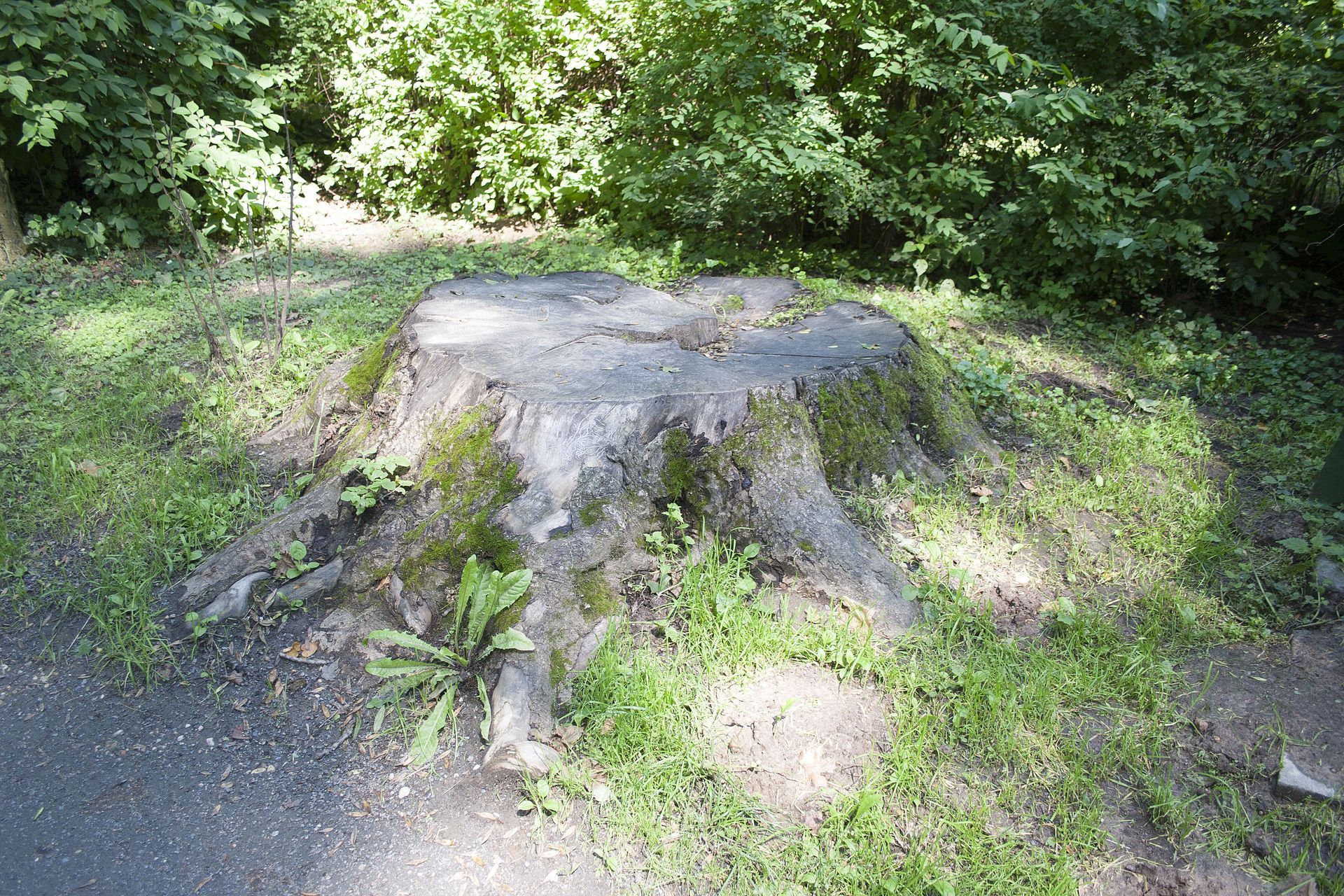
Analyzing proper site restoration techniques after removing a hazardous leaning tree ensures that property owners can revitalize their landscape successfully. Once a massive leaning tree is felled and its stump is ground down, homeowners frequently wish to plant a new, healthy tree in the same general area to restore shade and privacy. However, planting directly over fresh wood chips and decaying root systems starves young saplings of essential nitrogen nutrients.
Following proper agricultural guidelines helps property owners transition from hazardous tree removal to successful replanting. According to HomeGuide, you can plant a tree where a stump was removed if you prepare the soil properly and place the new tree at least three to four feet away to avoid remaining roots. Engaging reliable tree removal services guarantees comprehensive stump grinding, wood chip removal, and soil preparation support to set your new landscape trees up for healthy, vibrant growth.
Inspecting Soil Cracking Patterns and Watching Ground Movement
Inspecting soil movement around the root zone during windy conditions offers a vital diagnostic indicator of active root plate lifting. When a leaning tree is on the verge of complete uprooting, strong winds cause the entire root ball to shift back and forth in the ground. Homeowners can observe this dangerous instability by watching whether the soil mound at the base of the tree rises and sinks as gusts push against the canopy.
Cracked soil beds that continuously widen or sink indicate that fine feeder roots and major taproots have separated from surrounding soil particles completely. A tree exhibiting active root plate movement possesses zero remaining anchor strength and can collapse unexpectedly even during calm weather. Sourcing specialized tree removal services provides fast emergency response teams equipped with heavy crane systems to lift unstable, soil-sheared trees away from homes safely.
Evaluating Target Hazards and Calculating Fall Impact Zones
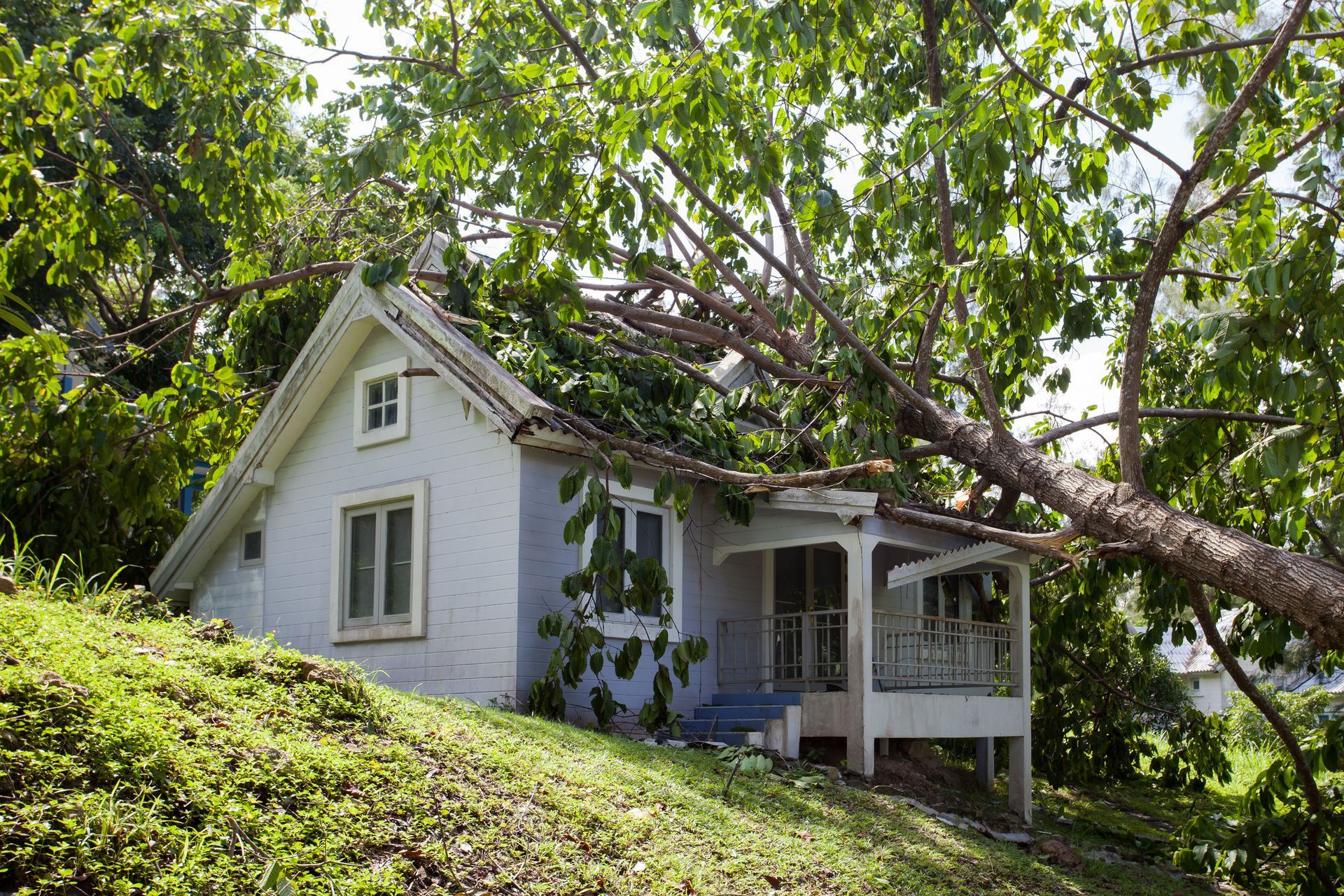
Evaluating potential target hazards within the fall radius of a leaning tree determines the urgency of necessary removal actions. Arborists define a target hazard as any high-value property feature, public utility line, driveway, or outdoor living space situated within the potential impact zone if a leaning tree fails. A leaning tree located in a remote woodland area poses minimal risk, whereas the same leaning tree situated over a bedroom roof demands immediate mitigation.
Homeowners must measure the height of the leaning tree and map out a complete circle around its base to identify all potential impact targets. If the tree leans heavily toward a neighbor's property, overhead electrical wires, or a child's play area, the risk factor increases dramatically. Scheduling an evaluation with experienced tree removal services allows property managers to address dangerous directional leans before severe weather causes costly property damage.
Recognizing the early warning signs of dangerous tree lean represents an essential responsibility for maintaining property safety, protecting home structures, and preserving landscape value. Continuing to ignore sudden lean shifts, soil heaving, visible trunk decay, or active root plate movement invites catastrophic property damage and severe personal safety risks during unexpected storms. By evaluating root anchor integrity, inspecting soil cracking patterns, calculating target hazard zones, and adhering to proper replanting guidelines, property owners take proactive control of their landscape environments. Furthermore, understanding proper soil preparation after stump removal ensures that young replacement trees thrive far away from old root systems. Working alongside certified, experienced tree care professionals guarantees precision rigging, heavy crane management, and safe tree extraction that protects your lawn, home, and surrounding utility infrastructure.
At Dillon Tree Service, we are deeply committed to protecting your property, eliminating dangerous tree hazards, and delivering superior tree care solutions through master arborist craftsmanship, specialized rigging technology, and dedicated customer service. Our team of certified tree care specialists brings extensive hazard evaluation experience, emergency tree removal, crane-assisted dismantling, stump grinding, canopy pruning, storm damage clearance, land clearing, site restoration, and meticulous attention to detail to every residential property call, commercial site clearance, emergency storm response, leaning tree evaluation, and professional tree removal services request we execute across our community. We take immense pride in evaluating your landscape's unique structural safety, analyzing tree health dynamics, guiding you through hand-selected removal or pruning options, and serving as your trusted arborist partner to bring total safety assurance, landscape beauty, and enhanced property equity to your home. Furthermore, our business prioritizes clear communication, transparent written estimates, immaculate jobsite cleanup, and exceptional service performance from initial site inspection through final stump grinding walkthrough. We carefully inspect every rigging line, drop zone boundary, soil condition, and surrounding structure to guarantee maximum operational safety, code compliance, and complete homeowner satisfaction. Contact us today to schedule your comprehensive tree inspection and discover the true value of working with dedicated local arborist specialists.

Share On: