The Role of Tree Risk Assessments in Preventing Property Damage
Trees add beauty, shade, and value to residential and commercial properties, but they can also create safety concerns when their condition begins to decline. Damaged branches, unstable trunks, weakened roots, and certain types of disease may increase the possibility of falling limbs or entire trees. These problems are not always easy to recognize, especially when warning signs develop gradually or remain hidden beneath the soil. A tree risk assessment helps property owners identify potential hazards before they result in damage to buildings, vehicles, landscaping, or outdoor structures. Working with an experienced tree company can provide valuable insight into the condition of trees and the maintenance they may require. Rather than waiting for a storm or visible failure to reveal a problem, property owners can take a proactive approach to tree care. Regular evaluations also help determine which trees can be maintained through pruning and which may require more extensive attention.
Identifying Early Warning Signs
A tree may show signs of structural weakness long before a major branch breaks or the trunk begins to fail. Cracks in the trunk, dead limbs, unusual leaning, and areas of decay can indicate that a tree needs closer examination. Some warning signs are visible from the ground, while others require a more detailed inspection by a trained professional. A tree company can evaluate these conditions and help determine whether they present an immediate or developing concern. This assessment may include examining the trunk, branch attachments, root area, and overall growth pattern. Identifying problems early gives property owners more time to consider appropriate maintenance options. It can also help prevent small concerns from becoming emergencies during severe weather. Consistent attention to visible changes is an important part of maintaining a safer landscape.
Evaluating Root System Stability
A tree's root system plays an essential role in supporting its weight and keeping it anchored in the ground. When roots become damaged, diseased, or exposed, the tree may become less stable over time. Construction projects, soil excavation, heavy equipment, and changes in drainage can all affect root health. A professional evaluation can help identify signs of root disturbance, including raised soil, exposed roots, and changes in the tree's position. An experienced tree company can also consider surrounding conditions that may affect how securely a tree is anchored. This is particularly important for large trees located near homes, driveways, fences, and other structures. Addressing root-related concerns may involve adjusting landscaping practices or recommending additional tree care. Understanding the condition of the root system helps property owners make informed decisions about potential hazards.
Assessing Branch and Limb Conditions
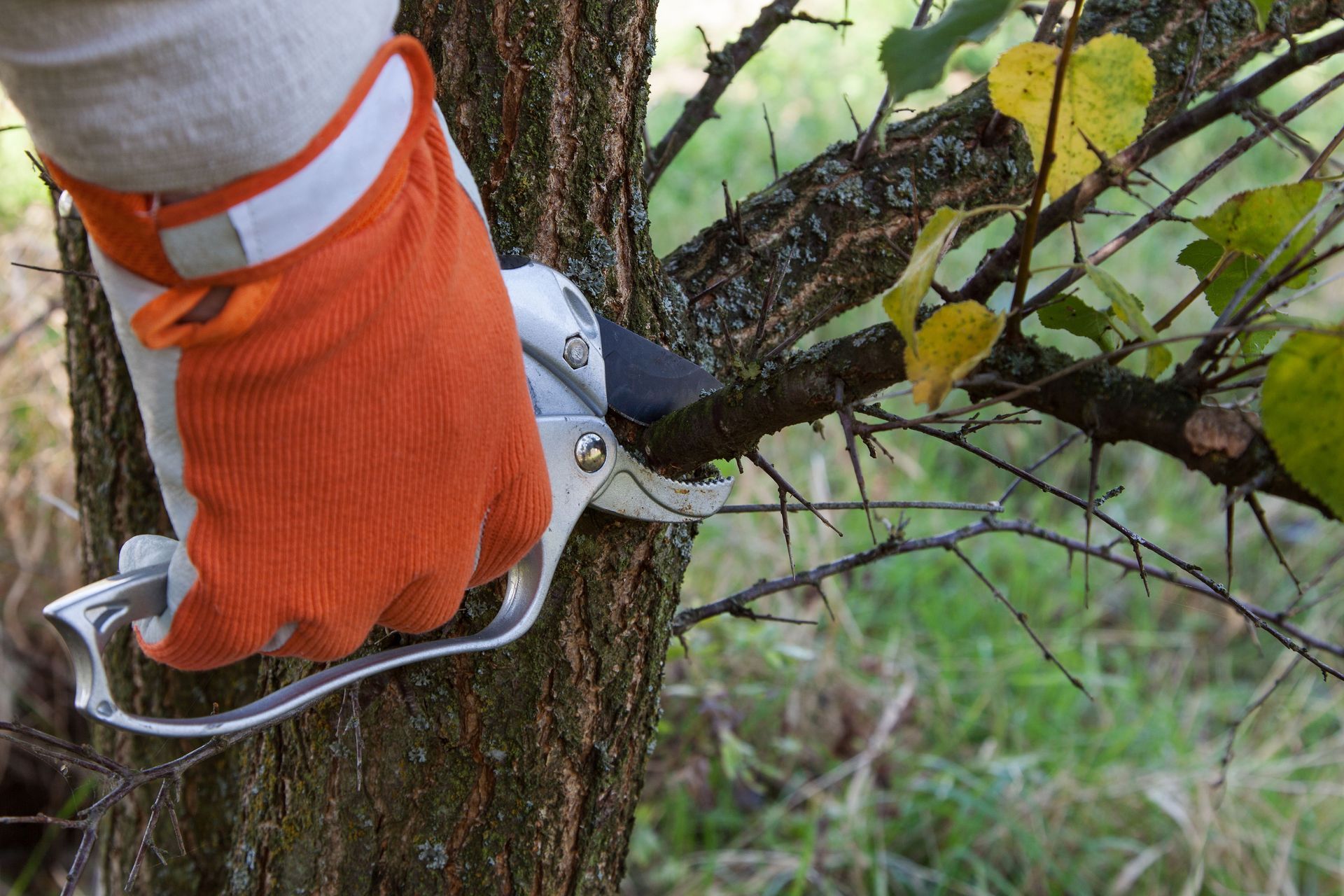
Branches extending over roofs, walkways, parking areas, and outdoor living spaces can become a concern when they are damaged or poorly attached. Deadwood, excessive growth, and weak branch connections may increase the possibility of limbs breaking under pressure. Heavy rain, strong winds, and accumulated ice can place additional stress on vulnerable branches. During an assessment, a tree company can examine the canopy and identify limbs that may require pruning or removal. This process also helps distinguish between healthy growth and branches that present a potential hazard. Proper pruning can improve the tree's structure while reducing the likelihood of falling debris. Removing selected limbs may also help prevent branches from rubbing against roofs, siding, or utility lines. Maintaining a balanced canopy supports healthier growth and helps reduce avoidable property risks.
Recognizing Disease and Decay
Tree diseases and internal decay can weaken important structural areas without creating obvious external damage. Fungal growth, unusual leaf discoloration, thinning foliage, and cavities may indicate that a tree is experiencing health problems. However, these symptoms do not always reveal how extensive the damage may be. A tree company can examine visible symptoms and determine whether additional evaluation or treatment is appropriate. Recognizing disease early may allow property owners to explore maintenance options before the tree's condition becomes more serious. Some trees may benefit from targeted care, while others may have significant structural deterioration that requires removal. The surrounding landscape should also be considered because certain pests and diseases can affect nearby trees. Monitoring tree health helps protect the broader property while supporting the long-term condition of the landscape.
Preparing Trees for Severe Weather
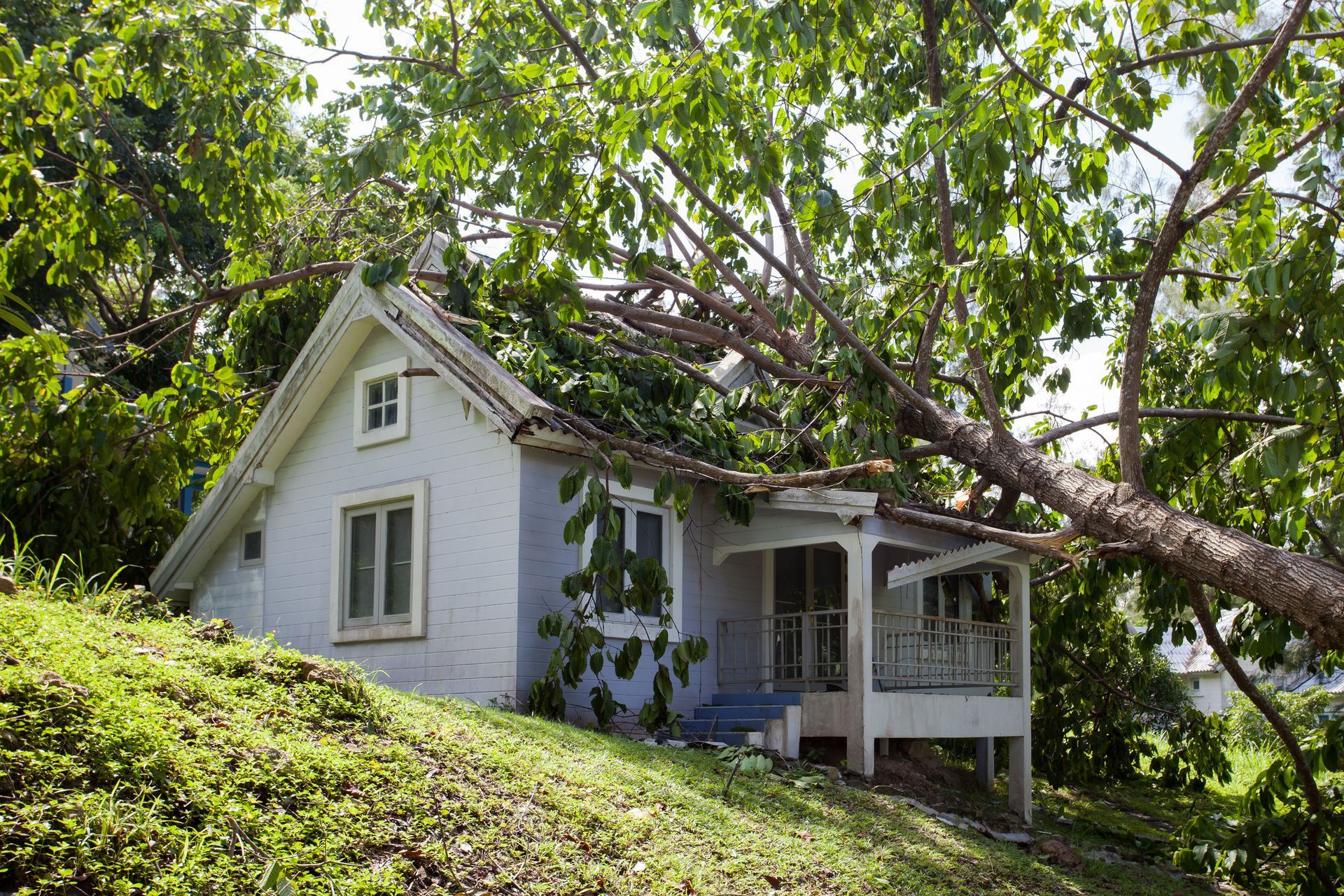
Storms can place considerable pressure on trees, particularly those with weakened branches, damaged trunks, or compromised root systems. Strong winds may cause poorly attached limbs to break, while saturated soil can make unstable trees more vulnerable to falling. According to IBISWorld, the tree trimming industry is valued at $26 billion in 2026, reflecting the substantial demand for professional tree maintenance services. This industry activity highlights the importance of routine care, especially when property owners need to prepare landscapes for changing weather conditions. A professional assessment can identify trees that may require attention before storms arrive. Recommended work may include removing dead branches, correcting certain structural issues, or addressing trees with significant instability. A tree company can help prioritize concerns based on the tree's condition and its proximity to buildings or frequently used areas. Taking preventive steps before severe weather may reduce the likelihood of unexpected damage.
Protecting Buildings and Outdoor Structures
Trees growing close to buildings can create several property concerns when their branches or roots become overgrown. Limbs may extend across roofs, scrape against siding, or interfere with gutters and other exterior features. In some situations, roots may affect walkways, driveways, retaining walls, or underground infrastructure. A tree company can evaluate the relationship between existing trees and nearby structures to identify areas that need attention. This does not mean every tree growing near a building must be removed. Strategic pruning and appropriate maintenance may provide enough clearance to reduce certain risks. Property owners should also consider how trees may grow over time rather than focusing only on their current size. Regular assessments help maintain suitable spacing and reduce the chance of preventable damage to surrounding improvements.
Planning Appropriate Maintenance
A tree risk assessment provides more value when its findings are used to establish a practical maintenance plan. Different trees have different needs depending on their species, age, location, health, and growing conditions. Some may require occasional pruning, while others need closer monitoring because of previous damage or signs of decline. A qualified tree company can explain the recommended work and help property owners understand which concerns deserve priority. This guidance can also prevent unnecessary cutting that may negatively affect a healthy tree. Scheduling maintenance at appropriate times can support better growth and reduce the accumulation of hazardous deadwood. Property owners should keep track of previous inspections and any changes observed between visits. A consistent maintenance plan makes tree care more organized and helps reduce the likelihood of overlooked problems.
Supporting Safer Property Management
Trees are long-term landscape features, so their condition should be considered as part of regular property maintenance. An assessment can help homeowners, landlords, and commercial property managers understand which trees present potential hazards and what steps may be appropriate. A tree company can document visible concerns, explain recommended maintenance, and help establish priorities for future work. This information can be particularly useful for properties with mature trees near parking spaces, pedestrian routes, outdoor seating, or neighboring buildings. Regular evaluations also encourage property owners to pay attention to changes following construction, landscaping projects, and severe weather. Although no assessment can eliminate every possibility of tree failure, identifying known concerns can support better planning. Maintaining healthy trees while addressing potential hazards helps create a more manageable outdoor environment. Proactive care can also reduce the disruption associated with emergency tree work after unexpected damage occurs.
Tree risk assessments help property owners recognize developing concerns before they lead to costly damage or safety issues. Evaluating roots, branches, trunks, and overall tree health provides a clearer understanding of which maintenance steps may be necessary. Regular attention is especially important for mature trees located near homes, driveways, walkways, and outdoor structures. With knowledgeable guidance, property owners can make informed decisions about pruning, monitoring, and removal when necessary.
Dillon Tree Service can help you evaluate your property's trees and determine the appropriate care for your landscape. Contact us to discuss a tree assessment and take proactive steps toward protecting your property.

Share On: