The Importance of Tree Trimming for Residential and Urban Areas
The presence of well-maintained trees in residential and urban areas significantly enhances the quality of life and environmental health. Trees contribute to aesthetics and provide vital benefits like improving air quality and offering shade. Regular tree trimming is a crucial part of tree maintenance, ensuring that these benefits are realized while preventing potential hazards. In urban settings, proper tree maintenance supports safe and attractive community spaces.
1. Enhancing Safety and Preventing Hazards
A. Reducing the Risk of Falling Branches
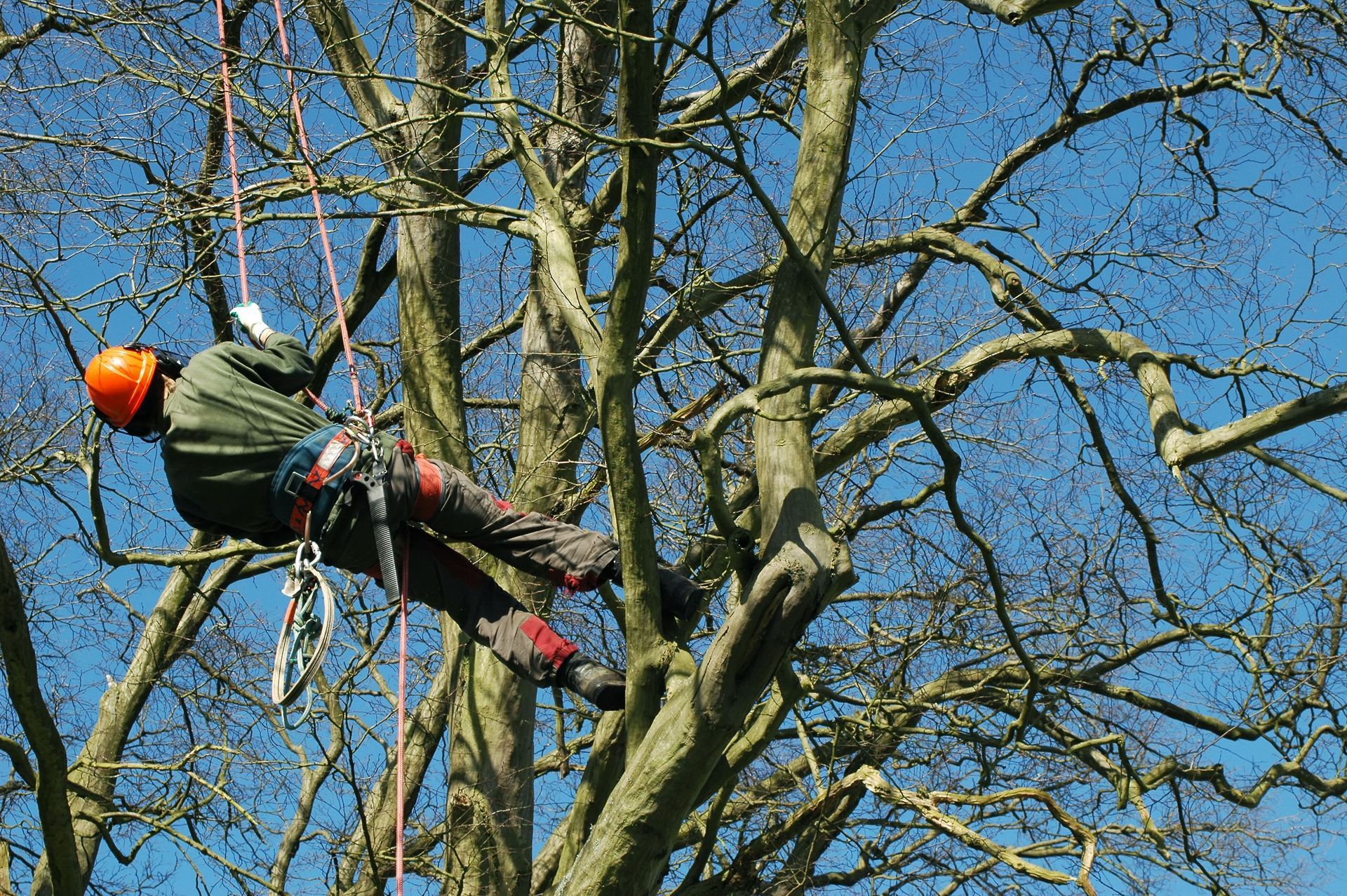
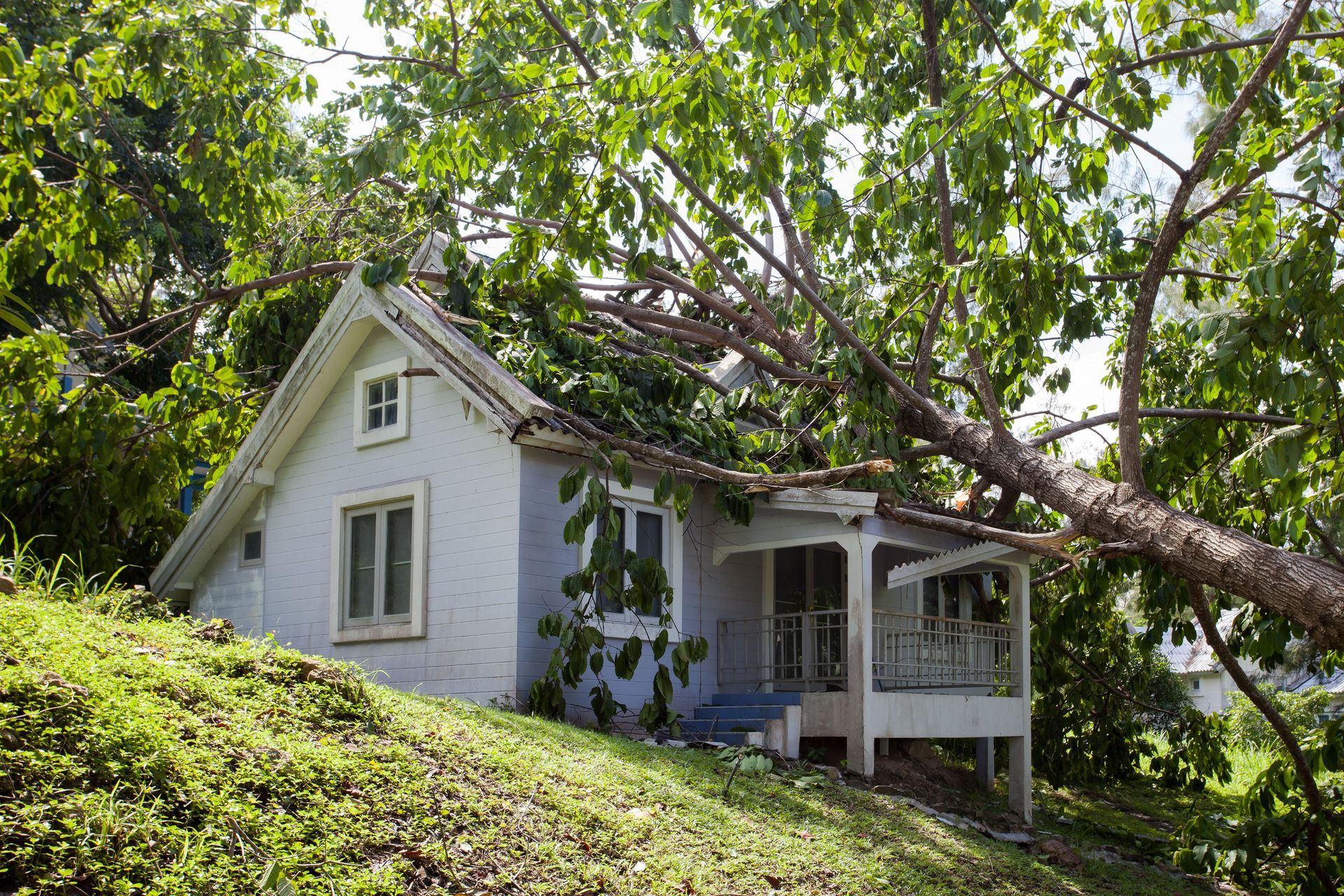
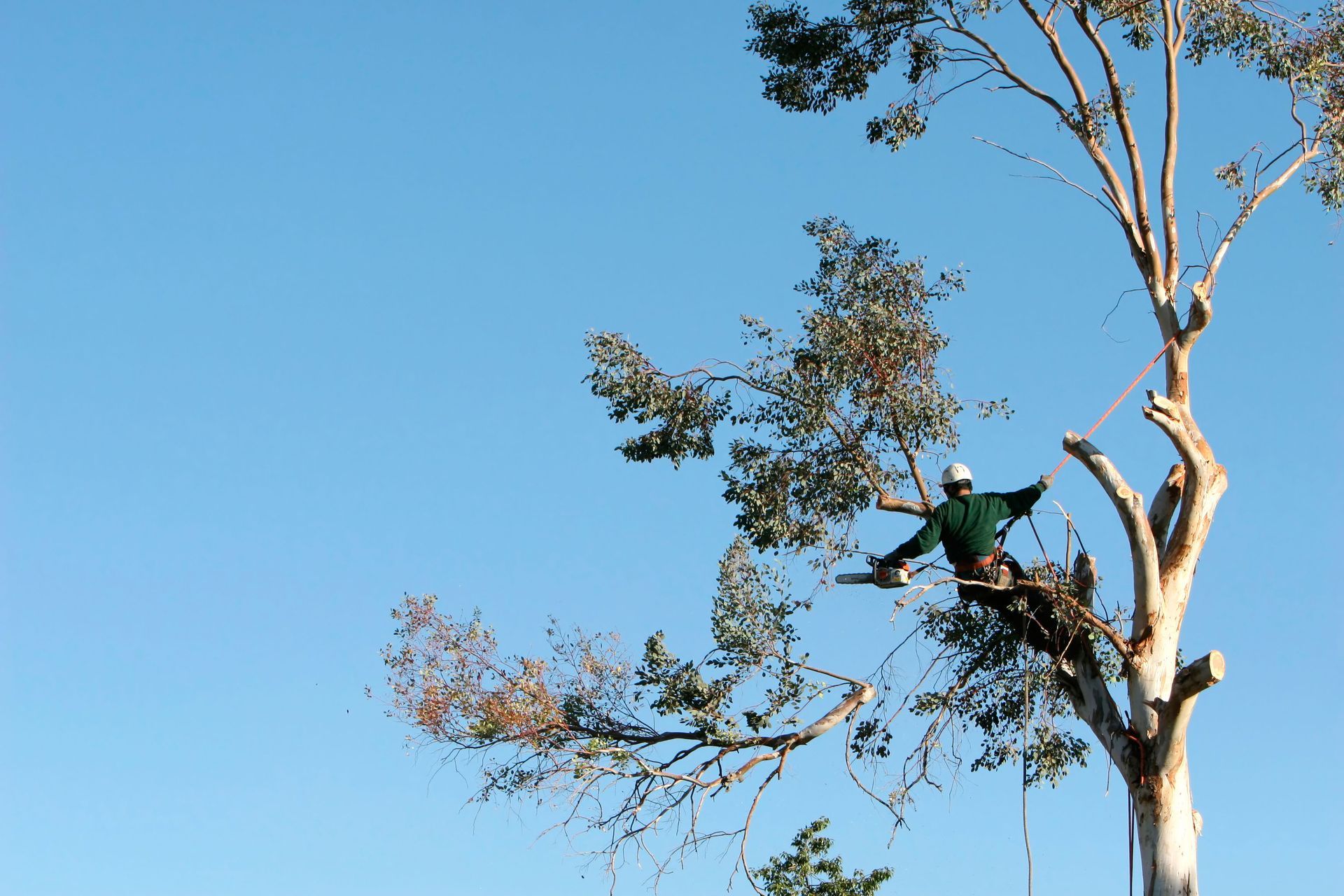
Tree branches can pose significant safety risks, especially during storms when strong winds can cause them to fall unexpectedly. Regular trimming helps to preemptively remove any weak or dead branches that are susceptible to breaking. By eliminating potential hazards early, homeowners can prevent damage to property and reduce the risk of injury to people and pets. In urban areas, municipal workers often conduct tree inspections and carry out trimming to maintain public safety. Preventative measures like trimming can reduce emergency services' response needs during stormy weather.
B. Preventing Tree-Related Accidents
Trees growing too close to power lines can interrupt service or cause fires, posing severe risks. According to HomeGuide, the electric utility company is responsible for trimming trees near power lines, according to federal law in the Energy Policy Act of 2005. This law underscores the importance of regular tree maintenance to prevent infrastructure damage and outages. Proper trimming helps to maintain a safe distance between branches and electrical wires, reducing the chance of power interruptions and enhancing reliability. Regular assessments allow for timely interventions, ensuring power continuity without compromising safety.
C. Improving Visibility for Traffic
In urban settings, tree trimming plays a vital role in maintaining clear sightlines for drivers at intersections and along roadways. Overgrown branches can obstruct traffic signals and signage, making it difficult for drivers to navigate safely. Trimming branches improves visibility, which can reduce the likelihood of traffic accidents. Municipalities often engage in routine tree maintenance to ensure that roads are safe for all users, including pedestrians and cyclists. By keeping trees well-trimmed, cities create safer, more navigable urban environments.
D. Mitigating Fire Hazards
Regular tree trimming is an essential component of fire hazard mitigation, particularly in areas prone to drought and wildfires. Overgrown limbs and dense canopies can provide fuel for fires, making it easier for flames to spread. Trimming helps minimize fuel loads by removing deadwood and thinning dense areas, reducing the risk of fires reaching houses and other structures. In urban areas, fire departments often collaborate with city planners to integrate tree maintenance into fire prevention strategies. Residents can also contribute by keeping their property well-maintained through regular pruning practices.
E. Protecting Buildings and Infrastructure
Tree roots can cause significant damage to sidewalks, driveways, and even building foundations if they are not properly managed. Through careful trimming and root management, property owners can prevent serious structural damage. This proactive approach can save substantial repair costs over time by maintaining the integrity of infrastructure. In urban settings, city workers trim trees to protect public walkways and utilities, ensuring the smooth operation of urban systems. Regular trimming supports both the health of the trees and the long-term resilience of the built environment.
2. Promoting Healthy Tree Growth
A. Eliminating Diseased or Infested Branches
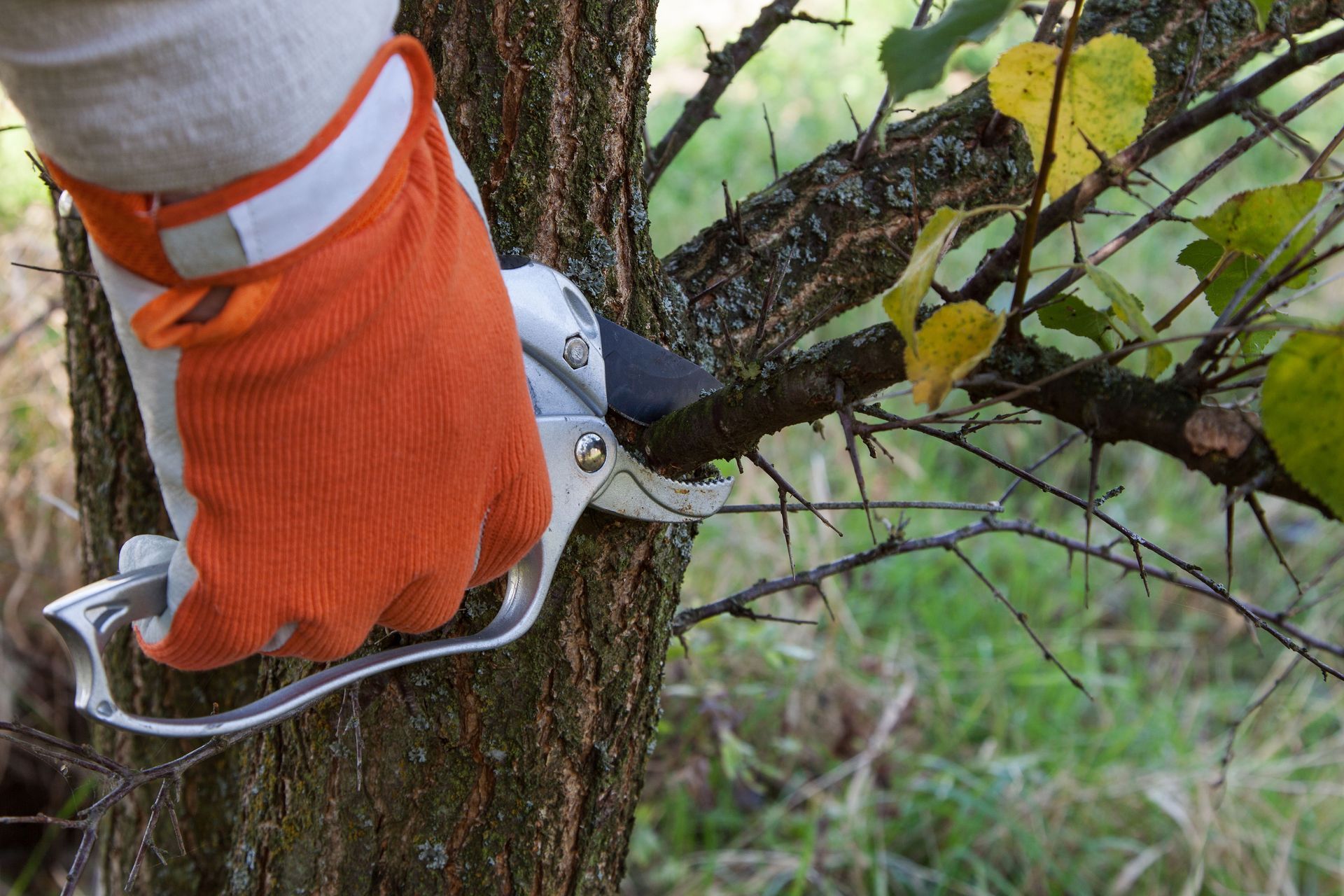
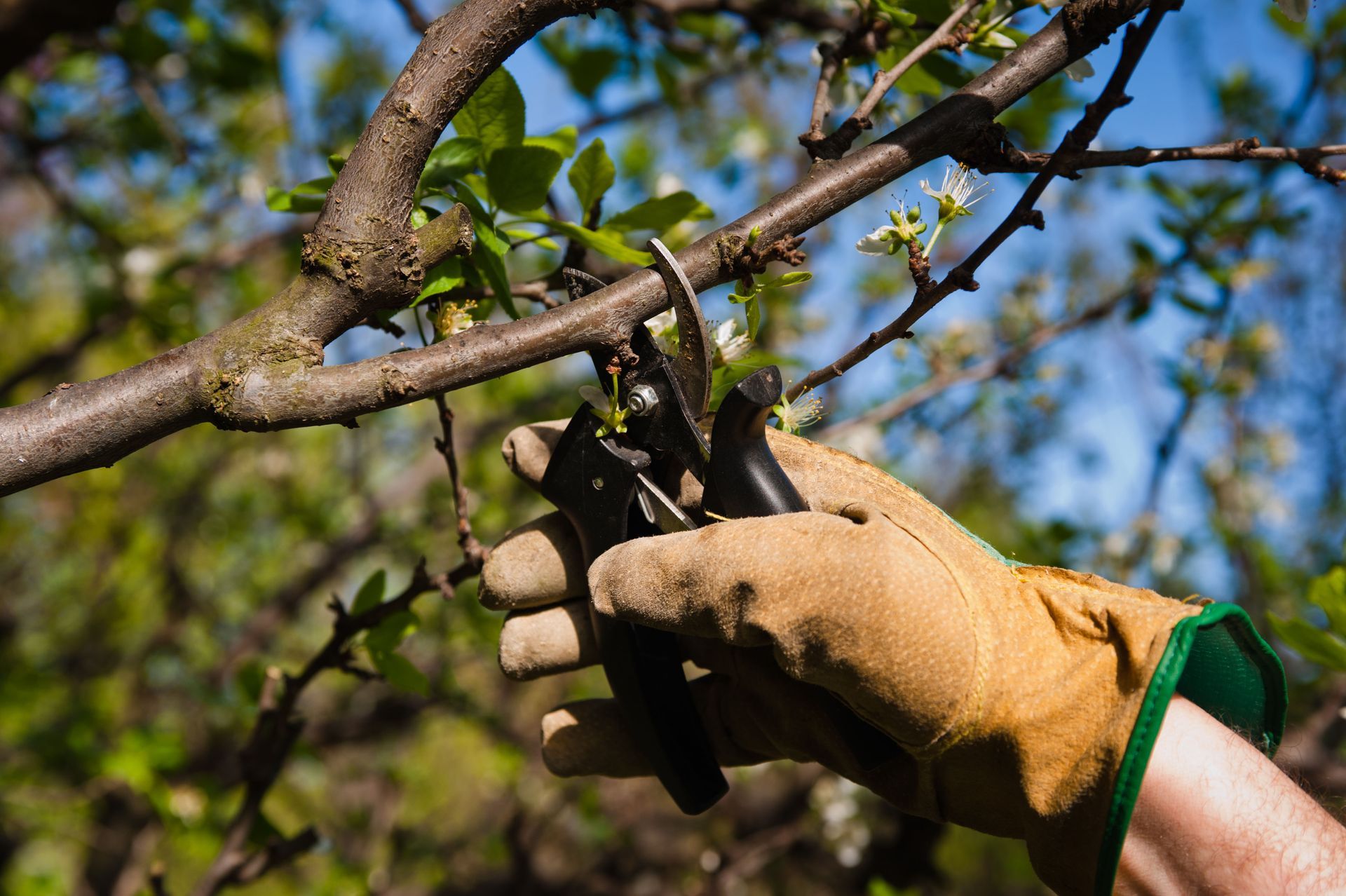
Trimming is critical to maintaining tree health by removing diseased or insect-infested branches. These problematic branches, if not addressed, can compromise the entire tree's health by spreading disease or attracting pests. Regular trimming allows arborists to spot early signs of problems and intervene before they escalate. This approach is essential in urban areas where tree health directly affects property value and community aesthetics. Healthy trees also attract more wildlife, supporting broader ecological balance.
B. Enhancing Sunlight Exposure
Proper sunlight exposure is fundamental to a tree's growth and vitality, and trimming helps ensure that sunlight reaches all parts of the tree. Overcrowded branches can block light, hindering photosynthesis, which is crucial for tree health. Regular trimming opens up the canopy, allowing for better light distribution across the tree. This promotes vigorous growth and flowering, enhancing the tree's overall appearance and ecological function. In residential areas, homeowners benefit from fuller, healthier trees that contribute to their landscape’s beauty.
C. Encouraging New Growth and Flowering
Strategic trimming can stimulate a tree's growth by encouraging new branches and blooms. By removing dead or overgrown limbs, resources can be redirected to parts of the tree that need them most. This process supports robust flowering and fruit production, making trees more visually appealing and increasing biodiversity. Urban planners often consider these factors when integrating trees into city landscapes, ensuring trees contribute positively to the urban ecosystem. Regular trimming sustains the trees’ ability to provide shade and natural beauty.
3. Conserving and Improving Aesthetic Appeal
A. Creating Attractive Landscapes
Well-maintained trees are integral to crafting beautiful landscapes, whether in private gardens or public parks. Regular trimming keeps trees looking neat and well-proportioned, adding to the landscape's charm. This enhancement of natural beauty attracts residents and visitors and encourages outdoor activities. In urban areas, attractive greenery contributes to a city’s identity by improving streetscapes. Homeowners also gain a sense of pride and satisfaction from their beautifully landscaped properties.
B. Boosting Property Values
The presence of healthy, well-maintained trees is a notable factor in increasing property values. Prospective buyers are often attracted to properties with established, attractive landscaping that includes healthy trees. Real estate studies consistently show that properties with mature trees sell faster and at higher prices. Municipal efforts in urban areas to maintain street trees have been shown to positively impact nearby property values. As landscapes mature, so does their contribution to the community's overall prosperity.
C. Reducing Unwanted Plant Growth
Regular trimming is an effective method for controlling unwanted plant growth, including invasive species. Trees compete with these species for resources, and pruning helps ensure that desirable plants have the conditions needed to thrive. This practice supports a balanced ecosystem by promoting native vegetation over invasive plants. In urban settings, municipalities often manage public green spaces to encourage native biodiversity, utilizing tree trimming as a primary tool. By maintaining healthy trees, both residential property owners and city planners can protect local ecosystems.
4. Supporting Environmental Benefits
A. Enhancing Carbon Absorption
Trees play a critical role in mitigating climate change by absorbing carbon dioxide from the atmosphere. Regular trimming ensures that trees remain healthy and continue to grow, which maximizes their carbon absorption capabilities. This environmental function contributes significantly to improving air quality and reducing greenhouse gases. In urban areas, maintaining a healthy tree canopy plays a substantial part in city efforts to combat climate change. By investing in tree trimming, communities can enhance their sustainability objectives and promote environmental health.
B. Increasing Wildlife Habitats
Healthy trees provide essential habitats for various wildlife species, supporting biodiversity in urban environments. Regular trimming ensures that trees remain robust and can support nests for birds, breeding grounds for insects, and refuges for small mammals. Urban ecosystems benefit from this diversity, as it contributes to ecological resilience and natural pest control. City planners often integrate tree maintenance into biodiversity programs, encouraging a balanced coexistence of human and wildlife populations. By fostering habitats through tree care, urban areas enhance their environmental richness.
C. Improving Urban Air Quality
Trees contribute to cleaner air by filtering pollutants and particulate matter from urban environments. Well-maintained trees are more efficient in this process as they have more healthy leaves per branch to capture and break down air pollutants. Trimming helps keep trees in optimal condition, ensuring they provide maximum air purification benefits. This function is particularly vital in densely populated cities where air quality can significantly impact public health. By prioritizing tree maintenance, urban areas can improve the environment and contribute to residents’ health and well-being.
Regular tree trimming is critical to maintaining safe, healthy, and beautiful residential and urban environments. The practice helps mitigate safety hazards, promote tree vitality, boost aesthetic appeal, support ecosystem services, and foster community engagement. Tree trimming enhances the symbiotic relationship between urban development and natural landscapes, underscoring the importance of proactive maintenance. By investing in tree care, communities can sustainably manage their green spaces for current and future generations. Ultimately, regular trimming is a vital component of comprehensive stewardship, benefiting individuals and communities alike. For more information, contact Dillon Tree Service today.

Share On: