The Long-Term Benefits of Investing in Professional Tree Services
Trees add beauty, shade, and value to properties, but they also require professional care to ensure their health, safety, and longevity throughout decades of growth and seasonal changes. Many property owners attempt DIY tree work or hire unqualified services to save money, not realizing the long-term costs that improper care creates through damaged trees, safety hazards, and diminished property values. Understanding the lasting benefits that professional tree services provide helps homeowners recognize why expert care represents a wise investment rather than an unnecessary expense that budget-conscious owners can safely eliminate. The difference between trees that thrive for generations and those that decline prematurely or create hazards often comes down to whether they receive proper professional attention or suffer from neglect and amateur treatment. Learning what professional services offer beyond just cutting branches reveals how comprehensive tree care protects property investments, ensures safety, maintains aesthetics, and preserves the environmental and financial benefits that healthy trees provide throughout their lifespans.
Preventing Property Damage Through Proper Maintenance
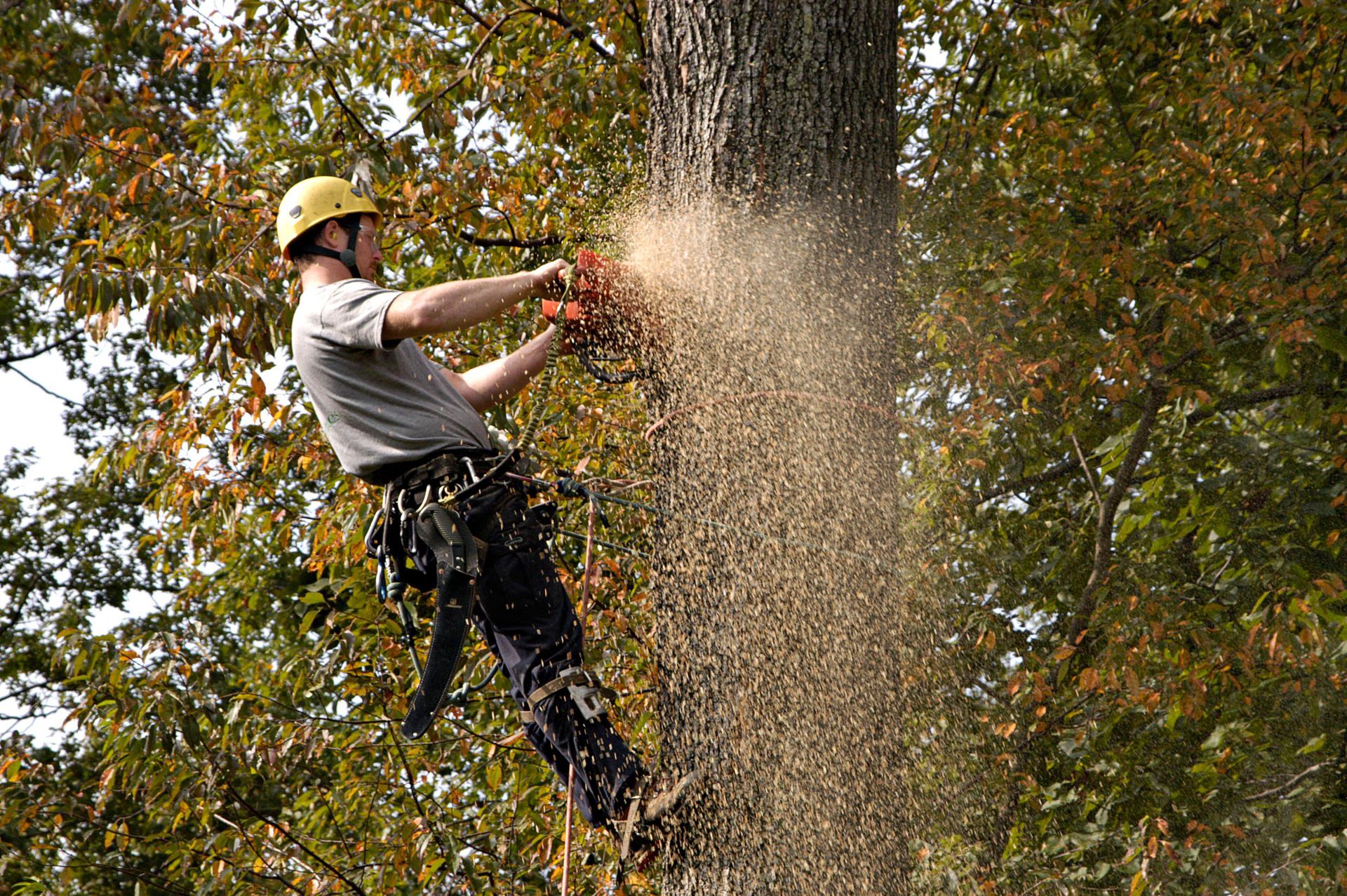
According to the Texas Department of Insurance, tree trimmers should maintain a distance of at least 10 feet from overhead lines. Regular professional trimming removes dead, diseased, or structurally weak branches before they fall and damage roofs, vehicles, fences, or power lines during storms or high winds. Qualified tree companies identify hazards that untrained observers miss, including internal decay, insect damage, and structural defects that create failure risks despite healthy external appearances. Preventive removal of problematic branches costs far less than repairing the damage that falling limbs cause to homes, cars, and other property when neglected trees fail during weather events. The investment in routine professional maintenance prevents the catastrophic expenses and disruption that emergency tree damage creates when branches or entire trees fall on structures, requiring urgent removal along with repairs to whatever they've damaged during failures that proper care would have prevented.
Well-maintained trees significantly increase property values, with mature specimens adding thousands to home prices while poorly maintained or hazardous trees decrease values and deter potential buyers. Professional shaping and health maintenance create attractive landscapes that enhance curb appeal and make properties more desirable in competitive real estate markets where appearance influences buyer decisions. Diseased or declining trees signal neglected properties, raising buyer concerns about overall maintenance and potentially hiding serious problems behind cosmetic issues that untended landscaping creates. The return on investment that professional tree care from reputable tree companies provides through increased property values and improved marketability often exceeds service costs, making tree maintenance financially justified through both use enjoyment and the enhanced resale values that attractive, healthy landscapes command in residential real estate markets.
Ensuring Safety for People and Structures
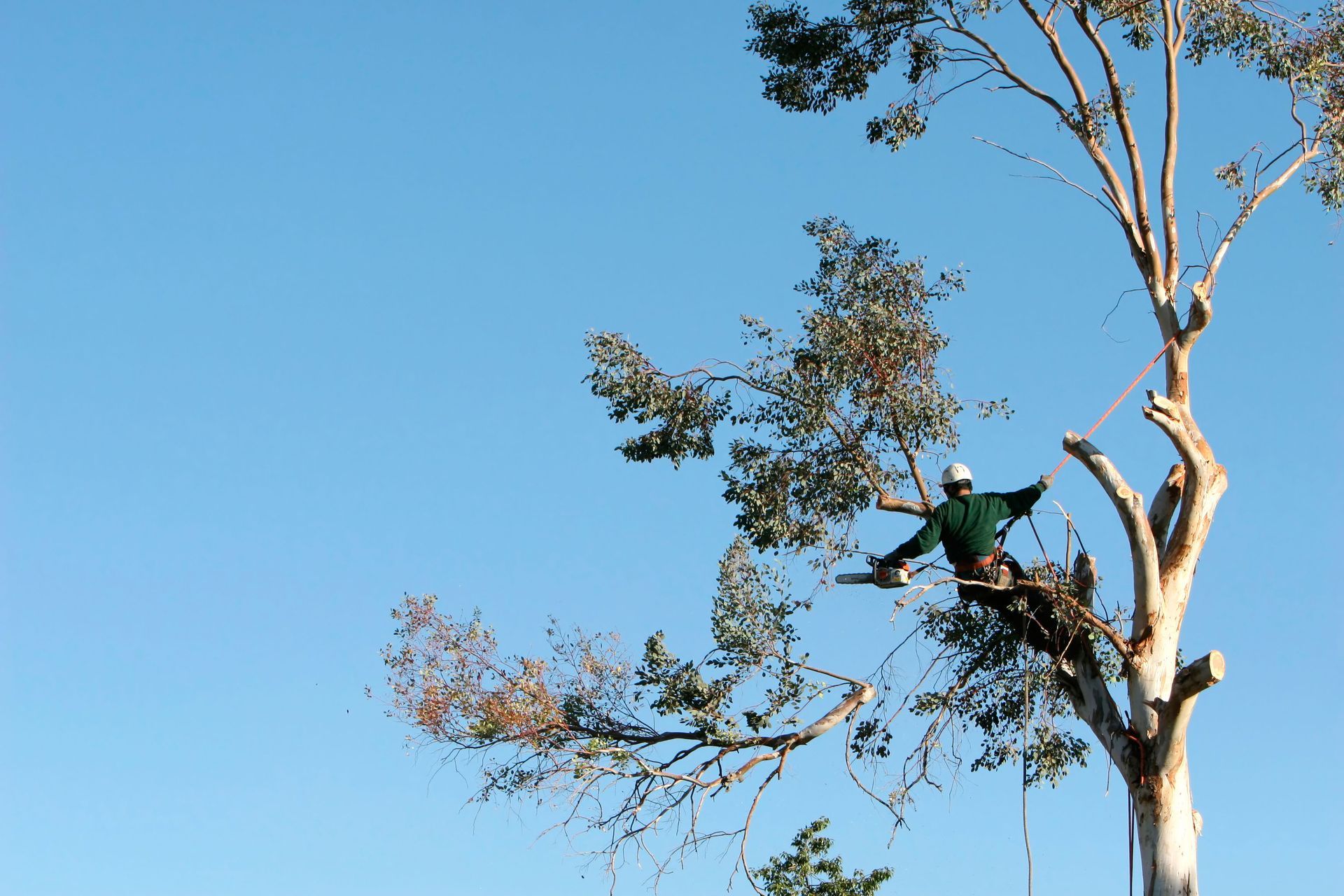
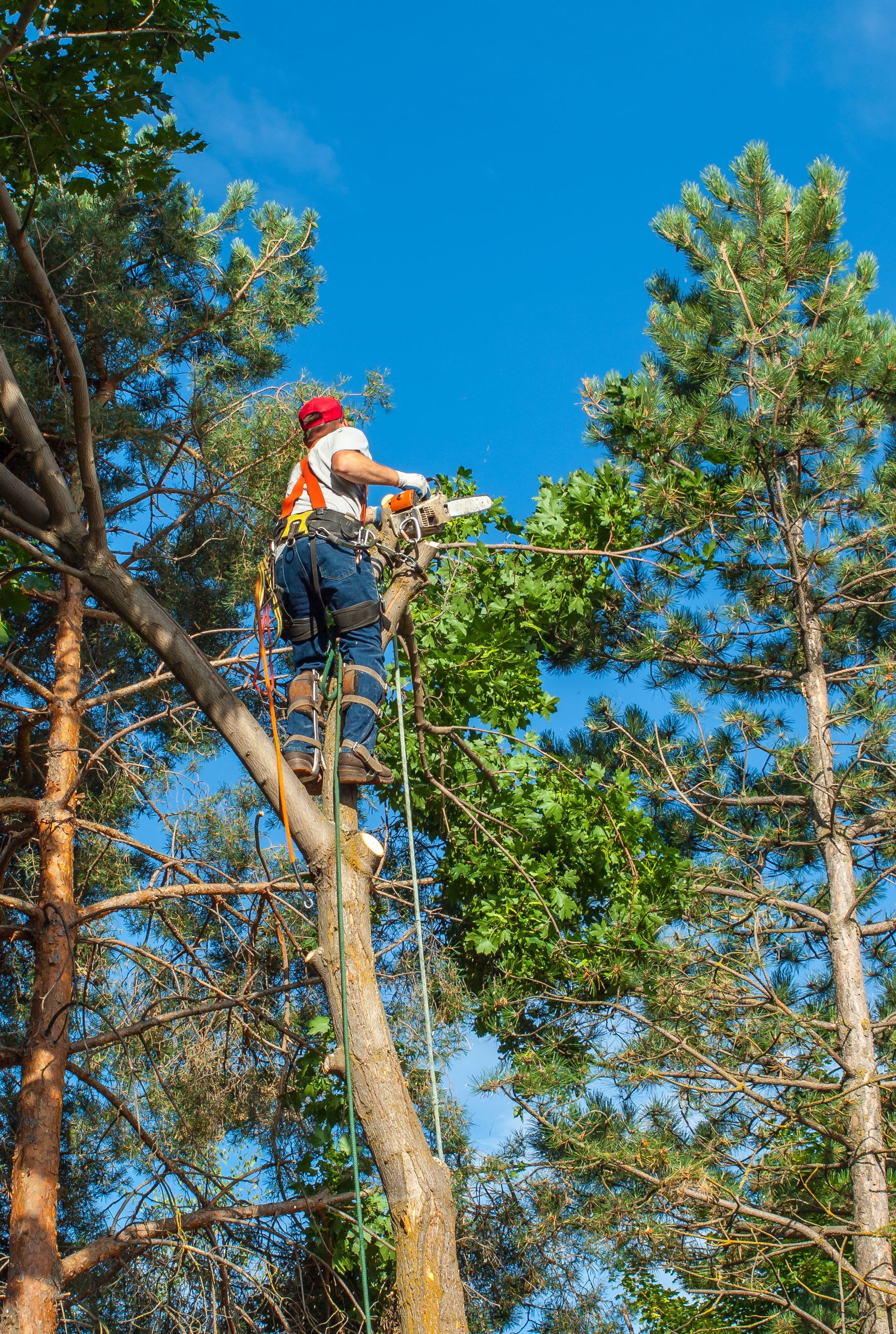
Professional assessment identifies hazardous trees and branches threatening homes, power lines, walkways, or neighboring properties, allowing preventive action before failures cause injuries or damage. Storm damage, disease, and age create instabilities that experts recognize through training and experience that property owners lack despite good intentions and careful observation. Liability concerns make safety particularly important, as property owners bear responsibility for damage that their trees cause to neighbors or passersby when foreseeable hazards go unaddressed. Experienced tree companies use proper equipment and techniques to remove hazardous trees safely, preventing the injuries and property damage that amateur removal attempts frequently cause through improper cutting sequences or inadequate equipment that cannot safely handle large tree removal projects.
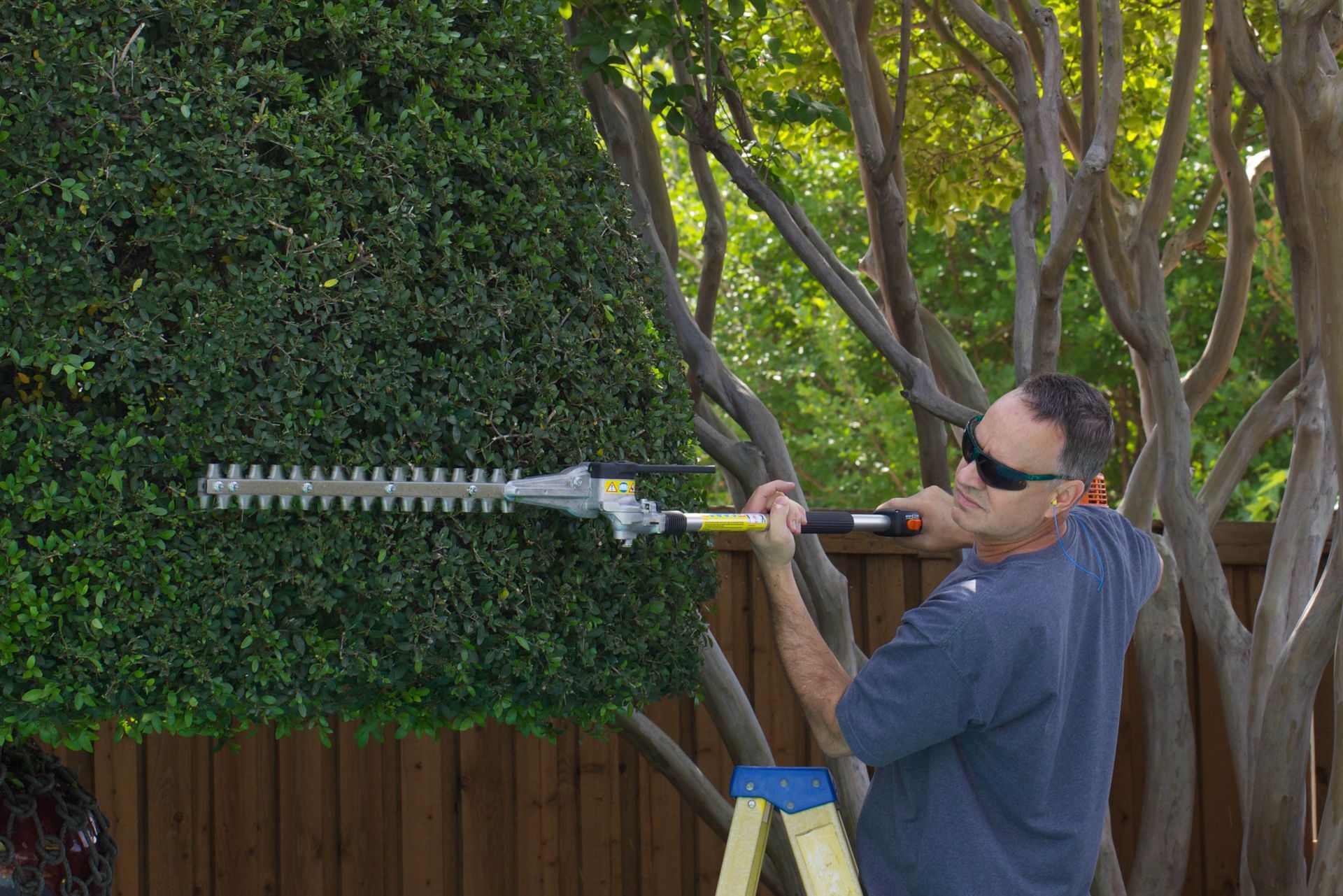
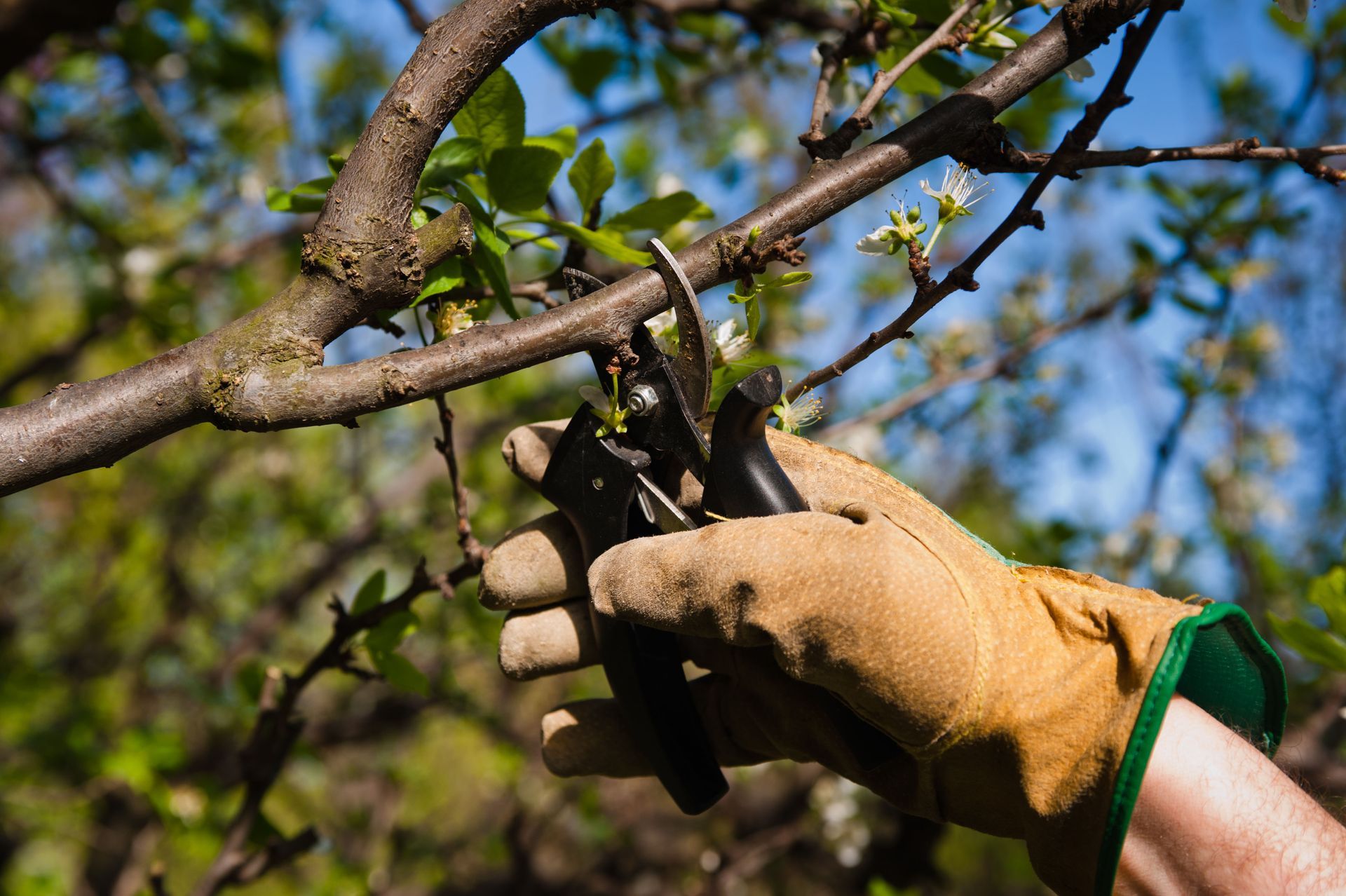
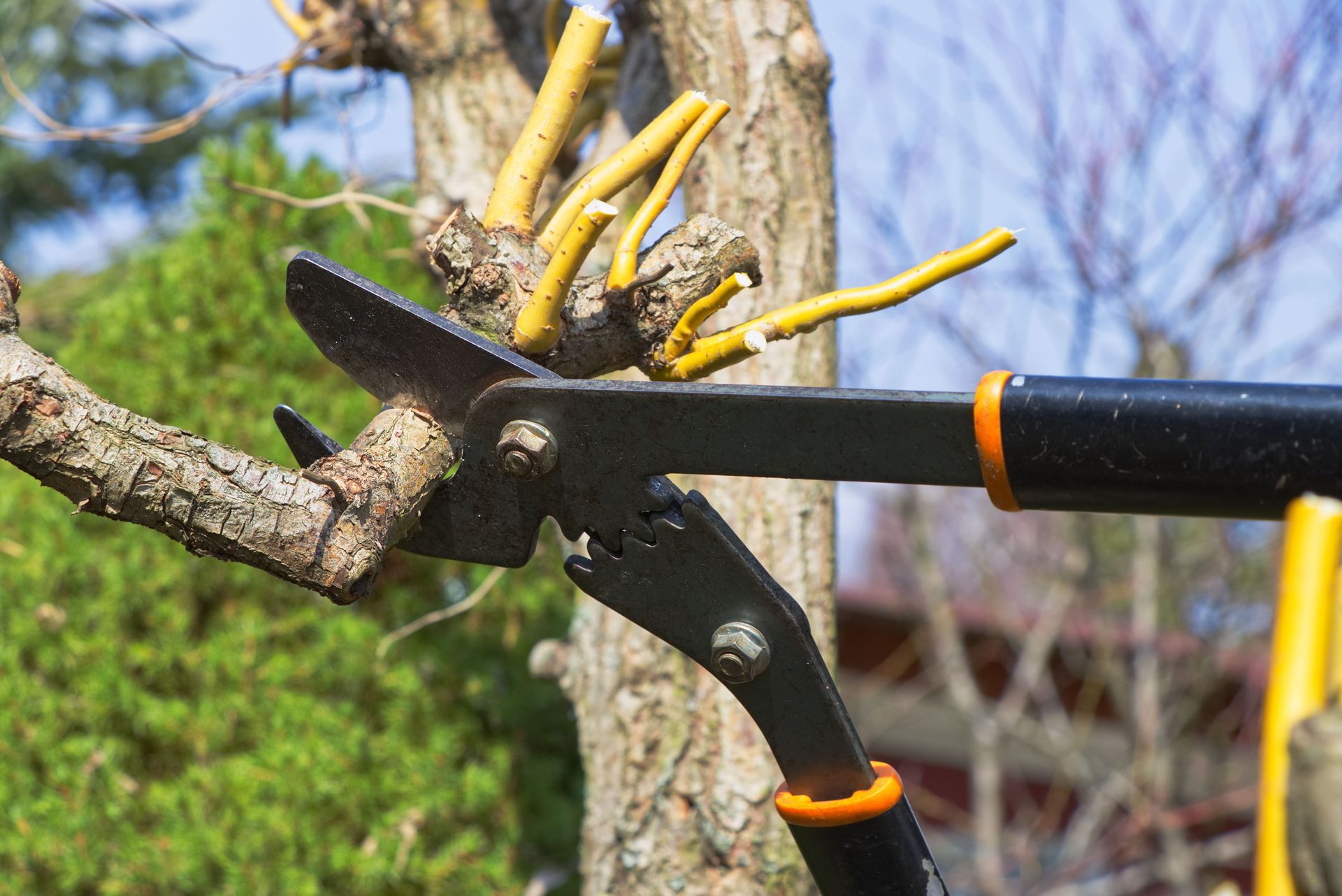
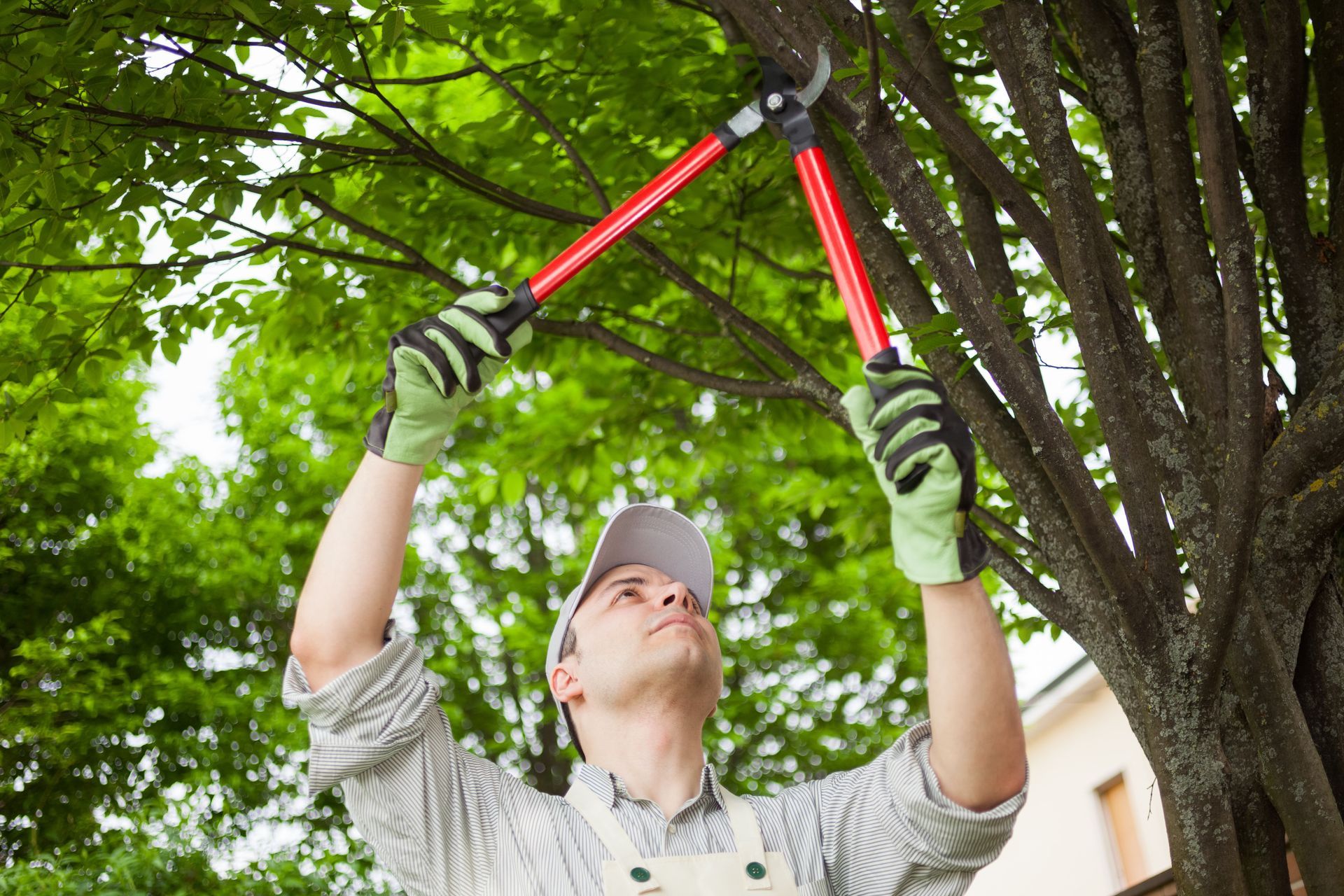
Proper pruning techniques encourage healthy growth patterns, while improper cutting creates wounds that invite disease, decay, and structural weakness that shorten tree lifespans and create future hazards. Professional arborists understand species-specific needs, growth habits, and appropriate trimming timing that varies between trees and affects their response to pruning interventions. Disease and pest diagnosis allows targeted treatment before problems spread throughout trees or to adjacent specimens, preventing the widespread damage that untreated issues create through continued infestation. The expertise that qualified tree companies bring ensures trees receive care promoting vigor and longevity, rather than the harm that well-intentioned but uninformed treatment often causes through improper timing, excessive removal, or techniques that damage trees despite appearing successful to untrained observers.
Protecting Trees During Construction and Development
Construction activities damage trees through root compaction, grade changes, and physical impacts that may not become obvious until years later, when stressed trees decline or die from accumulated damage. Professional guidance during planning phases identifies trees worth preserving and establishes protection zones preventing the construction damage that kills valuable specimens despite survival during actual building activities. Root systems extend far beyond visible canopies, and protecting critical root zones requires knowledge that tree companies provide through assessment and protective measure recommendations. Post-construction care helps trees recover from unavoidable stress, improving survival rates and maintaining the mature landscapes that property values and aesthetic appeal depend on, rather than losing established trees that construction activities damaged despite attempts at protection.
Early detection and treatment of tree diseases and pest infestations prevent spread to other trees while often saving affected specimens that would die without timely professional intervention. Accurate diagnosis proves essential, as different problems require specific treatments, and misidentification leads to ineffective or harmful interventions that worsen conditions rather than solving them. Professional treatment application ensures appropriate products, timing, and methods that maximize effectiveness while minimizing environmental impact and risks to people, pets, and beneficial organisms. The specialized knowledge that experts bring to disease and pest management saves trees and prevents the landscape losses that untreated or improperly treated problems create when issues spread unchecked or when amateur treatment attempts fail to address actual causes despite appearing to target obvious symptoms.
Reducing Long-Term Maintenance Costs
Regular professional care prevents the major problems that create expensive emergencies requiring urgent intervention at premium costs during inconvenient times like storms or holidays. Proper initial pruning establishes good structure, reducing future maintenance needs and preventing the corrective work that poorly formed trees require throughout their lives. Healthy trees require less intervention than declining specimens demanding repeated treatment, removal, and replacement that proper care would have prevented through maintained vigor. The accumulated savings from prevented emergencies, reduced treatment needs, and avoided replacements often exceed routine maintenance costs, making professional care from qualified tree companies economically sensible when evaluating total long-term expenses rather than just immediate service fees that may seem expensive without considering the alternatives that neglect creates through progressive deterioration and eventual failures.
Professionals advise on appropriate species selection for specific locations, preventing the problems that result from planting trees unsuited to site conditions, available space, or proximity to structures and utilities. Mature size predictions help avoid future conflicts with buildings, power lines, or hardscape that seemed adequately distant when small trees were planted without considering their eventual dimensions. Planting technique guidance ensures proper depth, backfill, and initial care that establishes healthy root systems supporting vigorous growth rather than the struggles that improper installation creates. The planning assistance that tree companies provide prevents decades of problems and expenses that poor initial decisions create when inappropriate trees are planted in the wrong locations or installed improperly, despite surviving initial establishment and appearing healthy during early years before problems develop.
The comprehensive long-term benefits that professional tree services deliver justify costs through preventing damage, enhancing property values, ensuring safety, improving tree health, and preserving environmental contributions that trees provide throughout their lifespans. Understanding these advantages helps property owners recognize that expert care represents an essential investment rather than an optional expense that budget constraints might eliminate. The accumulated benefits over years and decades of proper maintenance far exceed service costs when considering all factors that professional care affects beyond just immediate tree appearance or obvious hazards requiring attention. Whether you need tree removal, tree risk assessments, or tree trimming, Dillon Tree Service provides free estimates, employs certified arborists, and offers same-day emergency service. For more information, contact us today!
Share On: